
Summary
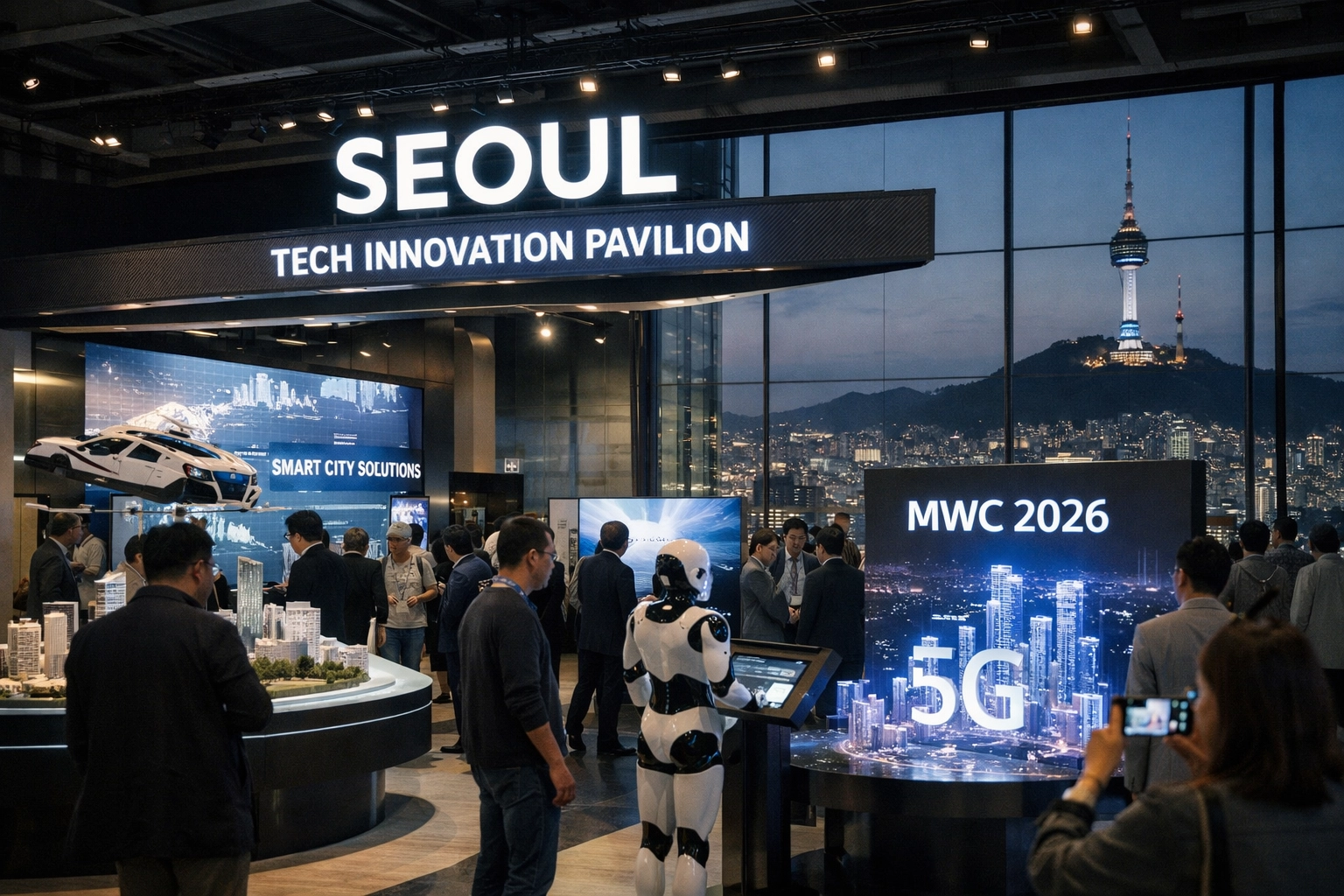
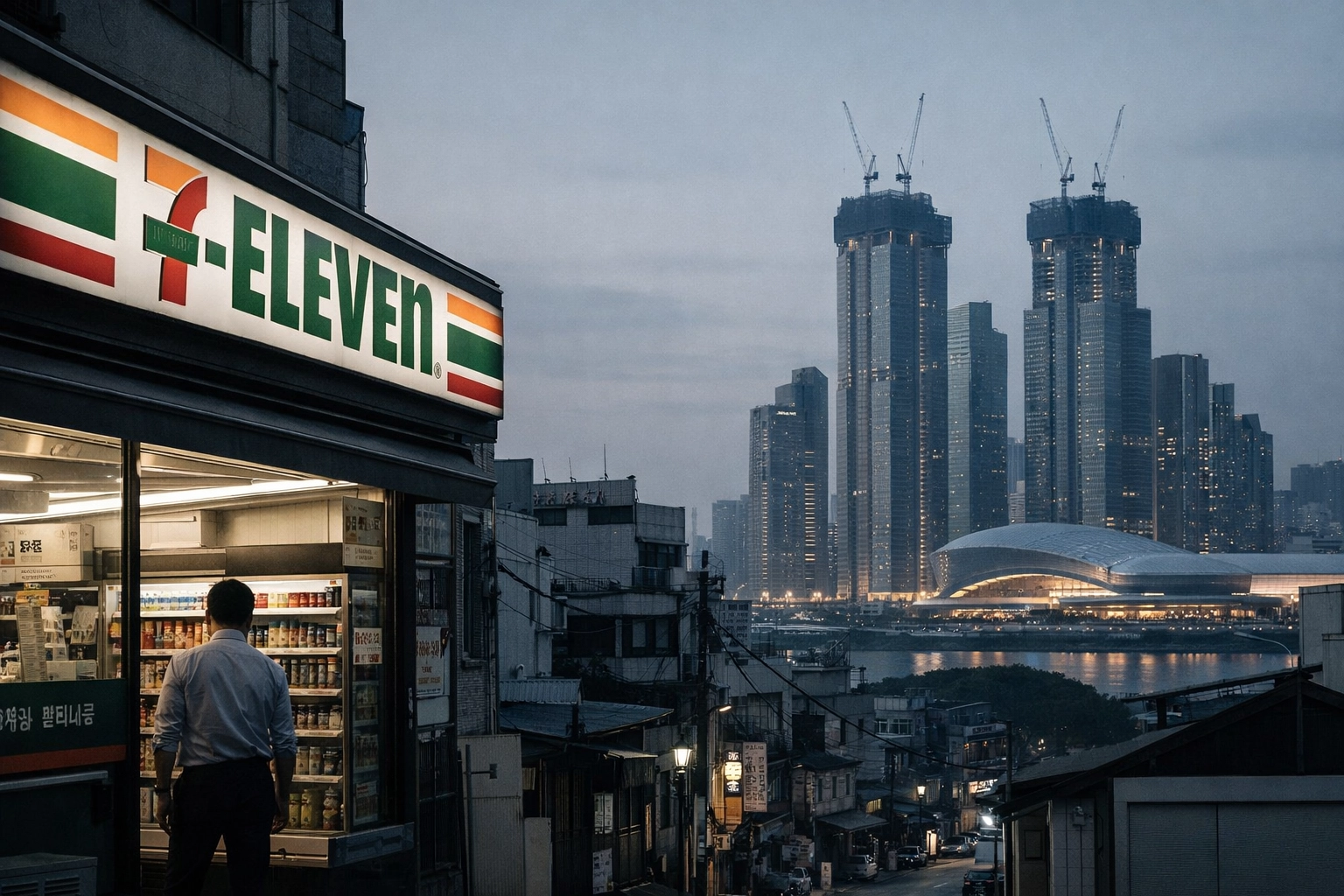
As domestic markets reach saturation, the Republic of Korea has committed $44 million to a high-stakes "Digital Silk Road" initiative. This strategic pivot focuses on dismantling the barriers between Seoul’s manufacturing hubs and the doorsteps of consumers in New York and Tokyo. By integrating logistics, payment gateways, and localized fulfillment centers, the initiative seeks to transition K-consumer goods from a cultural trend into a permanent global market fixture.
Excerpt
The era of passive export is over. Korea’s new $44M investment represents a fundamental shift in the geometry of global trade: a move that replaces traditional wholesale intermediaries with a direct-to-consumer digital infrastructure designed for the 2026 economy.
The global retail landscape in early 2026 is no longer defined by the presence of physical storefronts, but by the velocity of the supply chain. In a decisive move to secure its position in this high-speed reality, the Korean government and private sector consortiums have unveiled a $44 million strategic blueprint. This is not merely a subsidy for small businesses, but a comprehensive re-engineering of the cross-border e-commerce value chain—now increasingly framed inside Seoul’s wider “K-Silk Road initiative” posture that The Korea Times has linked to Korea’s Central Asia digital cooperation track.
For decades, Korean exports relied on the "container ship" model: bulk shipments sent to overseas distributors who managed local sell-through. Today, that model is being disrupted by a "pixel-to-parcel" strategy. The $44 million initiative, colloquially dubbed the "Digital Silk Road," sits as a consumer-commerce layer within a broader corridor logic: the K-Silk Road initiative, where Korea is treating digital cooperation, supply-chain resilience, and cross-border infrastructure as a single blueprint spanning multiple gateways—from Seoul outward. In practice, it aims to build a frictionless pipeline that connects a boutique skincare brand in Seoul directly to a bathroom cabinet in Manhattan or a wardrobe in Shibuya.
The Architecture of Ambition: Beyond the $44M Figure
While $44 million might seem modest in the context of national budgets, its strategic deployment targets the specific friction points that have historically throttled small-to-medium enterprises (SMEs). The capital is being funneled into three critical pillars: automated fulfillment centers in key global "gateway" cities, the integration of blockchain-backed customs clearing, and the expansion of localized payment architectures.
The strategic intent is clear: to lower the "barrier to entry" for K-consumer goods: specifically beauty, fashion, and functional foods: until the international transaction feels as local as a domestic one. This is about creating a gravitational pull that draws global consumers toward Korean platforms, rather than relying on the whims of third-party marketplaces.
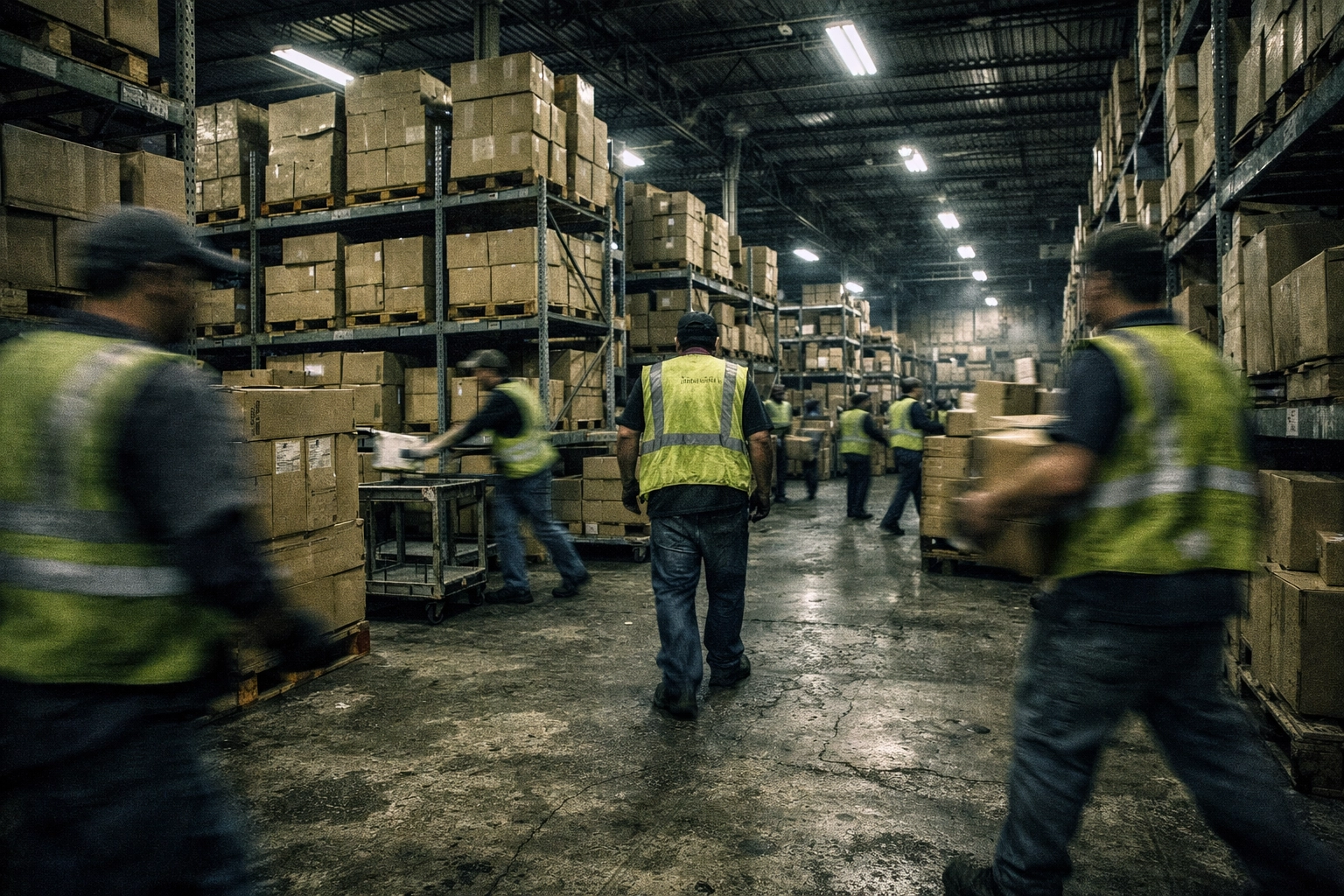
Image Prompt: A wide-angle, documentary-style shot of a bustling, dimly lit logistics fulfillment center at night. The scene is raw and industrial, featuring stacks of unbranded cardboard boxes and a conveyor belt system. The lighting is harsh and fluorescent, with a grainy news-photography texture. No "AI glow" or polished surfaces; the focus is on the gritty reality of 24/7 global trade.
The NYC-Tokyo Axis: Establishing Strategic Hubs
The choice of New York City and Tokyo as the primary anchors for this digital infrastructure is a masterstroke in urban-centric strategy. These cities represent more than just high-density consumer markets; they are the trend-setting "nexus" points that dictate global demand.
In New York, the initiative is funding "micro-fulfillment centers" (MFCs) located in the periphery of the boroughs. These centers allow for same-day or next-day delivery of Korean goods, effectively competing with local US retailers on their own turf. This move mirrors the stabilization seen in the New York and San Francisco tech markets, where logistics efficiency has become the primary differentiator for survival.
In Tokyo, the strategy is more nuanced. Given the proximity and the existing cultural bridge, the focus is on the "North Asia Innovation Bridge." By leveraging the Seoul-Tokyo connection, the initiative is integrating Korean e-commerce platforms with Japanese logistics giants. The result is a seamless cross-border ecosystem where a consumer in Tokyo can order a product from a Seoul-based startup and receive it within 48 hours, bypassing the traditional delays of international shipping.
The Digital Backbone: Logistics Meets FinTech
The $44 million push is not merely about physical warehouses; it is about the "digital infrastructure" that governs them. A significant portion of the investment is earmarked for the development of a unified cross-border payment gateway. This system aims to eliminate the currency exchange friction that often leads to cart abandonment in international transactions.
This development aligns with broader regional trends, such as Singapore’s upgrading of its trade framework for 2026. By synchronizing customs data with payment verification, Korea is building a "trust layer" that ensures products are cleared by local authorities before the plane even touches down.

Image Prompt: A close-up, grainy photograph of a handheld digital scanner used in a shipping port. The screen shows a complex manifest of data in Korean and English. The background is a blurred, raw image of shipping containers under a grey, overcast sky. The style is that of an investigative news report, emphasizing the technical and bureaucratic reality of trade.
From Cultural Export to Economic Dominance
The "K-Wave" was the cultural precursor; the "Digital Silk Road" is the economic endgame. For the past decade, Korean soft power: music, film, and television: created a global appetite for Korean lifestyles. However, the logistical difficulty of acquiring the specific products associated with that lifestyle remained a bottleneck.
The current initiative solves the "accessibility gap." By establishing a presence in cities like Mexico City and Toronto, the Korean government is ensuring that K-consumer goods are not just available, but affordable. The density of intellectual exchange between these global hubs is being replaced: or rather, augmented: by the density of physical goods exchange.
Not merely a trade policy, but a strategic shift, this initiative recognizes that in 2026, the brand of a country is tied directly to the reliability of its delivery. If a consumer in London or São Paulo knows that a Korean product will arrive faster and in better condition than a local alternative, the battle for market share is already won.
The Disruptive Power of Data
At the heart of this $44M push is a massive data-collection apparatus. By controlling the logistics and payment rails, the Korean government and its partners will have unprecedented access to global consumer behavior data. They will know what a 22-year-old in Brooklyn is buying before the local retailers do.
This data-driven approach allows for "predictive shipping." Imagine a scenario where containers of specific skincare products are shipped to New York warehouses before the orders are even placed, based on predictive analytics and social media trends. This level of foresight is only possible through the kind of large-scale infrastructure investment we are seeing today.

Image Prompt: A street-level, documentary-style shot of a small, authentic retail shop in a busy urban area like New York’s Koreatown or Tokyo’s Harajuku. The shop looks functional rather than flashy, with boxes being unloaded from a delivery van in the foreground. The image is slightly underexposed, with a raw, handheld camera feel. It captures the intersection of digital trade and physical city life.
Challenges to the Blueprint
The road to dominance is not without its hurdles. Geopolitical tensions and the rise of protectionist trade policies in some Western markets could pose significant threats to the Digital Silk Road. Furthermore, the reliance on a few key hubs like NYC and Tokyo creates a "single point of failure" risk.
However, the analytical perspective suggests that Korea is diversifying its bets. Investments in MICE hubs and AI-driven data centers provide the technological and networking foundation needed to pivot if a specific trade route is blocked. The "Digital Silk Road" is a fluid model, designed to adapt to the shifting sands of 21st-century commerce.

Image Prompt: A high-angle, news-style photograph of a cargo ship docked at a modern terminal. The image is sharp but retains a natural grain, with the cold, blue hues of a misty morning. The focus is on the repetitive, geometric pattern of the containers, symbolizing the scale of the "Digital Silk Road" initiative. No artificial lighting or hyper-realism.
The 2026 Outlook: A New Competitive Landscape
As we move through 2026, the success of Korea’s $44M push will be measured not in immediate ROI, but in the permanent shift of consumer habits. If the "Digital Silk Road" succeeds, it will set a new blueprint for how mid-sized nations can compete with economic superpowers. It’s a move away from the "factory of the world" model and toward the "fulfillment center of the world" model.
The question for global business leaders is no longer whether they will compete with Korean products, but whether they can match the infrastructure that brings those products to market. The "Digital Silk Road" is a bridge, and Korea has already crossed it.
Is your organization prepared for a world where "international" trade happens with the speed and cost of a local delivery? The architecture of global commerce is being rewritten in Seoul. Are you part of the new blueprint, or an artifact of the old one?
For more updates on global trade and strategic infrastructure, visit our homepage.