Category: News, Americas
Tags: New York, Tech
Excerpt: As 2026 unfolds, the U.S. tech and financial anchors are charting a course of calculated resilience. While San Francisco leans into aggressive M&A and AI dominance, New York is refining its talent pool to favor high-level AI integration over traditional entry-level growth.
The opening week of March 2026 has provided a definitive answer to a question that has loomed over the American tech corridors for two years: is the stabilization we are seeing a temporary plateau or the construction of a new foundation?
The data suggests the latter. In New York and San Francisco, the narrative of "recovery" is being replaced by a more aggressive story of "redefinition." These two cities, often viewed as competing poles of the American economic axis, are currently moving in a synchronized, albeit divergent, rhythm. While San Francisco is doubling down on its identity as the world’s AI laboratory, New York is executing a massive, structural pivot toward a more efficient, AI-integrated financial and tech ecosystem.
This is not a return to the pre-2023 status quo. It is the emergence of a leaner, more intentional market where growth is measured not by headcount, but by the strategic density of talent and compute power.
The San Francisco Sentiment: Aggression over Caution
In San Francisco, the air of cautious optimism that defined 2025 has evaporated, replaced by a level of confidence that feels almost pre-pandemic. A staggering 93% of business leaders in the city express total confidence in the region's growth potential for the remainder of 2026. This isn't just sentiment; it is capital in motion.
The city remains the undisputed gravity well for artificial intelligence, currently capturing over 50% of all global AI funding. This concentration of wealth has created a specific type of civic momentum. It’s not just about the startups; it’s about the infrastructure supporting them. The recent Super Bowl hosted in the region acted as a high-visibility stress test for the city’s civic infrastructure, signaling to the world that San Francisco is ready to host the next generation of global industry.
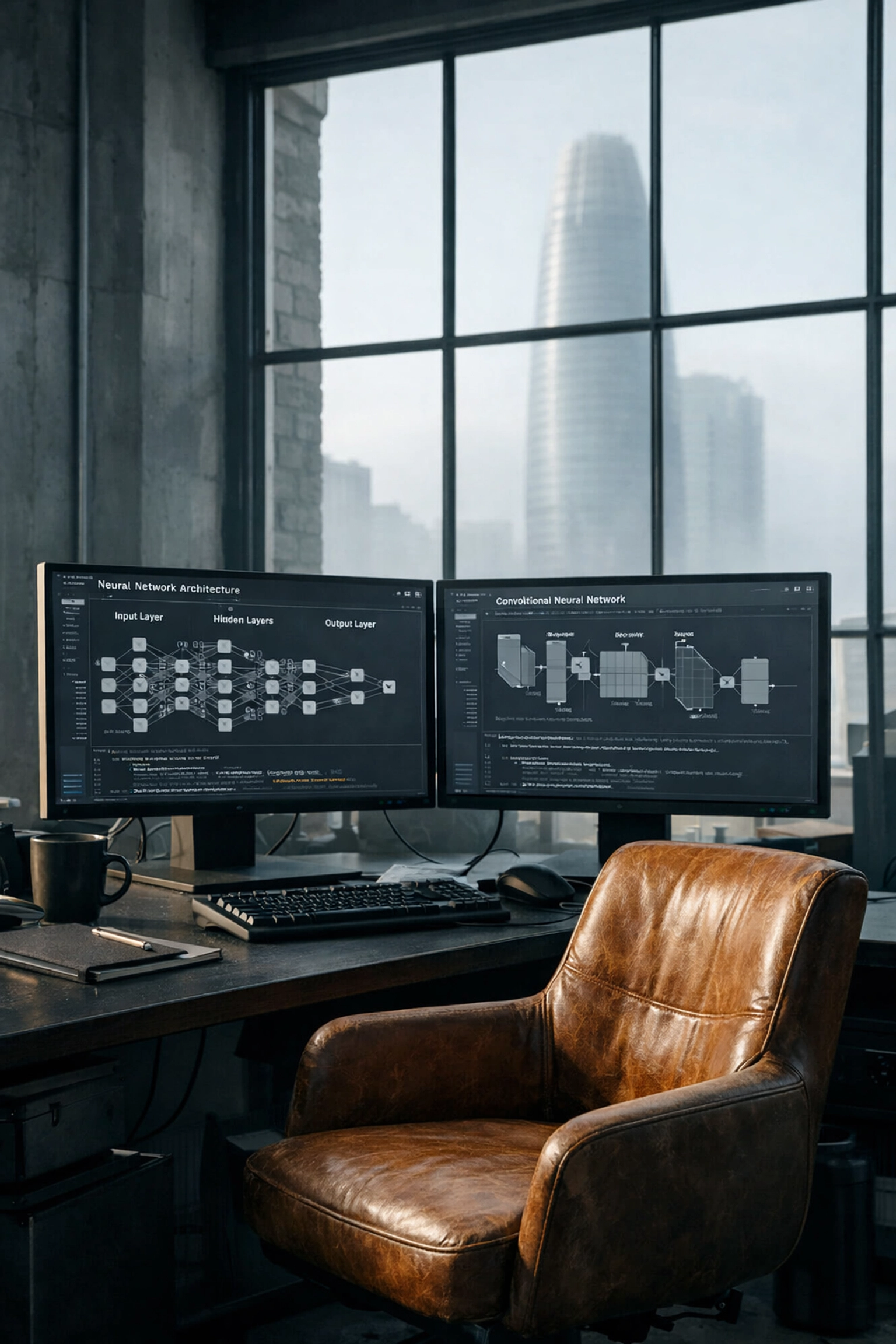
Photo: San Francisco Chamber of Commerce / Data visualization of M&A trends 2026
But the real story in San Francisco is the shift toward acquisitions. Nearly half of the city’s business leaders have indicated they will pursue acquisitions in the first half of this year. We are seeing a "consolidation of the brilliant": where established firms are not just buying market share, but are aggressively vacuuming up specialized AI talent to fortify their moats. When a machine learning engineer in the Bay Area is commanding an average salary of $210,462, the "buy vs. build" talent equation shifts heavily toward the former.
New York’s Selective Resilience
Three thousand miles to the east, New York is presenting a different, more complex picture of stabilization. On the surface, the numbers look bruising: the city has seen a loss of nearly 5,000 businesses over the past twelve months. In any other era, this would be read as a crisis. In 2026, it is being read as a culling of the old to make room for the new.
Despite the loss of legacy storefronts and mid-market firms, 66% of New York executives intend to boost hiring throughout the year. However, this hiring is surgical. It is not a broad-based call for talent, but a highly specific search for the architects of the automated economy.
The New York market is currently the primary laboratory for a phenomenon we call "The Selective Engine." While 86% of surveyed firms are prioritizing talent with deep AI expertise, 57% are simultaneously reducing their entry-level roles. The logic is clinical: why hire a junior analyst for a role that a fine-tuned LLM can execute in seconds? New York is not just hiring; it is upgrading its human operating system.
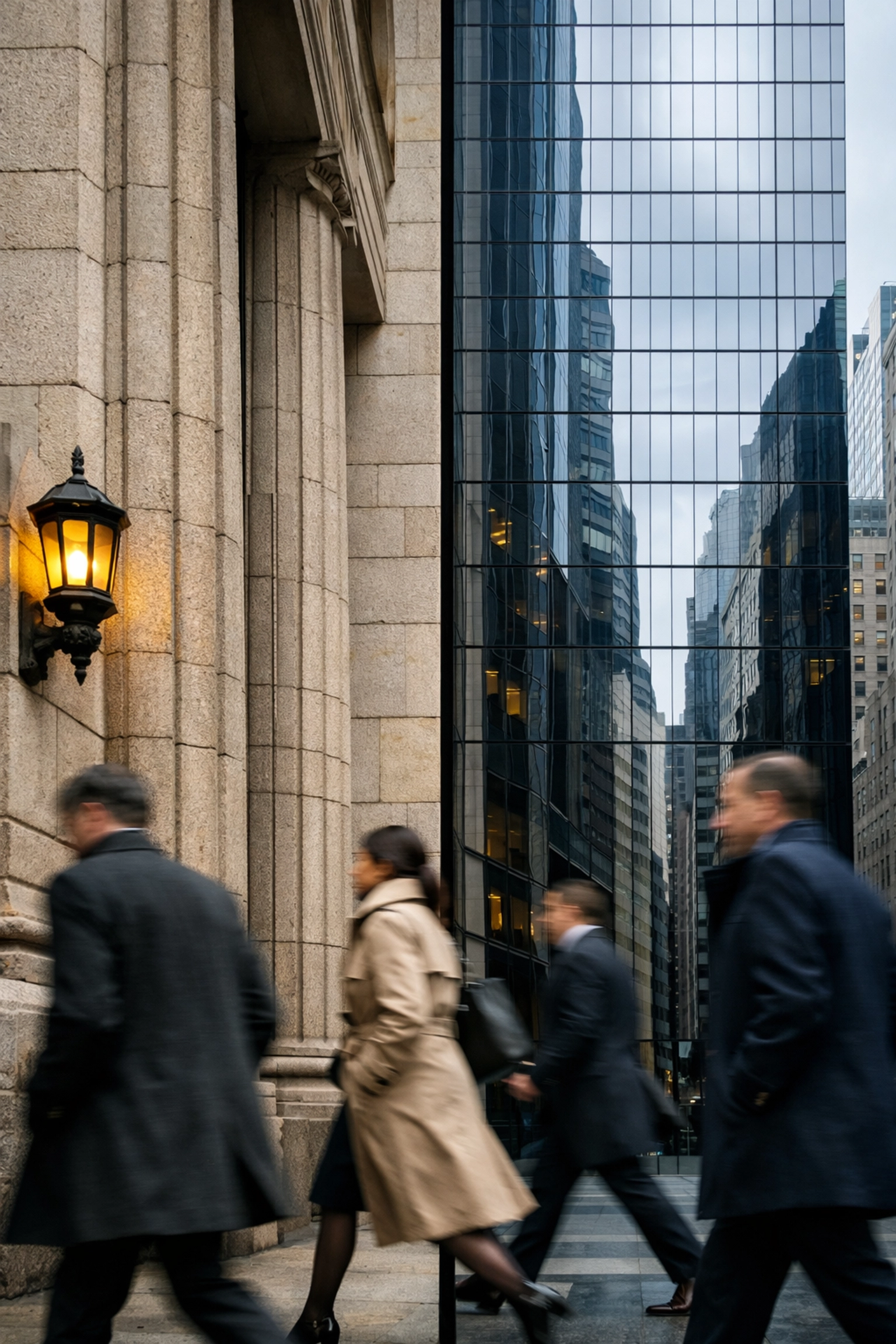
Photo: NYC Department of City Planning / Financial District high-tech office expansion
This shift has profound implications for global human mobility. As the entry-level floor in Manhattan rises, the barriers to entry for international talent become steeper but more lucrative. The city is no longer looking for "hands"; it is looking for "minds" who can manage the machines. For those navigating this transition, our Rainmaker Program has seen an uptick in demand for connecting these high-tier specialists with the firms that are currently clearing the path for them.
The AI Filter: From Buzzword to Infrastructure
Across both cities, AI has ceased to be a "sector" and has become the primary driver of the market pulse. It is the "bridge" between the current stabilization and future expansion.
In San Francisco, AI is the product. In New York, AI is the process.
This distinction is critical for anyone looking to enter these markets. If you are building in the Bay Area, you are likely part of the 20,000+ tech startups trying to define the next frontier of generative logic. If you are operating in New York, you are likely using that logic to redefine how capital moves through the global system.
The stabilization we see in early March is the result of these two forces reaching a point of equilibrium. The private payroll growth seen in both hubs indicates that the "wait and see" period of 2024 and 2025 is officially over. The capital is no longer sitting on the sidelines; it is being deployed into high-conviction hires and strategic acquisitions.
The Human Element in a Stabilized Market
What does this mean for the professional moving between these worlds?
It means that the "Standard Script" of moving to a tech hub to "find a way in" is dead. The current market does not reward exploration; it rewards expertise. This is why we have focused so heavily on Global Human Mobility. The structural barriers: visas, residency, and work authorizations: are the final hurdles in a market that is otherwise ready to explode.
When we look at the concept case studies of firms successfully navigating the SF-NY corridor in 2026, the common thread is not their technology, but their ability to move their best people to the right node at the right time. The "dots" are connecting faster than the legal frameworks can keep up with.
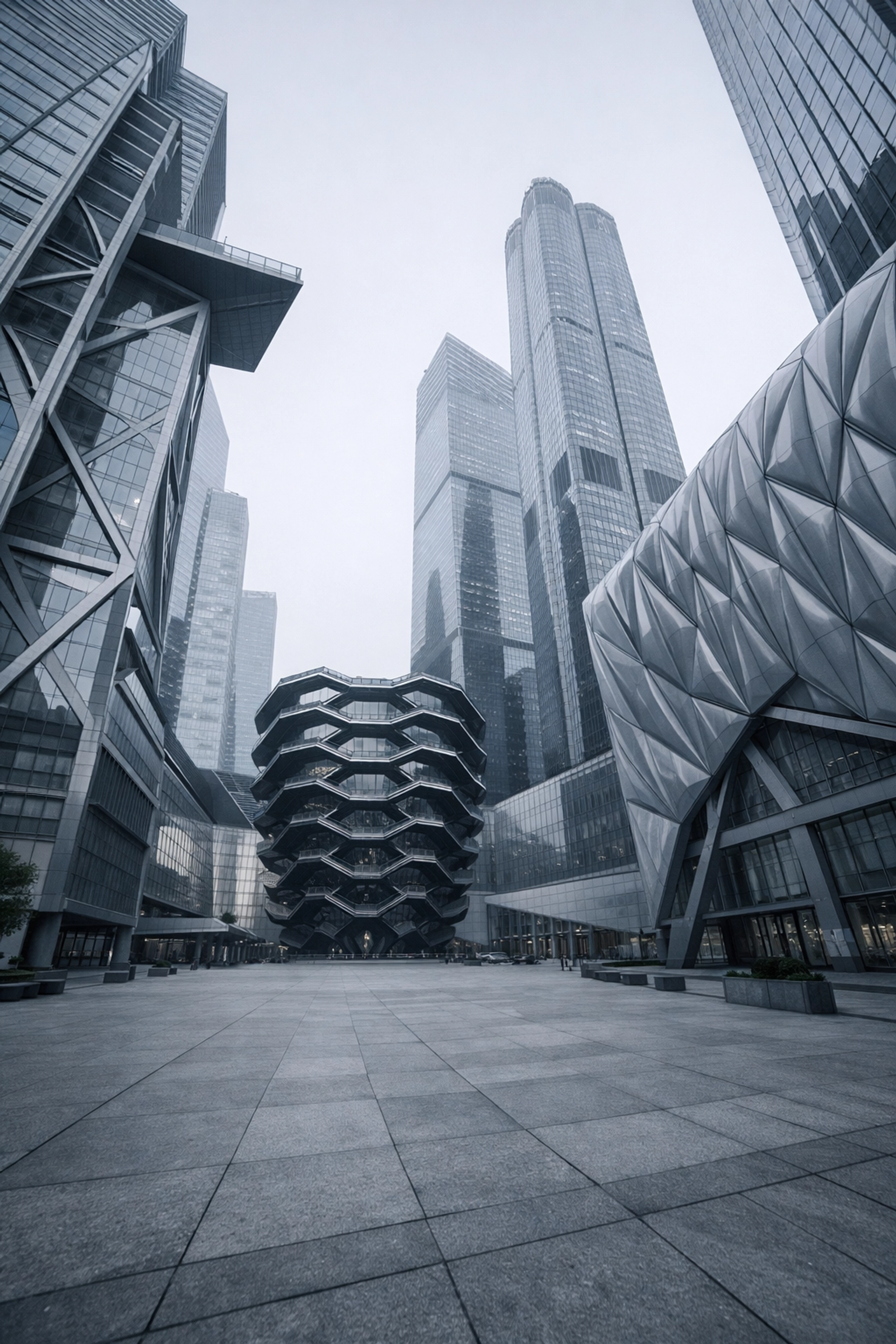
Photo: bcdW Magazine / Modern workspace convergence in Hudson Yards
The View from the Bridge
A stabilized market is not a static one. The growth we are seeing in New York and San Francisco this March is a signal to the rest of the world: particularly the rising hubs in Asia: that the U.S. anchors have found their footing.
The question is no longer whether these markets will recover. The question is how the rest of the global ecosystem will respond to a U.S. tech sector that is now more efficient, more AI-heavy, and more consolidated than ever before.
As we continue our test voyage into the complexities of the 2026 economy, we are watching these signals closely. The resilience of the American hubs provides a benchmark for the "Local-to-Local" connections we facilitate. If New York and San Francisco have stabilized, the path is clear for the next wave of cross-continental expansion.
The cities have made their move. Now, the deals follow.
Source: Bloomberg News