Summary: The Venti’s strategic entry into Amman, Jordan, represents more than a regional franchise expansion; it is a sophisticated case study in high-density retail localization and the strengthening of the Seoul-Middle East innovation bridge. By leveraging Jordan as a cultural and operational testbed, SNC Sein is recalibrating the "K-Coffee" value chain for a global audience, moving beyond digital exports into physical urban anchors.
Excerpt: As the "Hallyu" wave transitions from screen-based consumption to physical retail presence, The Venti’s opening in Amman’s 7th Circle marks a pivotal shift in international market entry. This analytical deep-dive explores how a high-volume Korean model is adapting to the nuanced social fabric of the Levant, setting a new blueprint for cross-border consumer brand scaling in 2026.
Source: The Korea Times — “Low-cost coffee chain The Venti opens 1st outlet in Middle East” (Feb. 3, 2026): https://m.koreatimes.co.kr/business/companies/20260203/low-cost-coffee-chain-the-venti-opens-1st-outlet-in-middle-east.
The arrival of The Venti in Amman, Jordan, in early 2026 is not merely a tactical expansion of a Korean coffee franchise; it is a strategic repositioning of Seoul’s retail ecosystem within the Middle Eastern theater. For years, the global narrative of "K-Culture" was dominated by digital media and skincare. Today, we are witnessing a transition into the physical "third space": the urban coffee house: where the density of intellectual exchange meets the commercial precision of the Korean service economy.
By selecting Amman as its regional gateway, SNC Sein, the parent company of The Venti, has signaled a move away from the saturated "trophy markets" of Dubai or Riyadh in favor of a territory with deep intellectual capital and a burgeoning youth demographic. This is a calculated bet on human mobility and the gravitational pull of K-brands in a region traditionally dominated by either legacy Italian espresso models or hyper-traditional Levantine coffee culture.
The Architecture of Localization: Fluid Entry Models
In the 20th century, international market entry was defined by rigid standardization: the "McDonaldization" of the globe. In contrast, 21st-century market leaders like The Venti employ a fluid model. Of the eleven menu items planned for the Jordan market, seven were specifically localized before the doors even opened at the 7th Circle location.
This is not merely about changing ingredients; it is about architectural alignment with local palates. The inclusion of "Bungeoppang" (Korean fish-shaped pastries) alongside the "Seoul Latte" creates a hybrid experience. It provides the "exotic" appeal of the Seoul lifestyle while grounding the experience in the familiar comfort of high-quality, accessible baked goods.
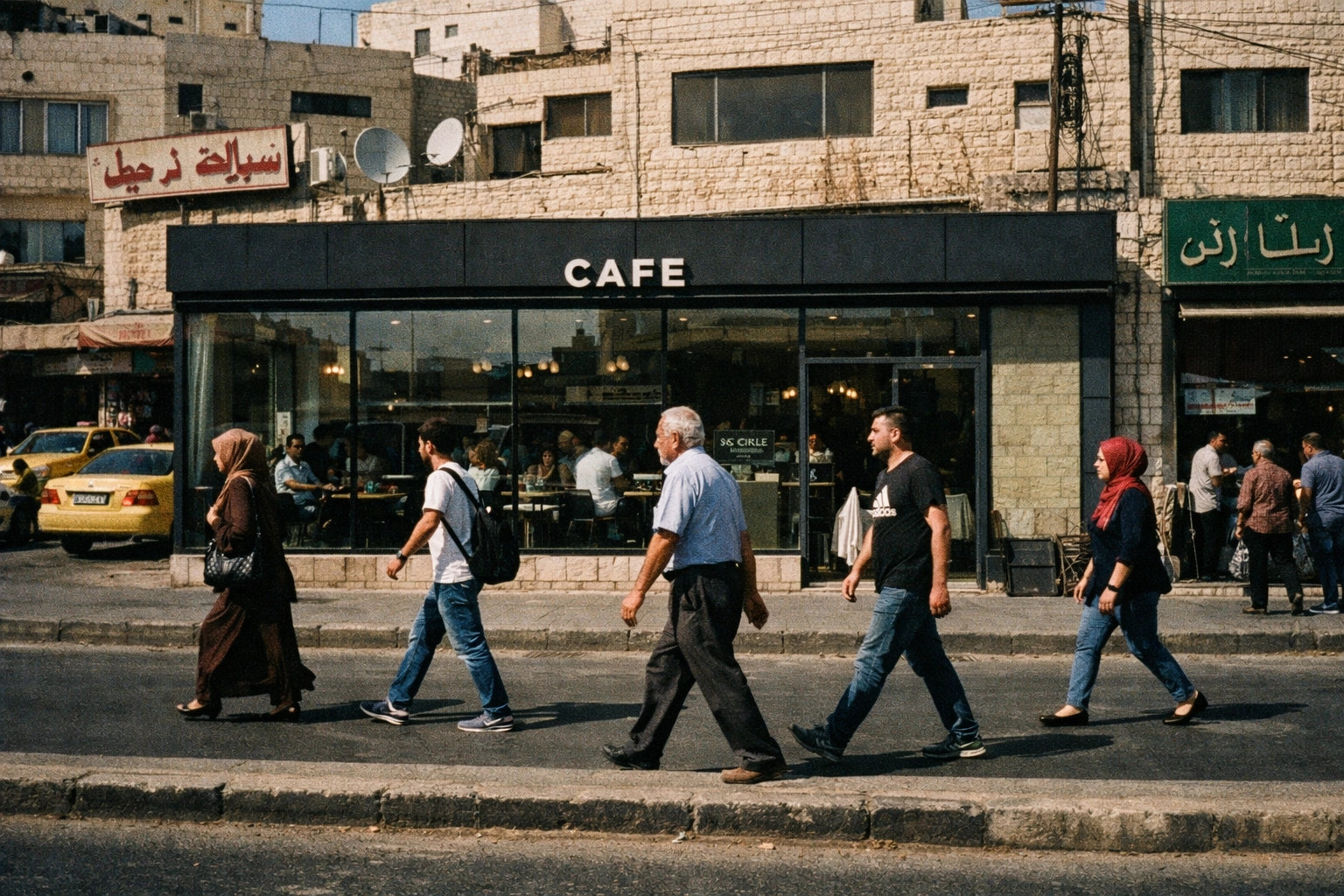
Prompt: A raw, documentary-style photograph of the 7th Circle area in Amman. The lighting is natural and slightly overcast, capturing the dusty reality of the urban streetscape. In the middle ground, the modern, clean lines of The Venti storefront contrast with the older stone buildings of the neighborhood. Grainy texture, high realism, no artificial color boosting.
The Venti’s strategy mirrors the broader trend of Toronto’s global expansion, where local firms scale by embedding themselves into the specific social textures of their target cities rather than imposing a foreign blueprint. By operating daily from 8:00 am to midnight, The Venti isn’t just selling caffeine; it is providing the infrastructure for Amman’s nighttime economy and social discourse.
The Amman-Seoul Nexus: Why Jordan Matters
To the uninitiated, Jordan might seem like a curious choice for a Middle Eastern "anchor." However, from a visionary business perspective, Amman acts as a sophisticated testing ground. It possesses a high level of consumer education and a strategic geographical position that connects the Gulf with the Mediterranean.
The "gravitational pull" of this location is bolstered by its proximity to Safeway, a major commercial hub. This ensures a constant flow of diverse demographics: from tech-savvy students to established professionals. This move represents a "bridge" similar to how Seoul and Tokyo are building North Asia innovation corridors. The Venti is essentially testing the "friction" of its brand against Middle Eastern social norms before scaling into the more complex regulatory environments of the GCC.
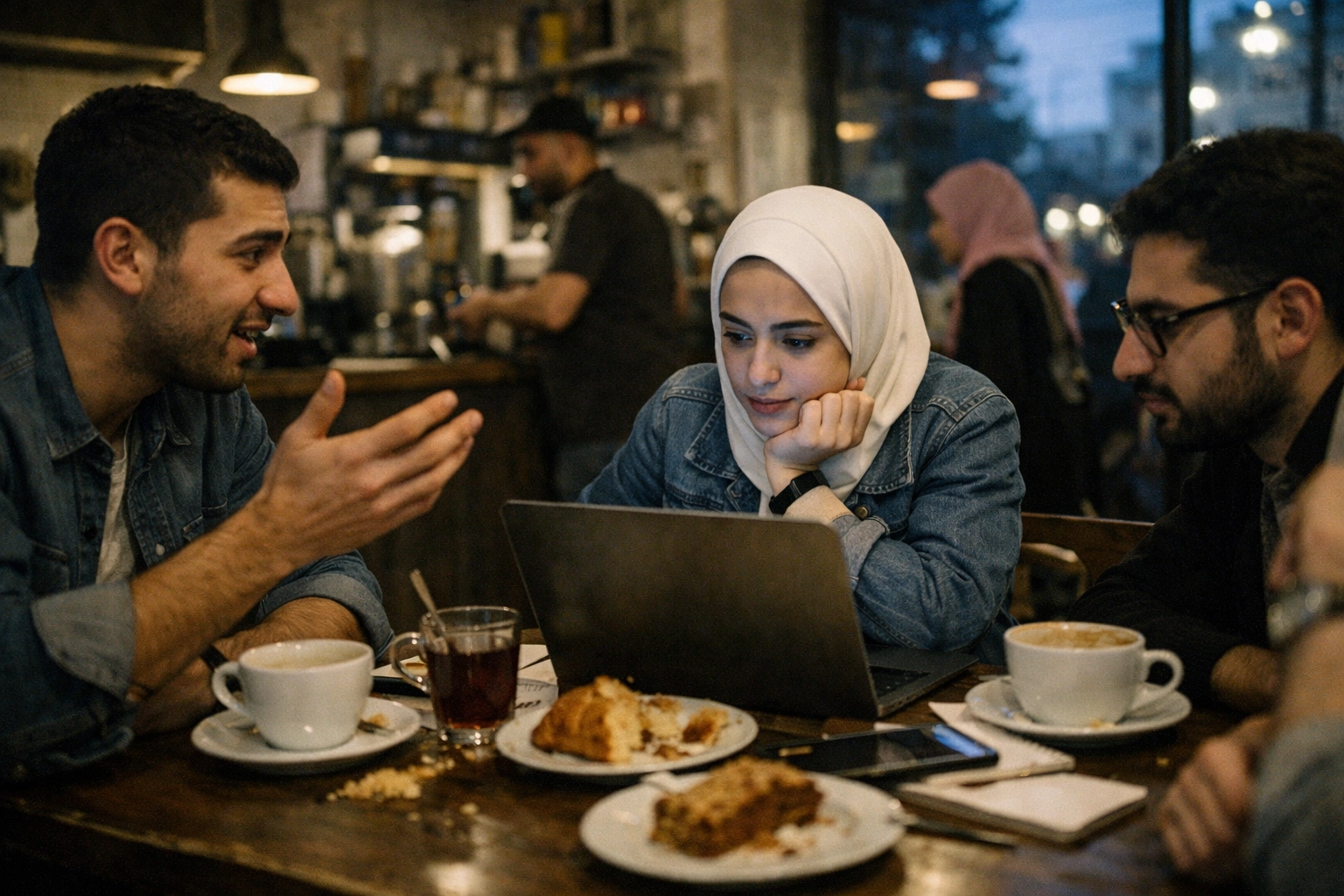
Prompt: A candid, news-style interior shot of the Amman cafe. A group of young Jordanians are seated at a table, some with laptops, others in conversation. A "Seoul Latte" is visible on the table. The image is unposed, with natural interior lighting and a slight motion blur to suggest a busy environment. Documentary aesthetic, high-speed film look.
Scaling the Value Chain: From Amman to Las Vegas
The Amman opening is a precursor to a much larger global shift. SNC Sein has already established a footprint in Canada (with four locations) and Vietnam, but 2026 marks the year of aggressive multi-continental scaling. Later this year, the company plans to enter the U.S. market via Las Vegas: a city currently redefining itself through experience-first innovations.
The trajectory from Seoul to Amman to Las Vegas suggests a sophisticated understanding of "global hubs." Each city serves a purpose:
- Seoul: The R&D and cultural engine.
- Amman: The regional testbed for Middle Eastern and Mediterranean adaptability.
- Las Vegas: The global stage for high-volume, high-visibility consumer engagement.
This is the "blueprint" of a modern multinational. It is not about being everywhere at once; it is about being in the right nexuses at the right time. The Venti is leveraging the same kind of strategic capital flow we see with Starlight Investments connecting Toronto capital to Seoul.
Retail as Digital Infrastructure
In our analytical view at bcd-W News, we view these cafes not just as retail outlets, but as a form of "analog infrastructure" for a digital world. As more work and social interaction moves online, the value of the physical "node" increases. The Venti’s use of high-tech brewing consistency and a streamlined digital ordering system (honed in the hyper-competitive Seoul market) provides a level of operational efficiency that local independent cafes often lack.
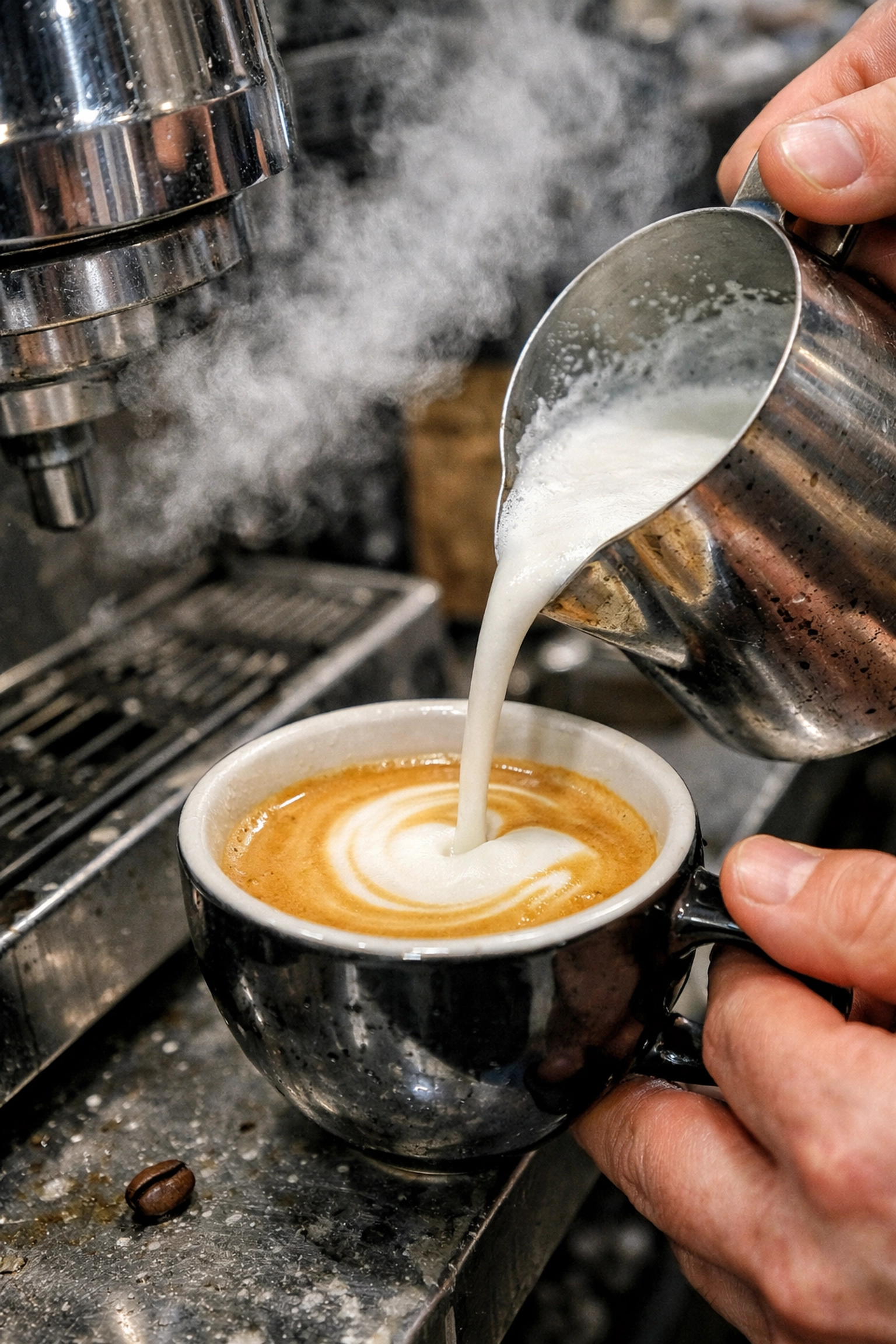
Prompt: Close-up news photography of a barista preparing a drink. The focus is on the precision of the equipment and the steam rising from the cup. The background is a blurred, busy street scene through the window. Raw, authentic lighting, grainy texture, no "marketing" glow.
The Venti’s ~1,600 stores in Korea provide a data-rich foundation that most international entrants can only dream of. They understand the "density of exchange" required to make a small-footprint, high-volume model work. In Amman, where urban density is high but the pace of life can be more deliberate, the challenge is to maintain that "Venti" speed without sacrificing the hospitality expected in the Levant.
The Strategic Shift: Beyond the Cup
We must view this through the lens of city-to-city dynamics. The success of The Venti in Amman will be a primary indicator of how "K-Retail" can navigate the complexities of Islamic finance, local labor laws, and different supply chain logistics. It is a precursor to a larger influx of Korean consumer brands into the region, following the path cleared by electronics and automotive giants.
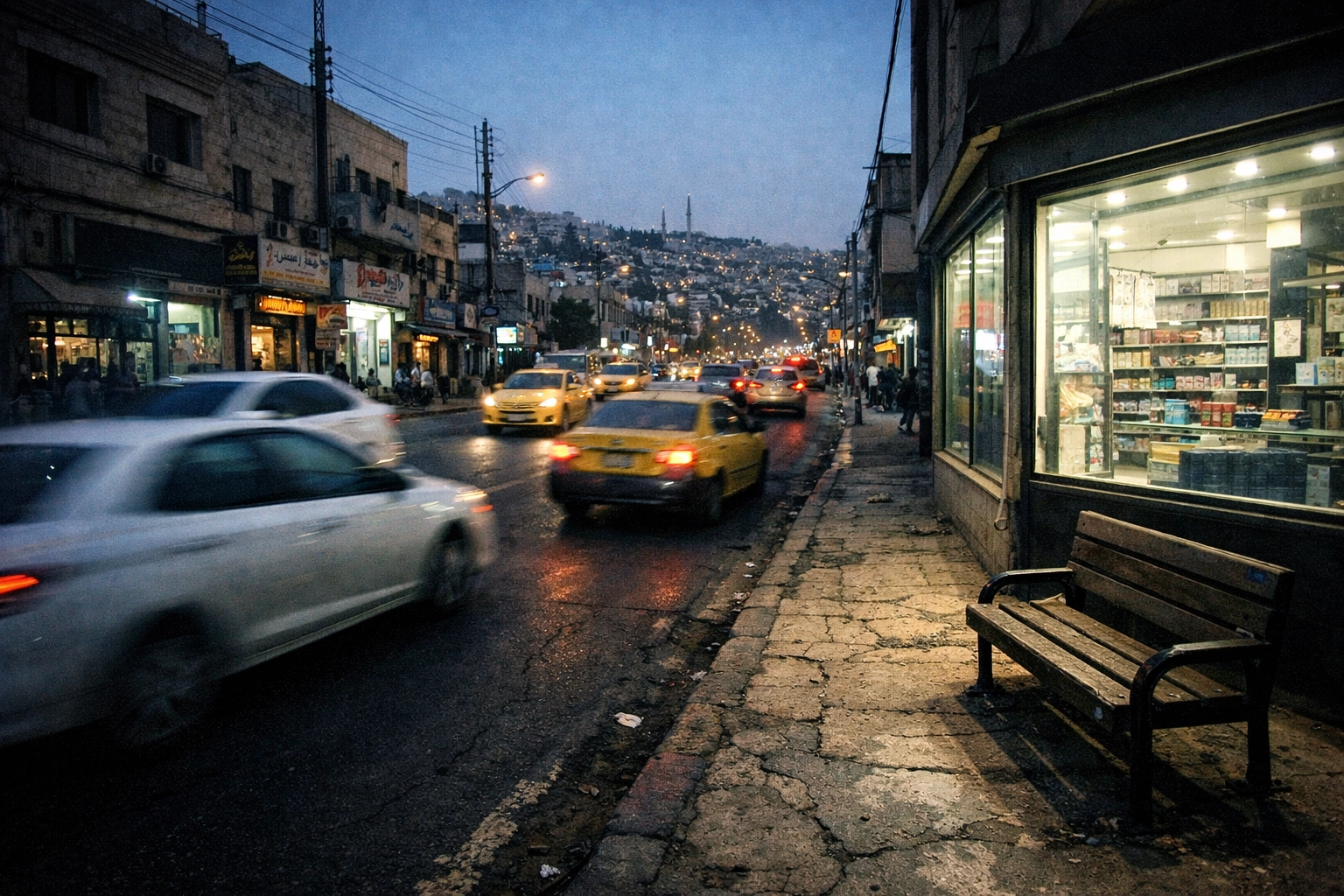
Prompt: A wide-angle street shot of Amman at dusk. The city lights are beginning to twinkle, but the image remains grounded in a news-style realism: some trash on the sidewalk, a passing yellow taxi, and the bright, functional glow of The Venti sign. No filters, high realism.
The Amman-Seoul connection is a testament to the fact that in 2026, geography is secondary to cultural and operational alignment. As Seoul continues to invest billions in its global MICE and innovation hubs, the ripple effects are felt in the streets of Jordan. The coffee cup is merely the vessel; the true product is the exported efficiency of the Korean urban lifestyle.
Organizational Readiness: A Challenge to the Reader
The Venti’s move into Jordan forces a question for every global strategist: Is your brand prepared for the "fluidity" of 21st-century expansion?
Are you stuck in a 20th-century model of "standardization or bust," or are you ready to adapt 70% of your DNA to meet the needs of a new urban nexus? The Seoul-Amman pipeline is open, and it is carrying more than just coffee; it is carrying a new blueprint for global retail.
Does your organization have the analytical depth to identify its own "Amman": the overlooked testbed that could unlock an entire region? The future of international market entry belongs to those who can translate cultural nuances into operational excellence. The Venti has made its move. What is yours?