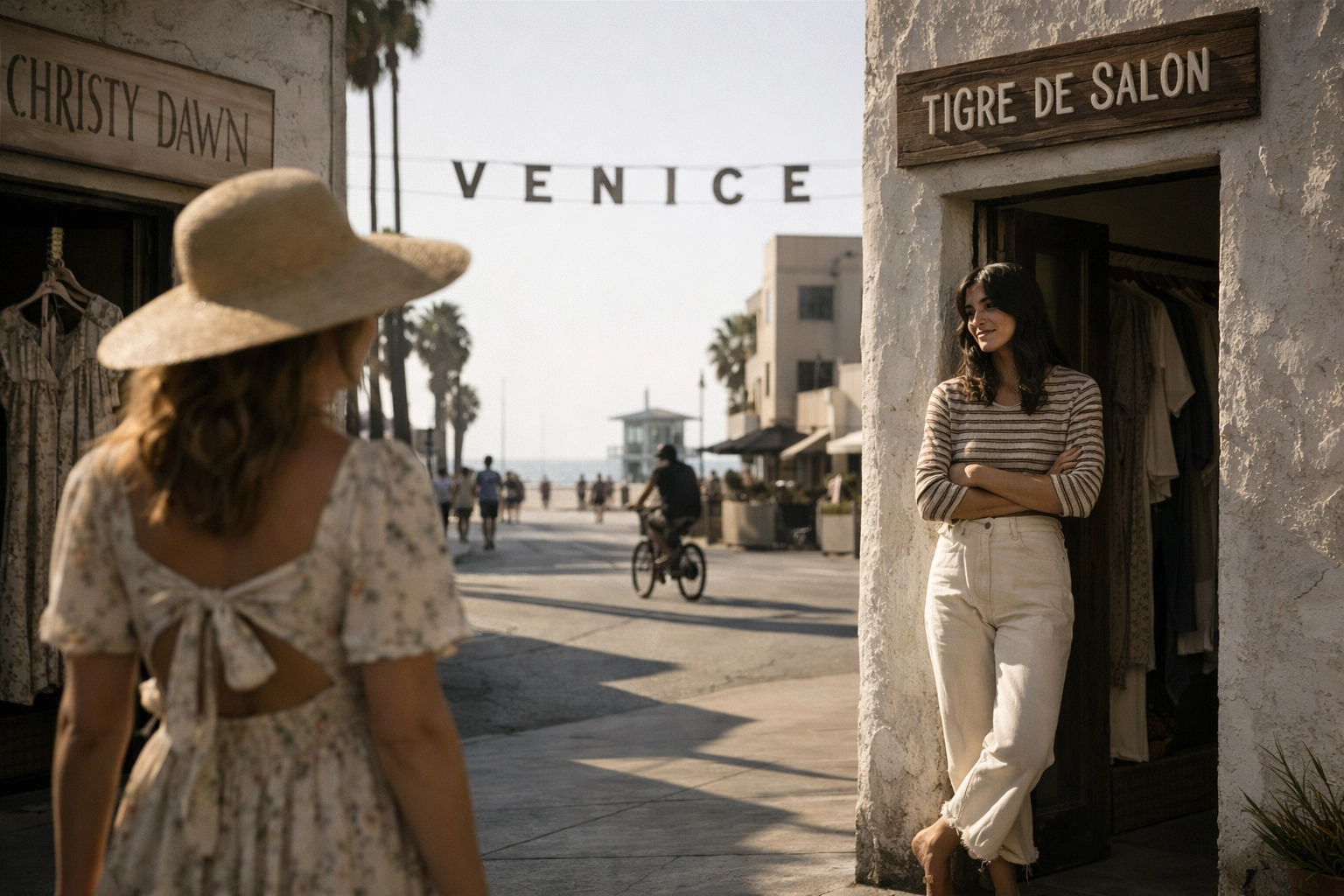
If you’ve ever walked down Abbot Kinney Boulevard during the golden hour, you know the feeling. It’s a specific blend of salt air, high-end bohemianism, and an almost militant commitment to intentional living. Venice Beach isn’t just a zip code; it’s a global aesthetic export. But lately, the "Venice Vibe" has been undergoing a structural renovation. It’s moving away from the superficial "boho-chic" and toward something much more rigorous: a deep, soil-to-skin connection.
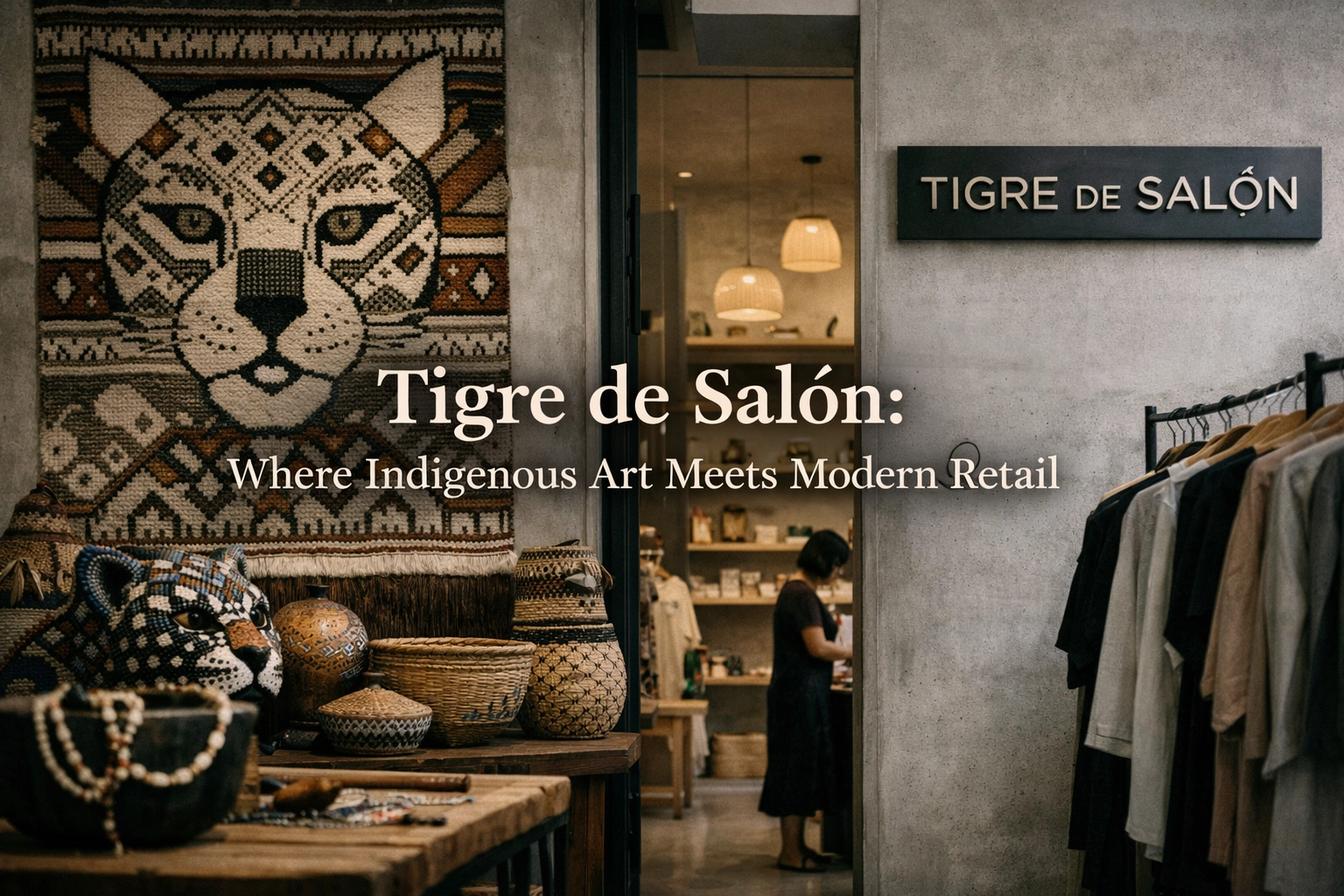
In this landscape, two brands stand out as spiritual: and strategic: siblings. On one side, we have Christy Dawn, the California darling that has redefined what it means to be a "sustainable" brand through its Land Stewardship program. On the other, we have Tigre de Salón, a Medellín-born powerhouse that has mastered the art of elevating Colombian artisanal heritage into a modern, global context.
At first glance, they are separated by 3,500 miles and a vastly different cultural backdrop. But at bcdW, we look for the dots that others miss. These two brands aren’t just selling clothes; they are building a new kind of supply chain that values the "Local-to-Local" connection over the mass-market void.
The Christy Dawn Blueprint: Beyond Sustainability
For years, "sustainability" was the buzzword that meant everything and nothing. Christy Dawn decided that wasn't enough. They realized that to truly fix the fashion industry, you can’t just use "better" fabric; you have to look at the soil. This led to their groundbreaking Land Stewardship program.
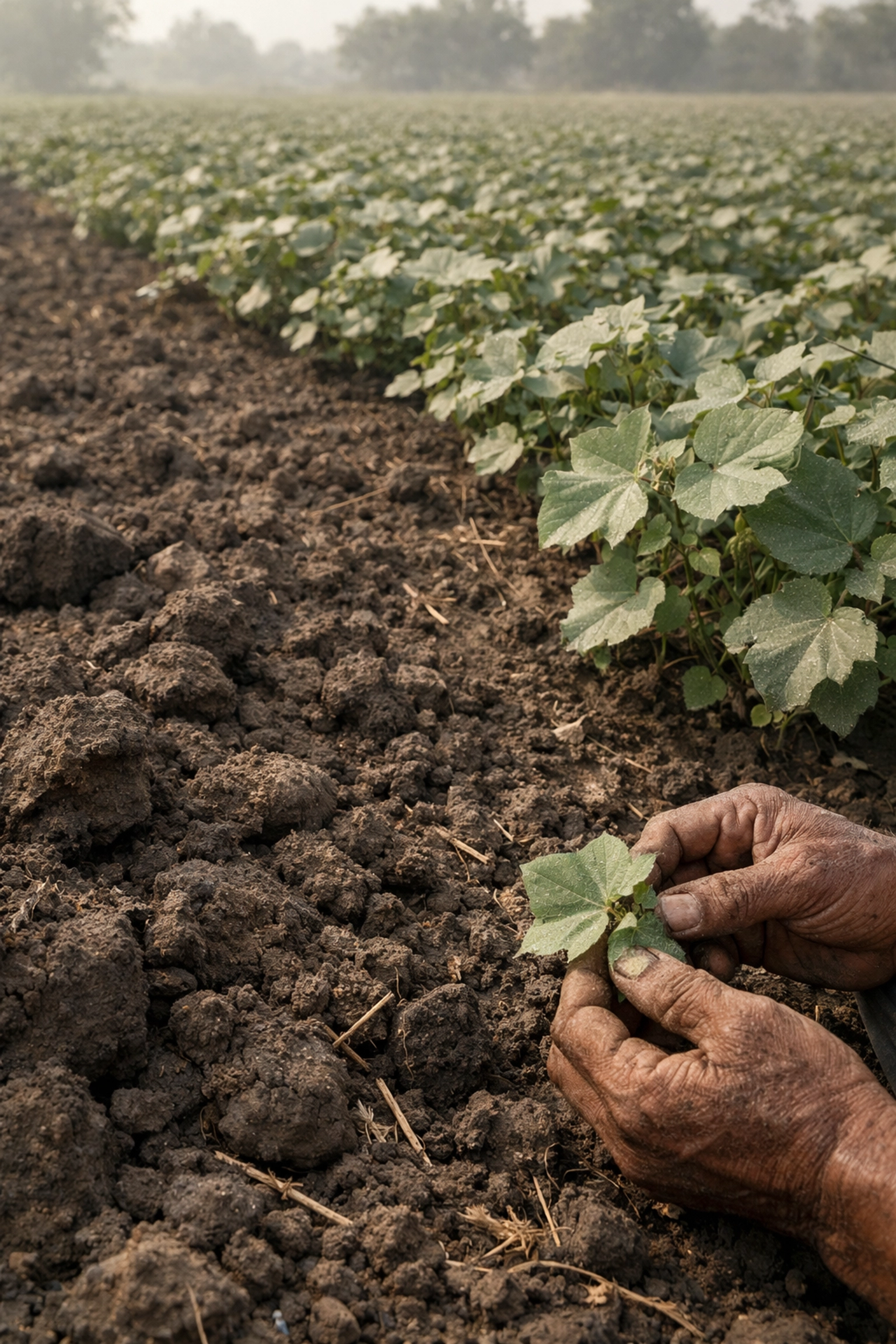
Instead of just buying organic cotton on the open market, Christy Dawn partnered with farmers in Erode, India, to transition 24 acres of depleted land into a regenerative oasis. This isn’t just about avoiding pesticides. It’s about sequestering carbon, increasing biodiversity, and honoring the people who work the land. It’s a "Farm-to-Fashion" model that treats the supply chain as a living ecosystem rather than a line item on a spreadsheet.
But the brand’s origins are even more grounded in the Venice ethos: the use of deadstock fabric. In the early days, Christy and her team would scout the "graveyards" of the fashion industry: warehouses filled with high-quality leftover fabric from larger design houses: and turn them into limited-edition dresses. It was a way to create beauty without adding more waste to the world. It’s an idea that resonates with our philosophy at bcdW: that even a store the size of a room can house an idea that has no limit.
Tigre de Salón: The Soul of Medellín
Across the hemisphere, Tigre de Salón is doing for Colombian heritage what Christy Dawn did for California's regenerative movement. Based in the creative hub of Medellín, Tigre de Salón operates on a principle of radical collaboration. They don’t just "source" from artisans; they co-create with them.
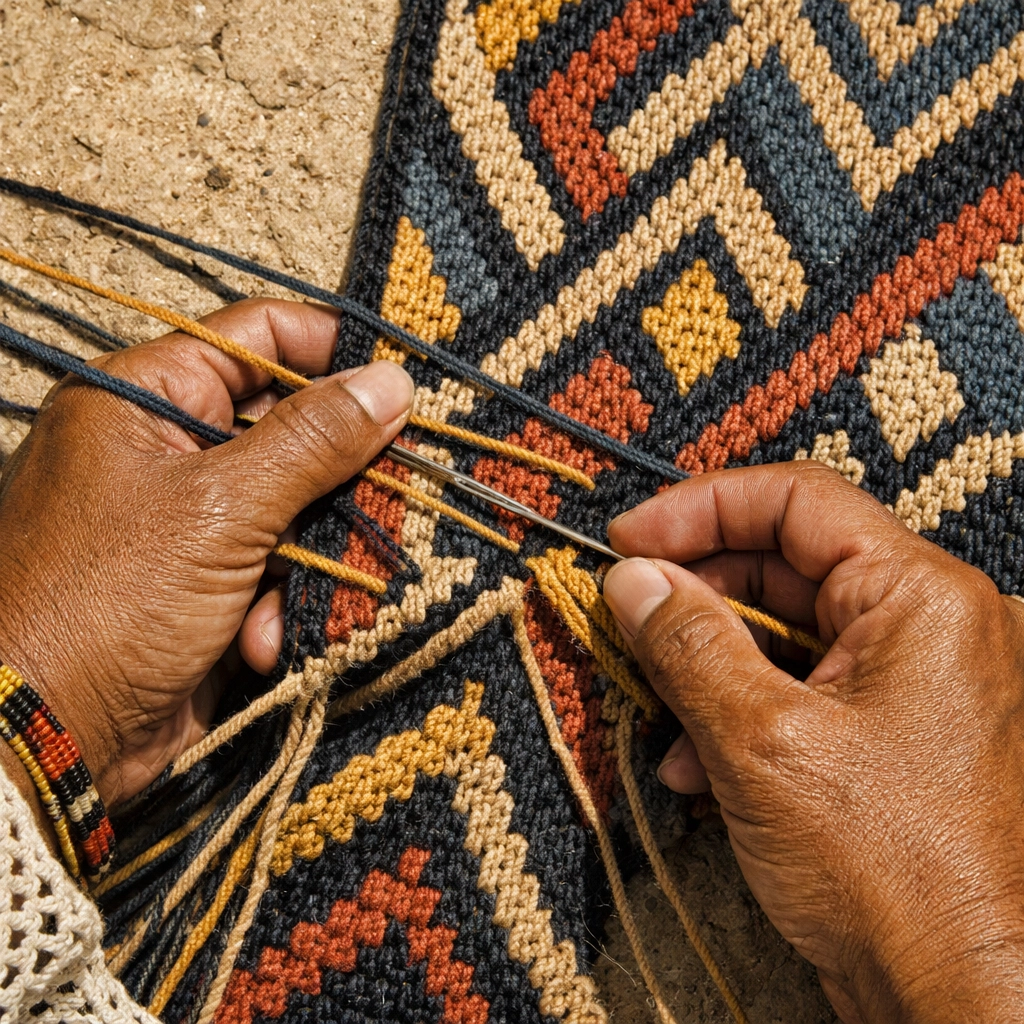
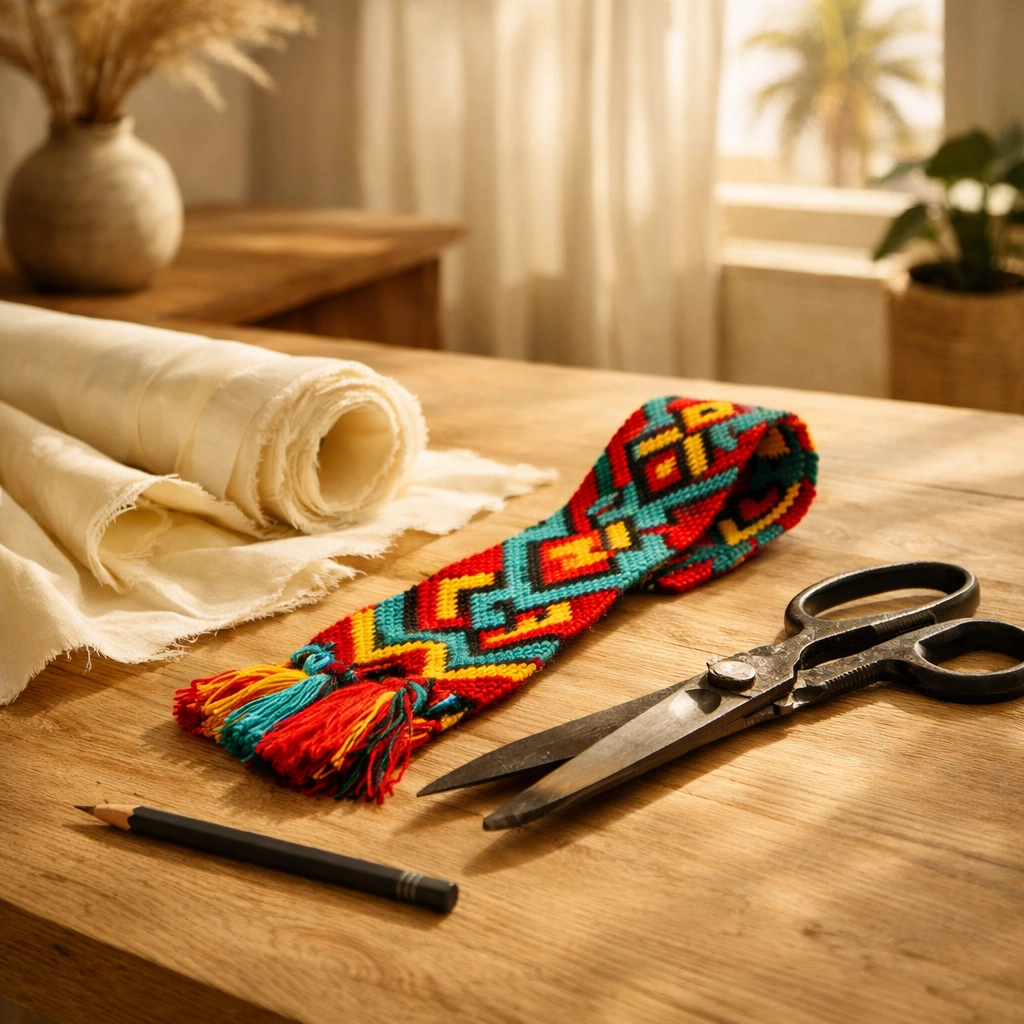
Their most iconic work involves the Wayúu community in La Guajira. The Wayúu are master weavers, famous for their intricate mochilas and geometric patterns that tell stories of their ancestry and the desert landscape. Tigre de Salón takes these traditional hand-weaves and integrates them into contemporary footwear and accessories. The result is a product that feels both ancient and incredibly current.
Like Christy Dawn, Tigre de Salón is obsessed with provenance. They understand that in a world of fast fashion, the "story" is the only thing that can’t be replicated by an algorithm. They are part of a growing movement of brands that treat their artisans as partners in a global business, not just manual labor. This is the essence of what we explore in the bcdW Concept & Case studies: the moment where a local craft becomes a global strategic asset.
Why They Are Style Siblings
The connection between Christy Dawn and Tigre de Salón isn't just about a shared love for linen and earth tones. It’s about a shared rejection of the "Global North to Global South" extraction model.
- Regenerative Thinking: Christy Dawn regenerates the soil; Tigre de Salón regenerates the cultural capital of artisanal communities. Both brands are focused on leaving their respective "ecosystems" better than they found them.
- Scarcity as a Virtue: Because they use deadstock or hand-woven materials, their collections are naturally limited. This creates a "slow fashion" momentum that stands in stark contrast to the relentless cycle of trend-driven consumption.
- The Venice Bridge: Venice Beach serves as the perfect aesthetic meeting ground for these two. It’s a place that appreciates the craftsmanship of a Wayúu weave just as much as it respects the carbon-sequestration story of regenerative cotton.
The "Concept Case": When Deadstock Meets Handweave
Imagine a capsule collection where these two worlds finally collide. This is the kind of creative synergy we advocate for at bcdW.
Picture this: A classic Christy Dawn wrap dress, cut from high-quality deadstock silk found in a Los Angeles warehouse. But instead of a standard fabric tie, the dress features a hand-woven Wayúu belt, crafted by artisans in La Guajira under the guidance of Tigre de Salón.
Or consider a footwear collaboration: A minimalist sandal made from Christy Dawn’s regeneratively grown cotton canvas, accented with Tigre de Salón’s signature hand-braided leather work.
This isn't just a "collab" for the sake of marketing. It’s a strategic alignment of two brands that are solving the same problem from different angles. It’s a bridge between the regenerative agriculture of India, the artisanal heritage of Colombia, and the conscious consumerism of California.
Scaling the Un-Scalable
The biggest critique of brands like Christy Dawn and Tigre de Salón is often that their models don't "scale." But perhaps the point isn't to scale the brand until it becomes another faceless conglomerate. The point is to scale the methodology.
At bcdW, we believe that the future of business isn't in bigger companies, but in more connected ones. The Digital Bridge we talk about in our consulting work is exactly this: connecting the virtual expertise of a brand strategist in Seoul with the master weaver in Bogotá and the regenerative farmer in Erode.
By keeping production "Local-to-Local," these brands maintain a level of quality and soul that mass production can never touch. They aren't trying to sell to everyone; they are trying to sell to someone who cares where their clothes come from. This niche, high-trust relationship is the most stable foundation for a 21st-century business.
The View from the Bridge
As we look at the trajectory of global fashion, the "Venice Beach Vibe" is becoming more than just a look. It’s becoming a standard for how brands should behave. It’s a demand for transparency, a respect for the maker, and an understanding that our aesthetic choices have ecological consequences.
Christy Dawn and Tigre de Salón are leading this charge. They are showing us that you can build a successful, professional business without losing your soul: or your connection to the earth. They are siblings in style, but more importantly, they are partners in a new economic reality.
Whether you are looking for a market entry strategy or just a better way to dress, the lesson is the same: look for the dots. Look for the stories. And always, always value the hand-made over the machine-manufactured.

The next time you see a Christy Dawn dress or a pair of Tigre de Salón sandals, don't just see a product. See the bridge. See the soil in India, the loom in Colombia, and the creative spirit of Venice Beach that brings them all together. This is what it means to be a part of the bcdW world: seeing the connection that others miss, and building something beautiful in the space between.