Excerpt: A prominent former Google AI researcher has chosen Tokyo over Silicon Valley to launch a groundbreaking robotics startup, signaling a major shift in the global tech hierarchy. This move highlights Tokyo’s emergence as the premier laboratory for the convergence of advanced software and precision hardware.
Silicon Valley has a software problem, and the solution is currently being built in a quiet laboratory in Minato-ku, Tokyo.
For the last decade, the narrative of artificial intelligence has been confined to the screen. We have optimized pixels, refined large language models (LLMs), and automated digital workflows. But the physical world: the world of atoms, friction, and kinetic energy: has remained stubbornly analog. That changed this week when a lead researcher from Google’s DeepMind division announced the launch of a new venture headquartered in Tokyo.
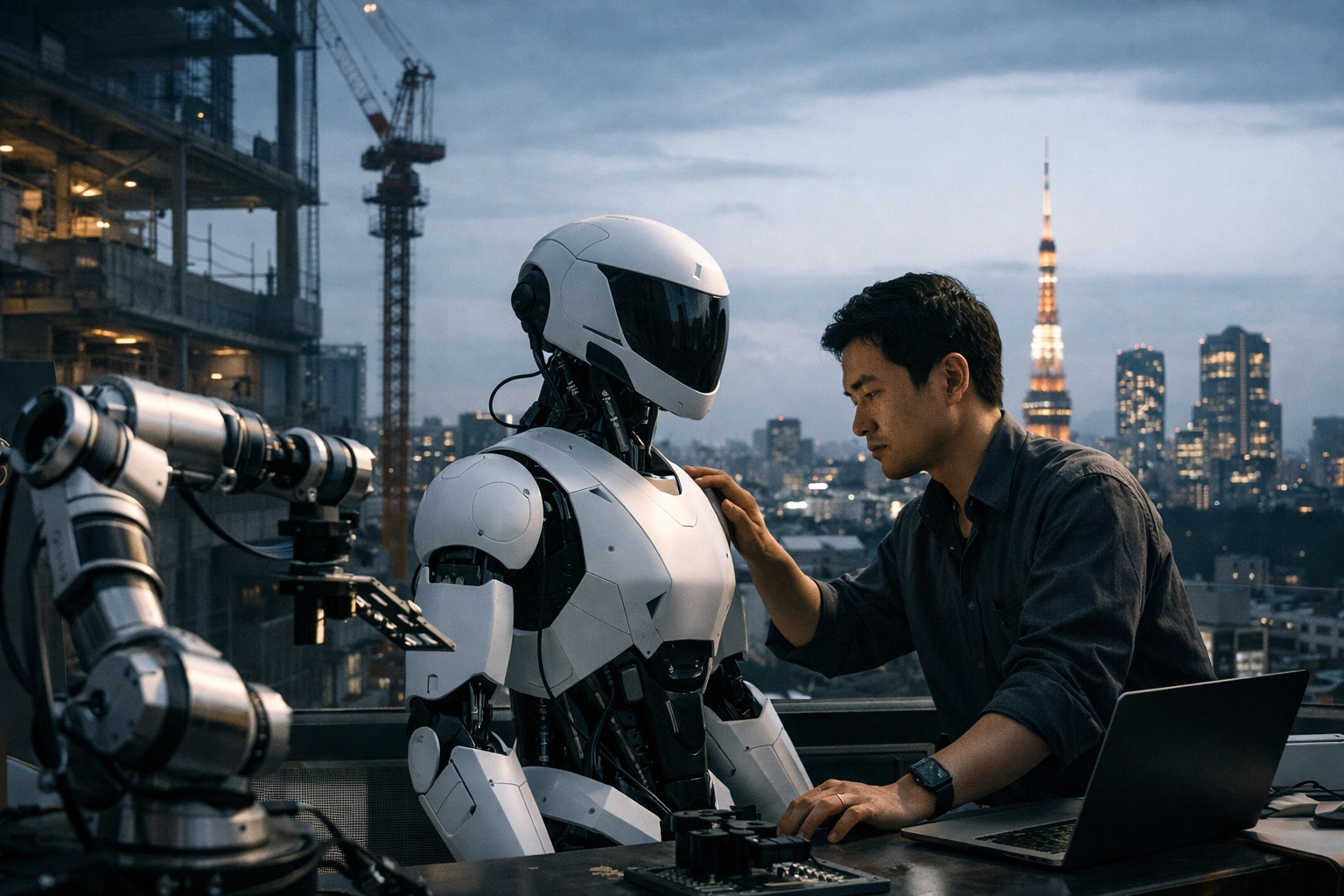
The move is not merely a change in geography; it is a strategic pivot in how we define the future of labor. The researcher, a veteran of Mountain View’s most ambitious neural network projects, argued that the next frontier of AI is not more data, but more movement. Tokyo, with its unparalleled heritage in precision engineering and high-end manufacturing, offers the only ecosystem where the "brain" of a modern AI can find a body capable of executing its commands.
The Silicon Valley Exodus
The decision to leave the San Francisco Bay Area for Tokyo reflects a growing sentiment among high-level tech talent: the "bits-only" era of innovation is reaching a plateau. In the Americas, the infrastructure for building world-class software is ubiquitous. However, the infrastructure for building world-class hardware: the sensors, the actuators, and the micro-motors: is increasingly concentrated in East Asia.
By choosing Tokyo, this new startup is bypassing the logistical bottlenecks that plague Western hardware development. This isn’t just about proximity to factories; it’s about proximity to a philosophy of craftsmanship. In Tokyo, the "Monozukuri" (the art of making things) tradition is being fused with generative AI. The result is a new class of robotics that doesn’t just follow a pre-programmed script but learns to navigate the physical world through trial and error.
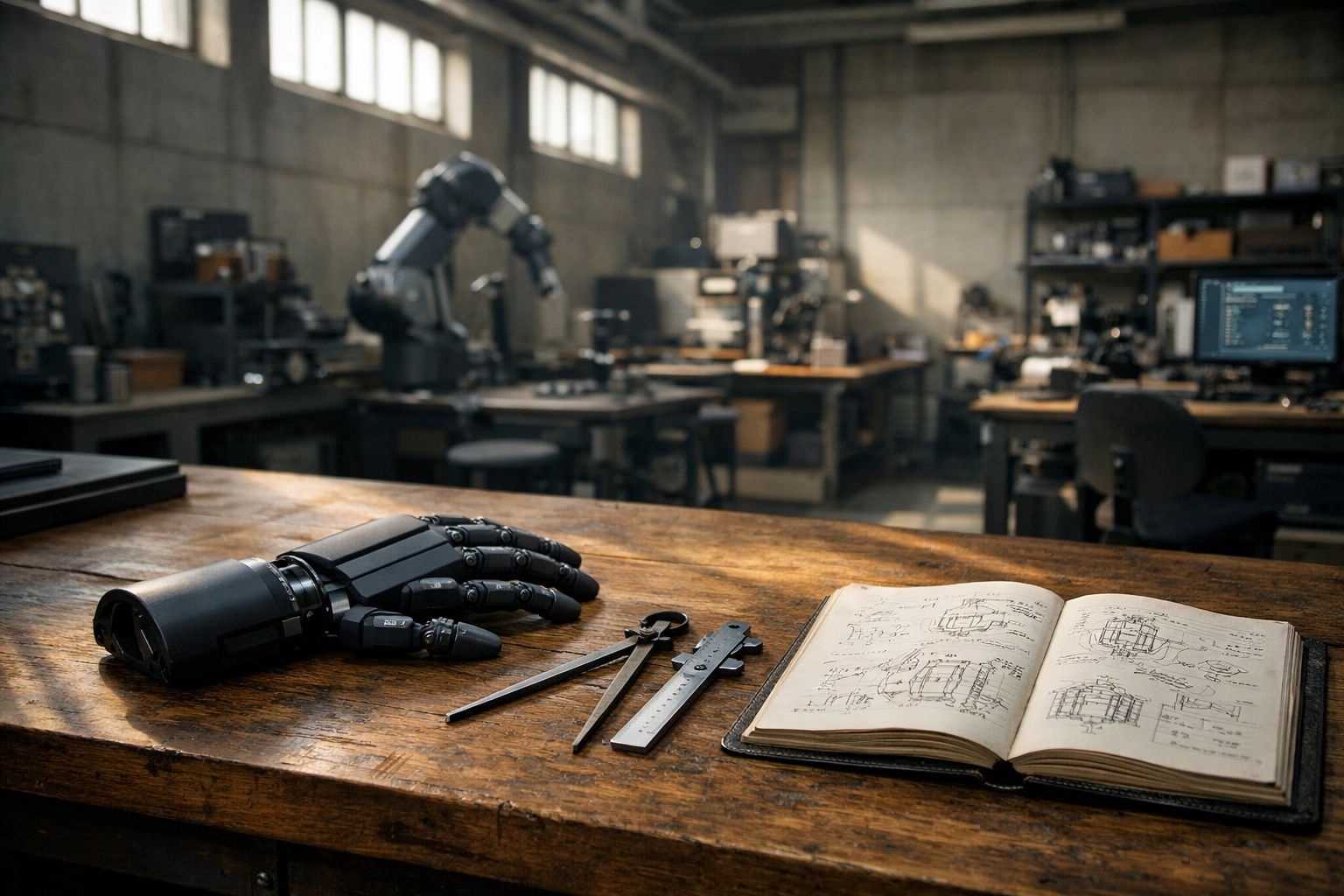
Photo: Tokyo Tech Review / Kenji Sato
Not a Tool, But a Teammate
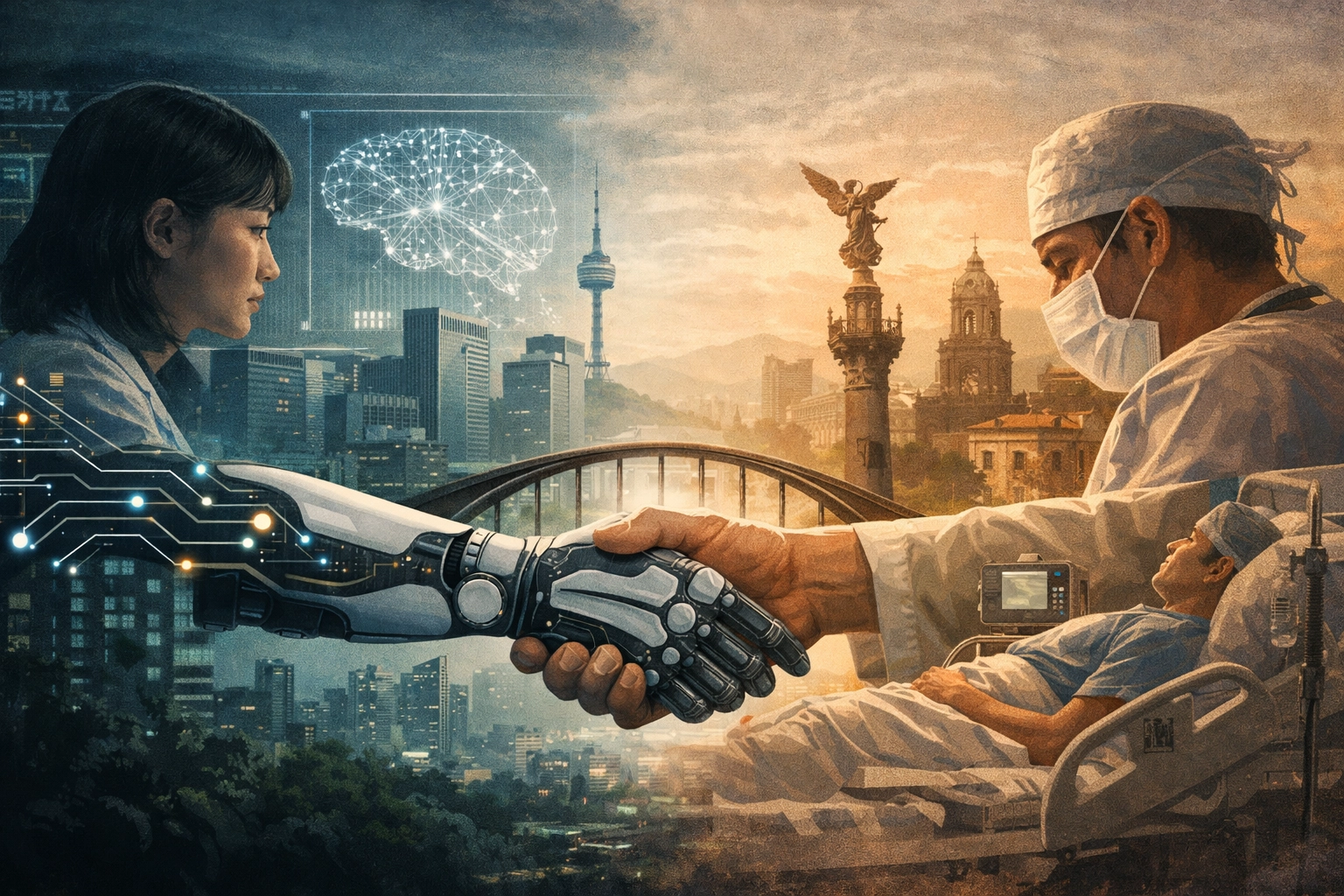
At bcdW, we often talk about the concept-case studies that redefine market entry. This startup represents a "case study" in how talent mobility is rewriting the rules of global competition. The founder's vision is centered on "Collaborative Automation." This is not the industrial robotics of the 1980s: stationary arms bolted to a floor in a car factory. This is mobile, adaptive AI designed to work alongside humans in high-density urban environments.
The startup’s flagship project is reportedly a "General Purpose Manipulator" (GPM). Unlike specialized robots, the GPM uses a vision-language model (VLM) to understand natural language instructions and translate them into complex physical tasks. Imagine a robot that doesn't need to be coded to "pick up a box," but can instead be told to "clear the hallway of any obstructions" and figure out the mechanics of grasping, lifting, and placing on its own.
This redefines the "city" as we know it. We are moving toward an urban framework where robots are integrated into the civic infrastructure. Tokyo’s high-density layout and sophisticated transit systems provide the perfect stress test for these technologies. If it works in the labyrinthine streets of Shibuya, it can work anywhere in the world.
The Aging Crisis as a Design Prompt
One of the most compelling aspects of this launch is its direct engagement with Japan’s demographic reality. A shrinking workforce is often framed as a national crisis, but for this startup, it is a primary design prompt. In the West, AI is often viewed through the lens of labor replacement and cost-cutting. In Tokyo, it is viewed through the lens of human augmentation and societal survival.
This is the "Not X, but Y" of the current robotics boom. It is not about replacing workers; it is about filling the void where workers no longer exist. From elder care to logistics and construction, Japan’s labor shortage is a signal that the world is being redefined in real-time. By solving these problems in Tokyo today, the startup is creating a blueprint for the "Future City" that many Western metropolises will eventually become.
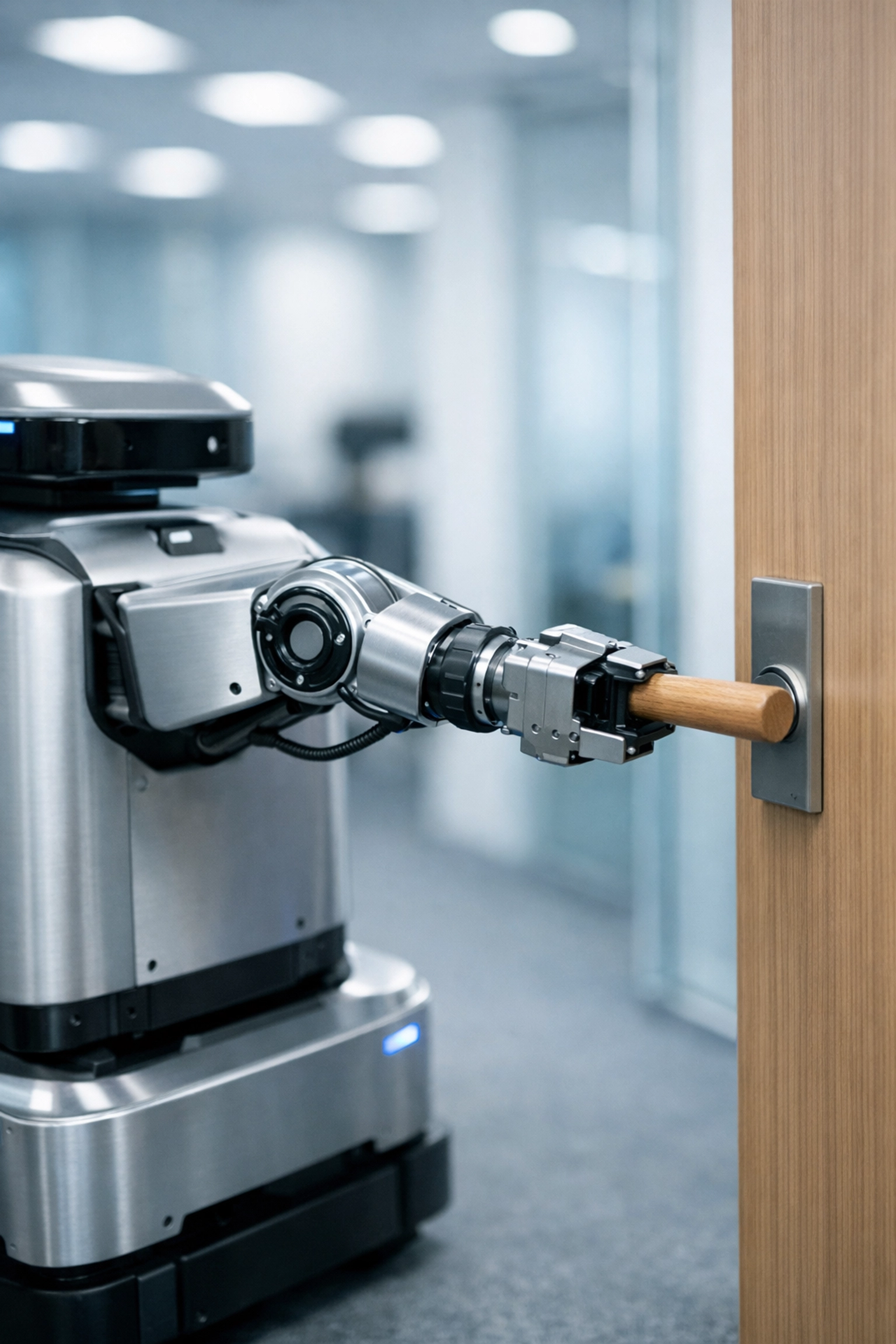
Photo: bcdW Internal / Robotics Research Division
Bridging the Hardware-Software Divide
The startup’s arrival solidifies Tokyo’s position as a "Future City" where capital, talent, and hardware converge. We’ve seen this pattern before: a breakthrough in one region becomes the catalyst for growth in another. The bcdW Rainmaker Program has long identified that the most consequential connections aren't between countries, but between the specific nodes of innovation within them.
For the Tokyo tech ecosystem, this launch is a validation. It proves that the city can attract the highest caliber of talent from the most prestigious American firms. It also highlights a shift in how venture capital is flowing. Investors are no longer just looking for "SaaS for X"; they are looking for deep tech that has a physical footprint.
The startup is expected to leverage local partnerships with major Japanese conglomerates: firms that have the manufacturing scale but lack the cutting-edge AI expertise that a Google veteran brings. This cross-pollination is where the real value is created. It’s the "Digital Bridge" in action: American-born AI architecture meeting Japanese-born mechanical excellence.
Impact on Local Industry
What does this mean for the small and medium-sized enterprises (SMEs) that make up the backbone of Tokyo’s industrial base? The ripple effect will be significant. This startup will require a sophisticated supply chain of specialized parts, creating a "strategic catalyst" for local machine shops to upgrade their own capabilities.
We are seeing a move away from the "store the size of a room" mentality: an idea we explored in our test voyage of retail concepts: toward highly efficient, automated spaces where robotics handle the back-end complexity so that humans can focus on high-value interaction.
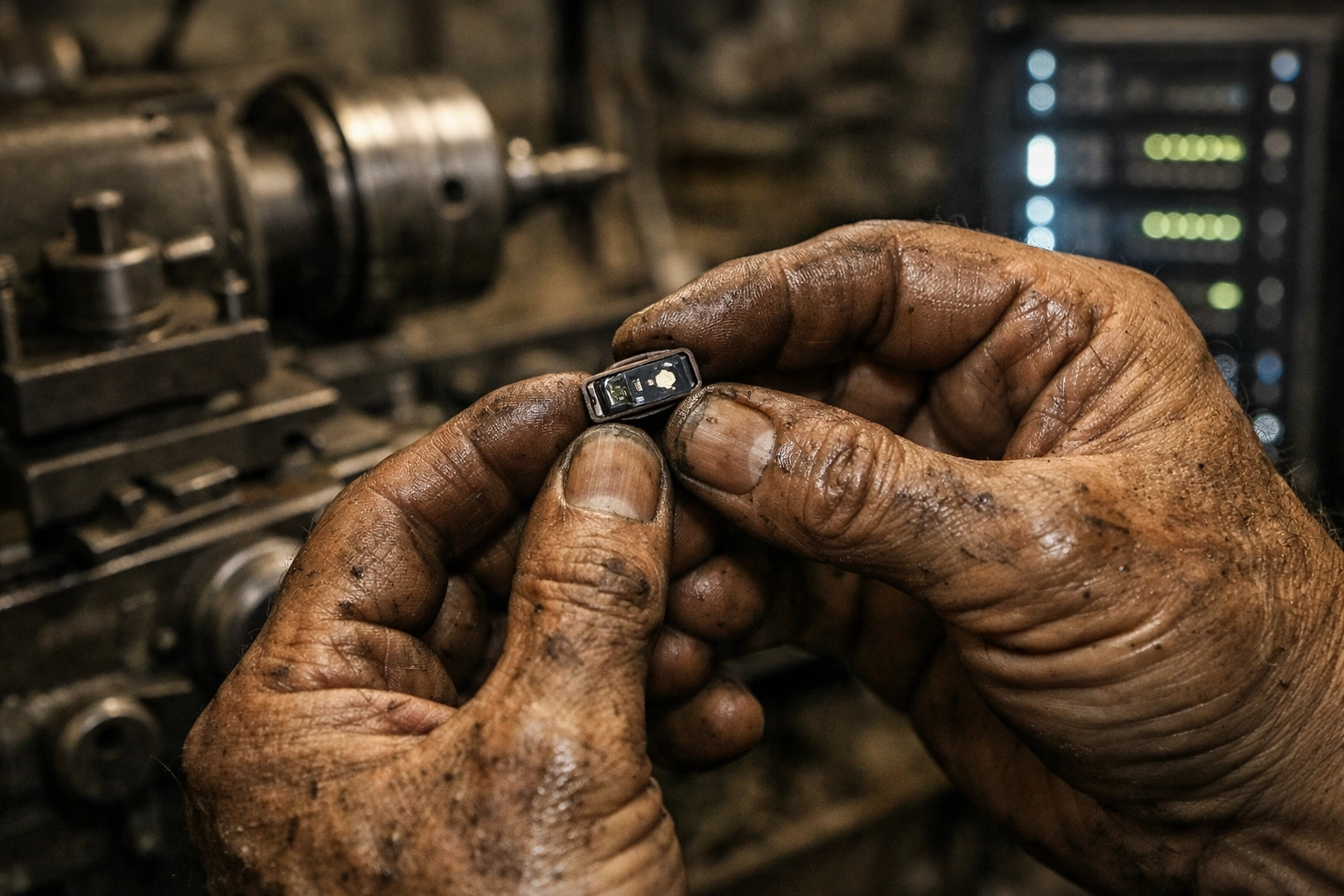
Photo: Global Tech Insights / Maria Rodriguez
A Long-Form Argument for Tokyo
The narrative of this former Google researcher is a long-form argument for the city of Tokyo itself. While many discuss "Global Human Mobility" as a theoretical trend, this move shows the practical reality of how talent moves toward opportunity. The researcher didn’t move to Tokyo for the lifestyle; they moved for the tools.
The convergence we are witnessing is the elimination of the distinction between "tech" and "industry." In the coming years, there will be no such thing as a non-tech industry. Every factory, every hospital, and every warehouse will be an AI-driven environment. Tokyo is the front line of this transformation.
As we continue to track these developments at bcd-w.xyz, the question isn't whether robotics will change our lives. The question is who will control the integration of that change. By planting a flag in Tokyo, this startup is betting that the winners won't be the ones with the most GPUs, but the ones with the best grip on the physical world.
The Way Forward
As this startup begins its hiring blitz in Tokyo, the signals are clear. The "Asia-Americas" connection is entering a new phase of maturity. We are no longer just exchanging goods; we are exchanging the very architects of our future.
Tokyo’s next frontier isn't found in a new skyscraper or a reclaimed island. It’s found in the sophisticated software now being poured into the mechanical limbs of the city’s next generation of inhabitants. This is the bridge between two worlds, and the traffic is only going one way.
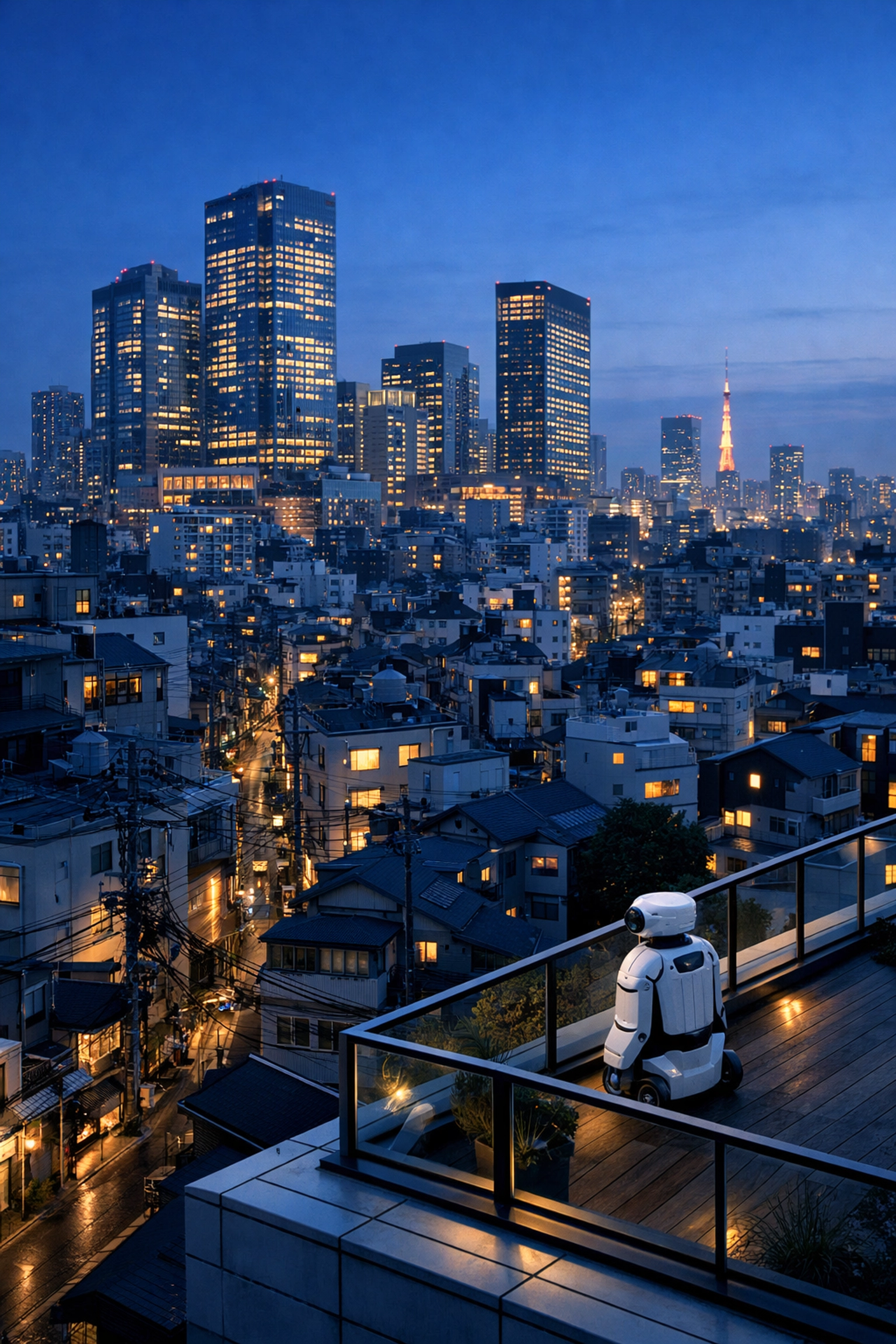
Photo: Tokyo Urban Lab / Archive 2026
Categories: News, Asia
Tags: Tokyo, Robotics
Source: Tokyo Tech Review (https://www.tokyotechreview.com/google-researcher-robotics-startup-launch-2026)