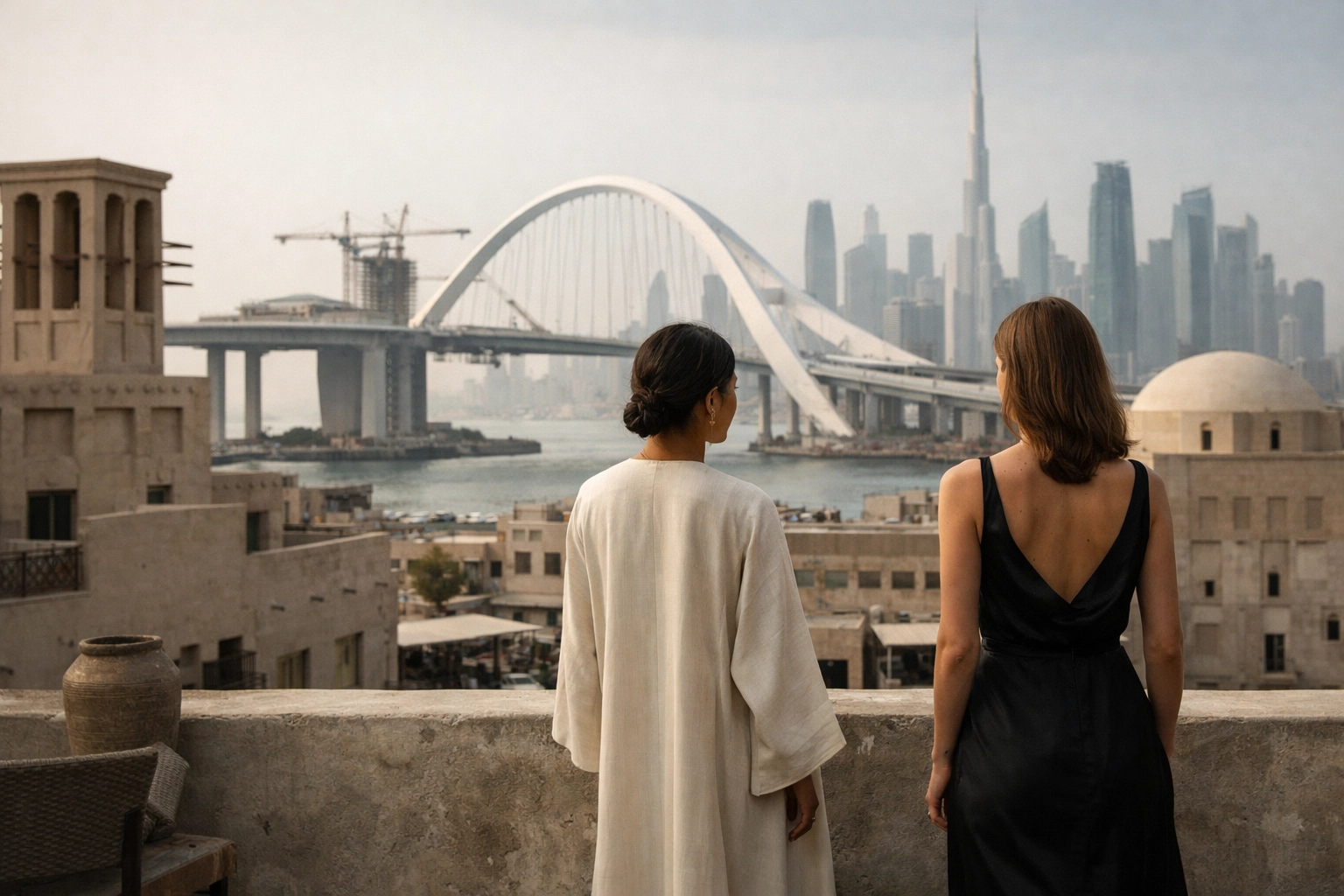
Standard luxury is currently facing a crisis of meaning. For decades, the industry operated on a familiar script: heritage was defined by European postal codes, and exclusivity was measured by the height of a price tag. But in the corridors of Dubai and the design studios of Medellín, a new narrative is being written. It is a narrative where luxury is not a status symbol, but a preservationist act.
At bcdW, we don’t just observe market shifts; we identify the "bridges" that connect seemingly disparate worlds. Today, the most compelling bridge isn't made of steel or fiber optics: it’s built on the shared values of ethical craftsmanship. This is the story of how the Arabian Peninsula meets the Northern Andes, and why a collaboration between the UAE’s Abadia and Colombia’s Tigre de Salón (TdS) represents the future of the global creative economy.
The Preservationist Pivot: Inside the World of Abadia
Luxury is often perceived as something fleeting: a seasonal trend captured in a gloss finish. Abadia, the UAE-based label co-founded by Shahd AlShehail, challenges this status quo. To understand Abadia is to understand that a garment is not just a product; it is a piece of "civic infrastructure" for a culture’s identity.
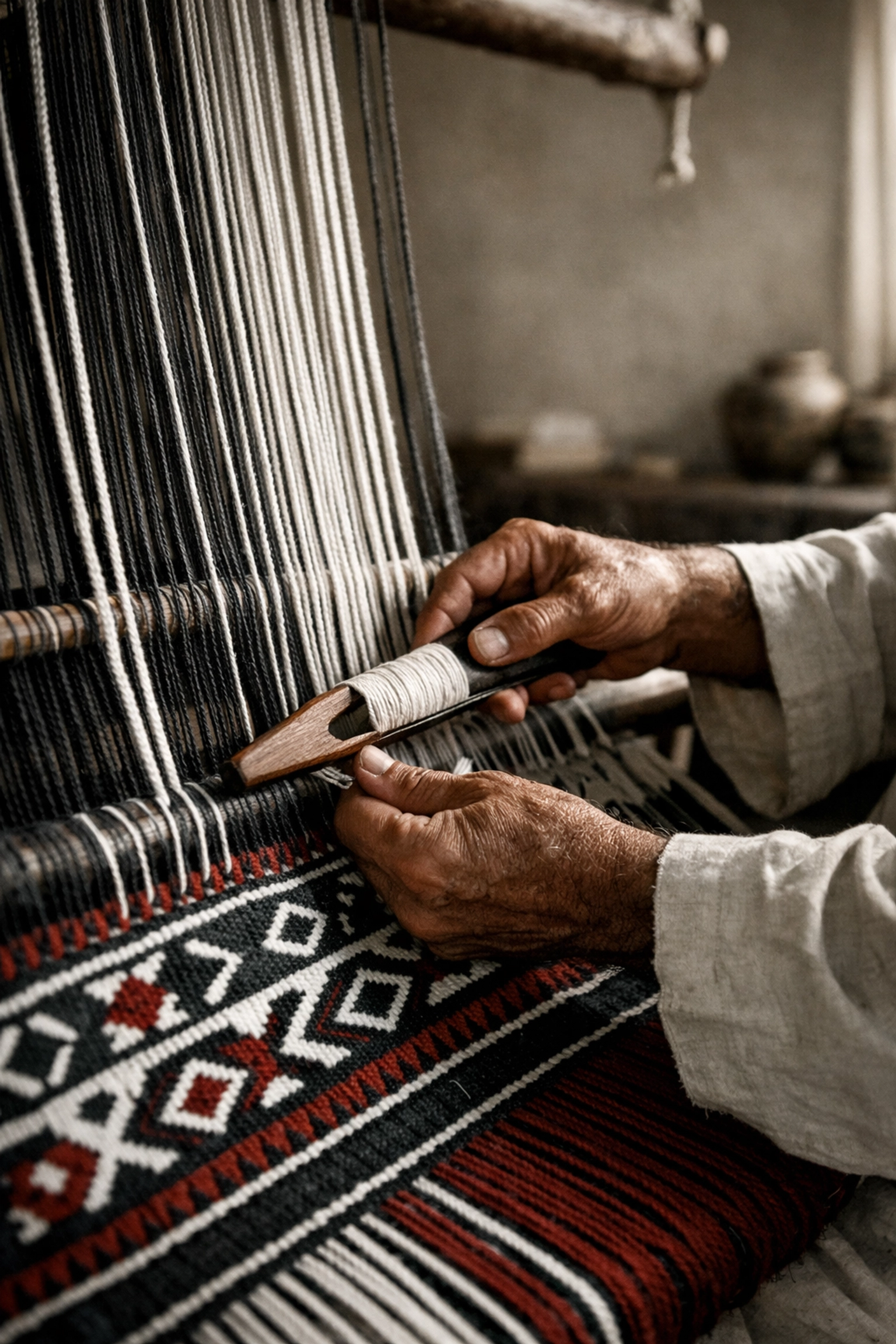
Abadia’s mission is rooted in the preservation of craftsmanship from the Arabian Peninsula. Their signature Farwa: a traditional oversized coat historically worn by Bedouins: is reimagined for the modern, global wardrobe. But the innovation isn't just in the silhouette. It’s in the supply chain. By working directly with female artisans specializing in Sadu weaving (a traditional embroidery technique recognized by UNESCO), Abadia transforms a dying art into a sustainable economic engine.
This is not "fast fashion" with a sustainable label slapped on it. It is a structural solution to a cultural problem. In a world where mass production threatens to erase local nuances, Abadia acts as a strategic catalyst, ensuring that the hands that weave the story are the ones who benefit from its sale.
Medellín’s Leather Alchemy: The Rise of Tigre de Salón
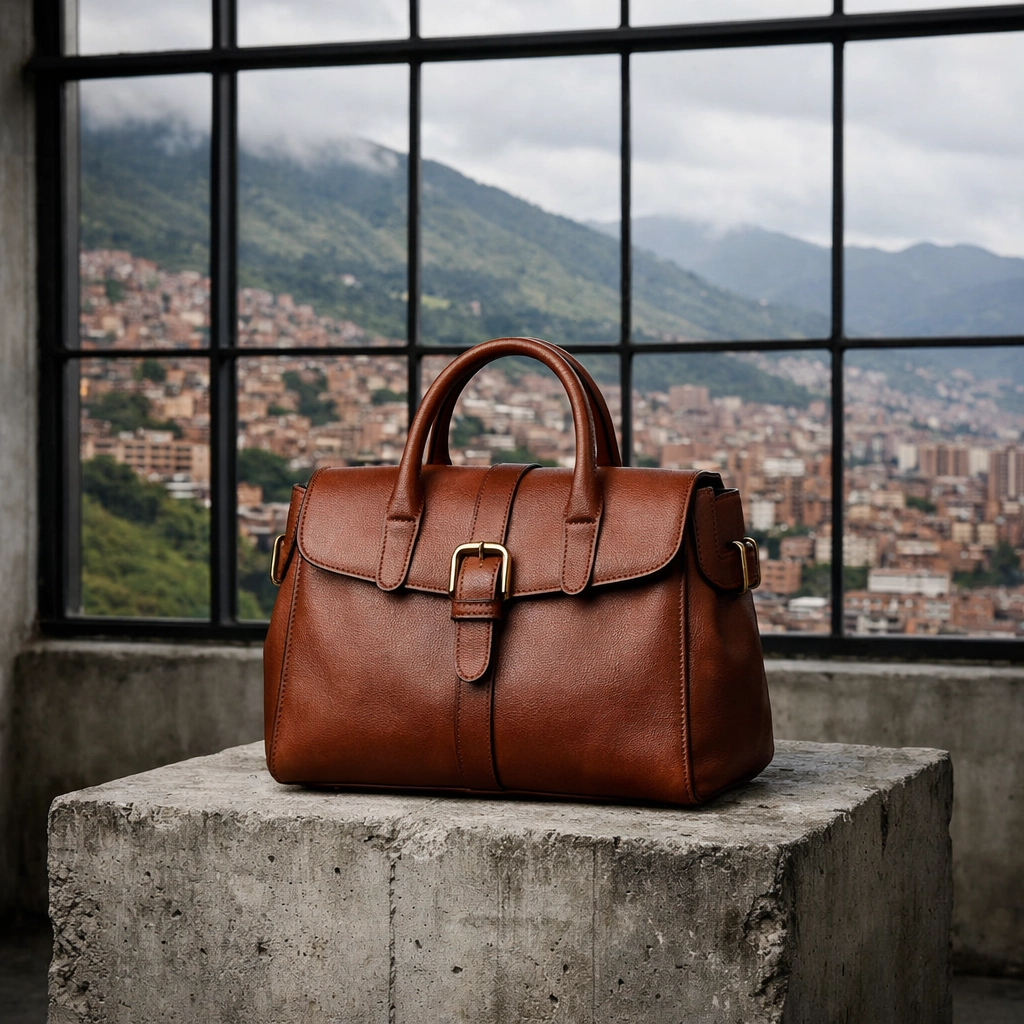
Six thousand miles away, in the lush, mountainous valley of Medellín, Tigre de Salón (TdS) is performing a similar feat of cultural alchemy. While Colombia has long been known for its raw commodities, TdS has redefined what "Made in Colombia" means for the high-end leather market.
TdS doesn't just make bags or shoes; they curate a tactile experience that mirrors the complexity of the city they call home. Medellín is a city of "convergence": a place where industrial grit meets high-design ambition. TdS captures this by utilizing ethically sourced leathers and traditional tanning methods that have been passed down through generations of Antioquian artisans.
The "Tigre" aesthetic is raw but refined, sophisticated but grounded. It speaks to a consumer who values the weight of a well-crafted object over the flash of a logo. In the same way Abadia protects the Sadu weavers, TdS provides a platform for Colombian leather workers to showcase their expertise on a global stage, proving that the Southern Cone’s creative output is ready for the world’s most demanding markets.
The Concept: An Americas-to-Gulf Creative Bridge
At bcdW, we often argue that the most consequential business relationships are forged between cities, not just nations. The synergy between Dubai and Medellín is a prime example of this "Local-to-Local" connection.
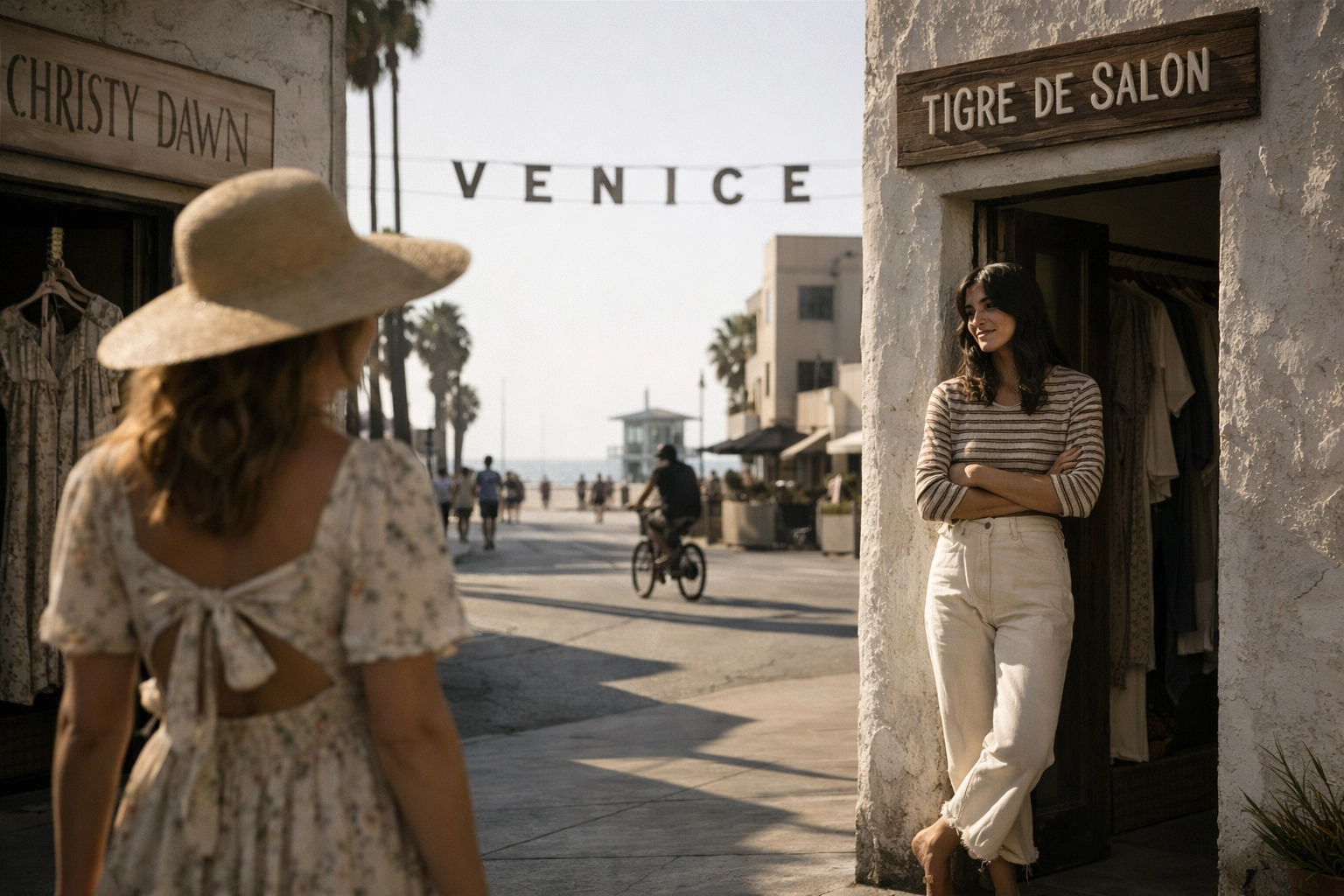
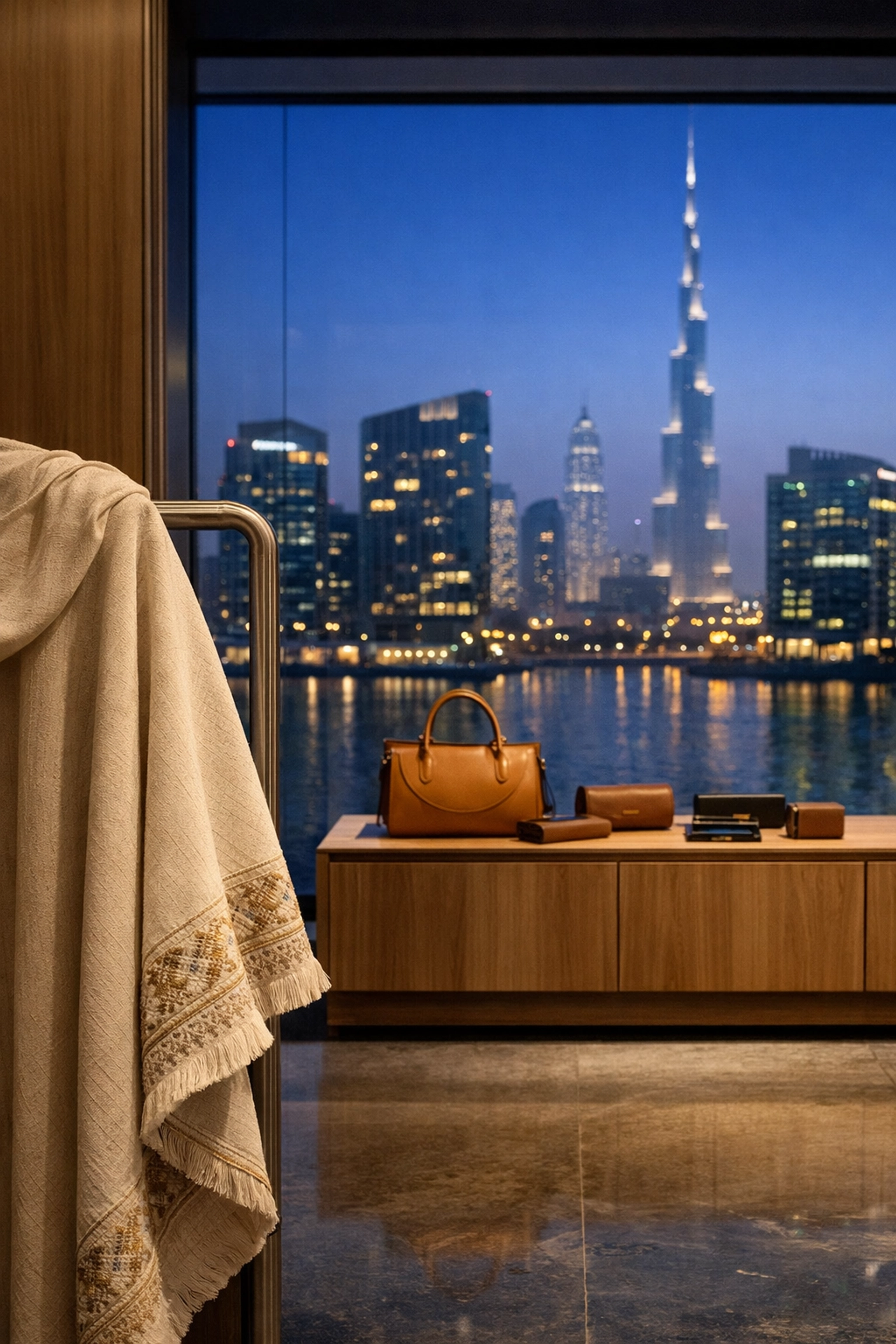
Imagine a retail experience that transcends the traditional department store model: an idea explored in our recent piece, A Store the Size of a Room: An Idea That Has No Limit. We are proposing a first-of-its-kind initiative: a Tigre de Salón pop-up presence inside Abadia’s Dubai retail space.
This isn't just a guest brand placement; it’s a strategic alignment. A TdS pop-up in Dubai would serve as a "human mobility" bridge for craftsmanship. It introduces the Gulf’s sophisticated, story-driven consumers to the rugged elegance of Medellín’s leather heritage, while Abadia provides the cultural context and localized expertise required to navigate the Middle Eastern market.
Why This Works:
- Shared Ethical DNA: Both brands prioritize artisan welfare and the preservation of heritage crafts.
- Complementary Aesthetics: The structured, earthy tones of TdS leather perfectly complement the flowing, embroidered textures of Abadia’s winter collections.
- Market Fluidity: The Dubai consumer is increasingly looking for "undiscovered" luxury from the Americas, moving away from the saturation of traditional luxury conglomerates.
Not a Store, But a Conversation
When we talk about the "Gulf Bridge," we are talking about more than just trade. We are talking about a conversation between two regions that have historically been sidelined by the Euro-centric fashion establishment. By connecting Abadia and Tigre de Salón, we create a new node in the global economy: one that runs directly from the Andes to the Arabian Desert.
This collaboration would function as a "Case Study" in cross-continental market entry. For TdS, Dubai is the gateway to the broader Middle East and Asia. For Abadia, a partnership with a top-tier Latin American brand signals their status as a global curator, not just a regional label.
The question isn't whether these two worlds have something to say to each other. The question is who moves first to facilitate the introduction. In the retail landscape of 2026, the "store" is no longer just a place to buy things; it is a laboratory for cultural exchange.
The bcdW Perspective: Bridging the Distance
The role of bcdW Magazine is to reveal these invisible lines of connection. We see the same meticulous attention to detail in a Sadu weave as we do in a hand-stitched TdS leather tote. Both represent a rejection of the "breathless" pace of modern consumerism in favor of something more measured, more permanent.
Our Digital Bridge consulting services and our focus on Global Human Mobility are designed to make these exact types of collaborations possible. We understand that the structural barriers: logistics, regulatory frameworks, and cultural interpretation: often prevent great ideas from crossing the ocean. But when those barriers are removed, the result is a partnership that feels not just inevitable, but essential.
Redefining the Luxury Map
As we look toward the future of the creative economy, it is clear that the map is being redrawn. The centers of influence are shifting toward cities like Dubai, Seoul, Medellín, and Bangkok. These are the "Future Cities" where innovation is grounded in identity.
Abadia and Tigre de Salón are not just brands; they are signals. They signal that the next generation of luxury consumers will demand more than quality: they will demand a lineage. They will demand to know that their purchase supported an artisan in a workshop they can visualize, in a city they respect.
The proposed Americas-to-Gulf bridge is a prototype for a new kind of globalism. It is a globalism that doesn't flatten culture, but celebrates its specificities. By bringing TdS to the heart of Dubai through Abadia, we aren't just selling products. We are building a bridge that allows two ancient traditions to walk into the future together.
Where do the makers of the past meet the consumers of the future? They meet in the spaces where the dots are finally connected.
To explore more about how bcdW is connecting the Americas and Asia through strategic market entry and storytelling, visit our Archive or learn more about our Rainmaker Program.