Category: News
Tags: Amman, Retail/Ethical Luxury
Excerpt:
The "Gulf Bridge" isn't made of steel: it's woven from silk, hand-stitched leather, and a radical commitment to ethical production. Discover how bcdW is connecting the high-end craftsmanship of Amman to the global market, proving that the most powerful business stories are the ones that travel from local hands to global hearts.
Amman doesn’t shout. It hums. If you’ve spent any time in the Jordanian capital, you know the sound: a rhythmic blend of ancient limestone cooling in the dusk and the hyper-modern clicking of keyboards in the tech hubs of Abdali. It is a city that sits at the intersection of "always been here" and "what’s next."
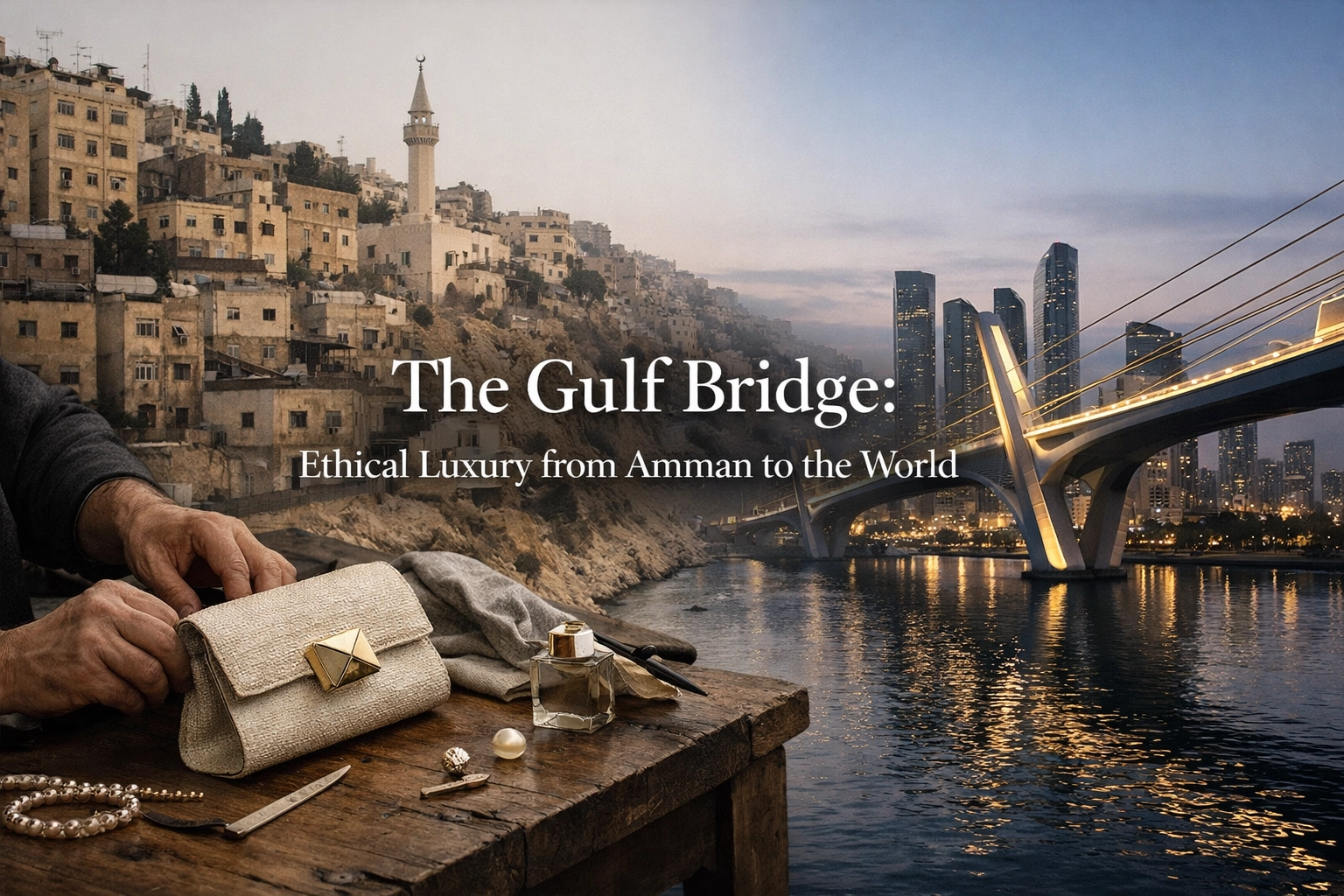
Lately, that "what’s next" has taken a very specific, very tactile shape. We’re calling it the Gulf Bridge. It isn’t a physical structure spanning the desert; it’s a strategic corridor for ethical luxury that connects the artisan workshops of the Levant to the sophisticated closets of New York, Seoul, and Medellín.
At bcdW Magazine, we’ve spent years arguing that the most consequential economic connections of the 21st century run between the Americas and Asia. But a bridge needs pillars. And right now, one of the sturdiest pillars in the retail space is being built in Amman by brands like Abadia.
The Shift: Not Just a Product, but a Protocol
For decades, the global "luxury" market followed a predictable, somewhat tired script. You went to Paris for the name, Milan for the leather, and New York for the marketing. The "Global South" or the "Middle East" were often relegated to being either high-volume consumers or low-cost manufacturing hubs.
That script has been shredded.
Today’s luxury consumer: the one bcdW readers are likely tracking: doesn't care about a logo that was slapped on a product in a sterile factory. They care about civic infrastructure. They care about the human mobility behind the stitch.
When we look at a brand like Abadia, we aren't just looking at a high-end fashion house. We are looking at a strategic catalyst for regional stability. By employing women in rural Jordan to preserve traditional hand-embroidery and weaving techniques, these brands are turning "heritage" into a viable, exportable economic engine.
A hand-woven farwa (a traditional winter coat reimagined for the modern luxury market) is not just a garment. It is a piece of human software. It is a data point in a new kind of supply chain where the value isn't added by a middleman in London, but by a craftswoman in a village outside Amman.
The bcdW Lens: Connecting the Local to the Global
At bcdW, our mandate is simple: Connect the Dots. In the case of the Gulf Bridge, the dots are the artisans of Jordan and the discerning buyers of the Americas and Asia.
Why does this matter to a business consultant or an investor? Because ethical luxury is currently the highest-performing "soft power" asset in the retail sector. It solves the "Trust Problem" that has plagued global trade. When a consumer in Los Angeles buys a piece from Amman through a bcdW-vetted channel, they aren't just buying clothes; they are participating in a transparent ecosystem.
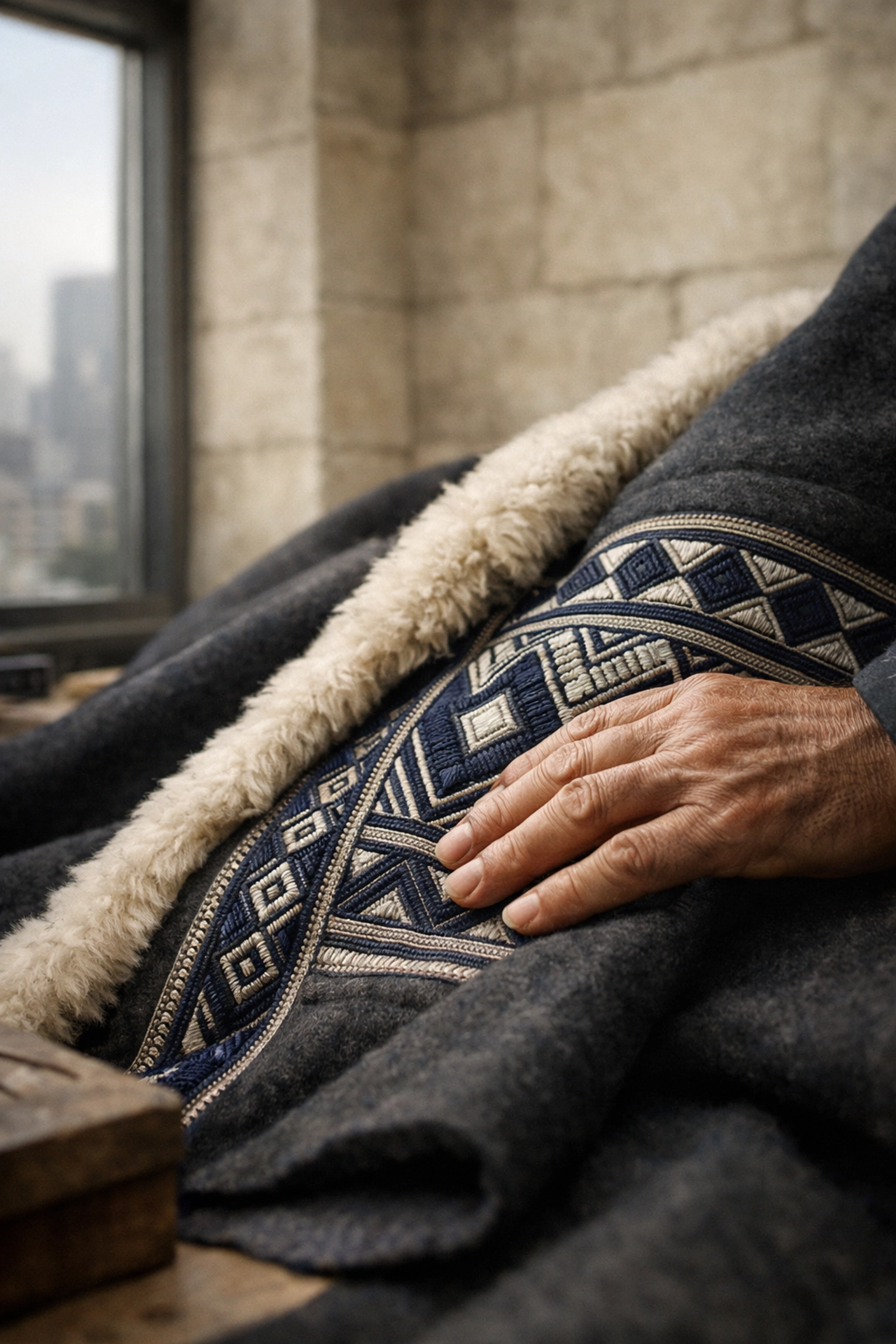
Photo: Jordan Fashion
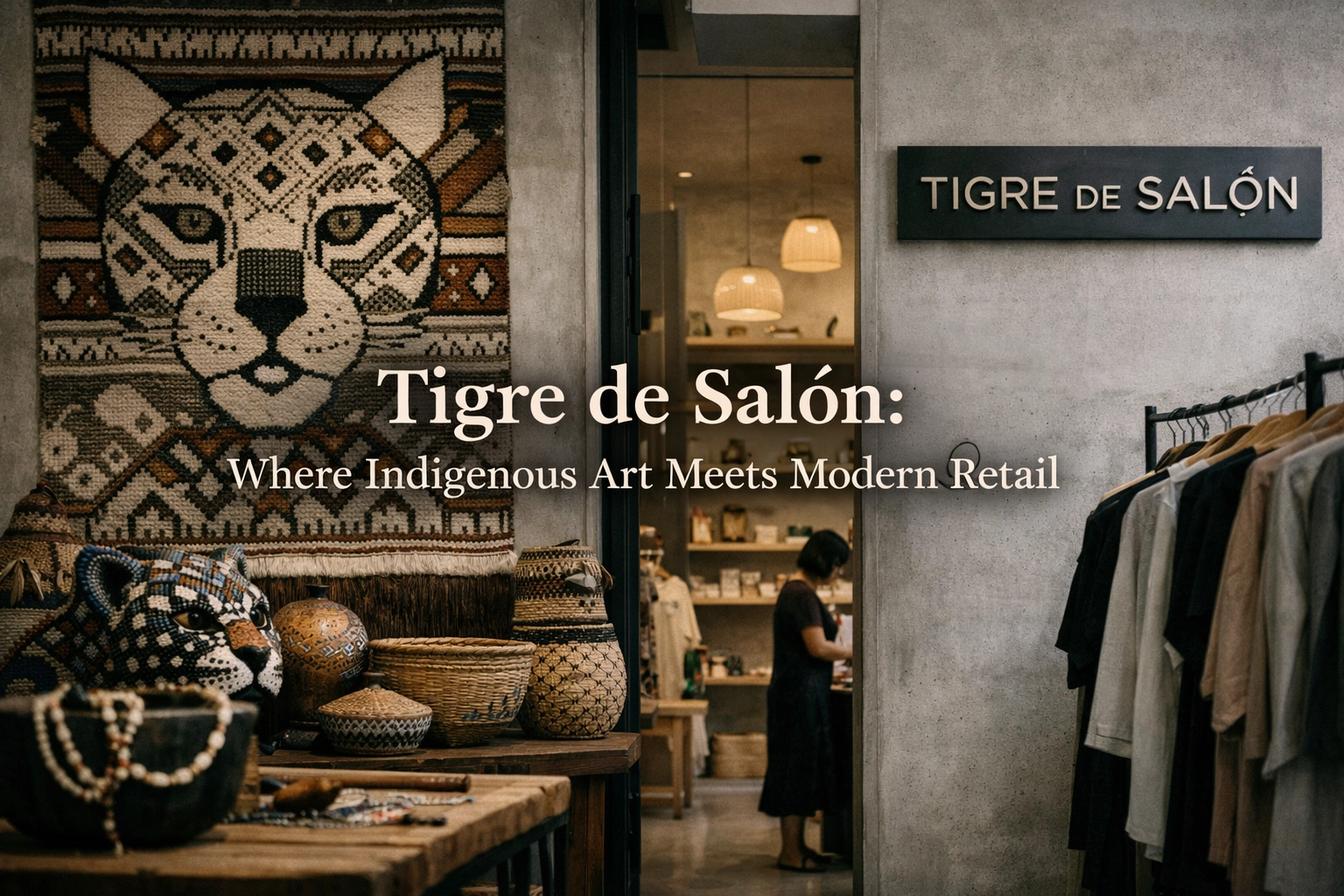
This is the "Local-to-Local" connection in action. We saw it with Tigre de Salón in Medellín, where indigenous craftsmanship met urban design. Amman is the next logical node in this network. If Medellín can teach us about social urbanism through fashion, Amman can teach us about the "Gulf Bridge": a way to scale tradition without losing its soul.
The Mechanics of the Bridge: Virtual to Coordinator
How does a small, ethical brand in Amman actually reach a boutique in Seoul or a showroom in Bogotá? It doesn't happen by accident, and it certainly doesn't happen through traditional trade shows, which are increasingly becoming relics of a pre-digital age.
This is where the bcdW Digital Bridge comes in. We’ve moved beyond the "Export/Import" model into a three-mode framework:
- Virtual Expertise: We identify brands that have the "soul" but perhaps lack the global market-entry strategy.
- The Connector: We introduce these brands to local institutions in target cities: New York, Manila, or Singapore: ensuring the "cultural translation" is seamless.
- The Coordinator: Once the connection is made, we manage the on-the-ground execution.
This isn't just consulting; it’s project management for the 21st-century economy. The "Gulf Bridge" works because it leverages the bcdW Rainmaker Program, turning high-level cultural observations into revenue events. When we say a brand like Abadia is ready for the global stage, we aren't just giving them a review; we are opening the door to a pipeline of qualified opportunities.
Why Amman? Why Now?
You might ask: Why focus on Amman when Dubai or Riyadh have more capital?
The answer lies in bcdW’s editorial philosophy: The country sets the rules. The city makes the deals.
While other cities in the region focus on "the biggest" or "the tallest," Amman has quietly focused on "the deepest." There is a grit to the Jordanian creative economy that is rare. It’s a city that has hosted generations of displaced people, turning a crossroads of crisis into a crucible of creativity.
When you buy into the Amman luxury scene, you are buying into a narrative of resilience. In the world of business, resilience is the most valuable currency there is. We see a direct line between the entrepreneurs in Amman and the founders we talk to in South Korea’s K-Dash program. Both are navigating complex geopolitical waters by leaning into their cultural specificities.
The Human Element: Mobility as a Right
We cannot talk about the Gulf Bridge without talking about people. Business doesn't move across borders; people do.
The Global Human Mobility Program at bcdW is designed to remove the structural barriers: visas, work authorizations, the red tape of the old world: that prevent an artisan from Amman from visiting a workshop in Mexico City.
Imagine a collaboration between a Jordanian weaver and a Mexican leather worker. That isn't just a "fusion" project; it’s a new economic reality. It’s what happens when you treat human talent as a fluid asset rather than a static one. The Gulf Bridge is the infrastructure that makes these "collisions" possible.
The Witty Reality of Modern Retail
Let’s be honest: The traditional retail model is dying a slow, beige death. If you walk into a luxury mall in any major city today, you could be anywhere. The same lighting, the same scent, the same bored security guards. It’s "Luxury as a Commodity."
The Gulf Bridge is the antidote. It offers the "Limited Edition" of human experience. When you tell a client that their bag was hand-stitched in a courtyard in Amman by a woman whose family has done this for four hundred years, and that the transaction was facilitated by a digital bridge that ensures her community was paid fairly: that is a story that sells.
In 2026, the brand that wins isn't the one with the biggest billboard. It’s the one with the shortest distance between the maker’s hand and the buyer’s heart.
What’s Next for the Bridge?
As we look toward the upcoming bcdW conferences, the focus will remain on these city-to-city connections. We aren't looking for "emerging markets": a term that implies a hierarchy we don't believe in. We are looking for parallel markets.
Amman isn't "catching up" to New York. In terms of ethical luxury and community-integrated retail, Amman might actually be ahead. The Gulf Bridge is simply our way of making sure the rest of the world has a chance to see it.
So, the next time you think of Jordan, don’t just think of the ruins of Petra. Think of the looms of Amman. Think of the designers who are redefining what it means to be "global." And if you’re looking for the next dot to connect in your portfolio, the Gulf Bridge is open.
Are you moving, or are you just watching the bridge from the shore?
Source: bcdW Magazine (https://bcd-w.xyz/p/a-store-the-size-of-a-room-an-idea-that-has-no-limit)