Category: Connect, Company
Tags: KOSÉ, Travel Retail, LAX, SFO, JFK, Global Branding, J-Beauty, Market Entry
The airport terminal is often dismissed as a "non-place": a liminal zone of transit defined by waiting and friction. For the modern global brand, however, the international gateway is the most concentrated site of human mobility on the planet. It is not merely a corridor between cities; it is a strategic laboratory where a brand can test the convergence of legacy loyalty and new-market discovery.
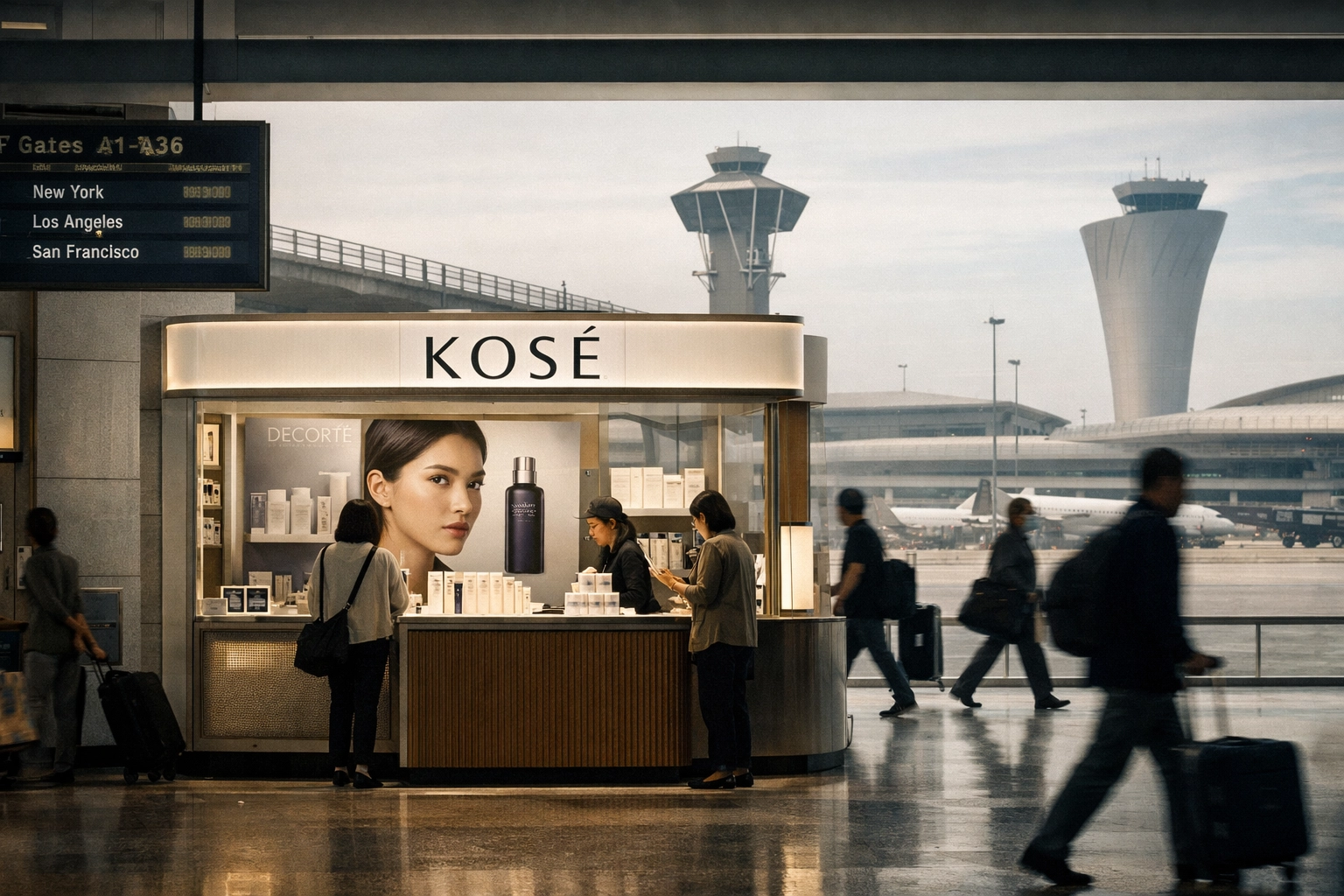
In late 2025, Japanese beauty giant KOSÉ Corporation, celebrating its 80th anniversary, executed a masterclass in this "Local-to-Global" connection. By launching simultaneous, high-profile pop-ups for its flagship brand, DECORTÉ, at New York (JFK), San Francisco (SFO), and Los Angeles (LAX), KOSÉ signaled a pivot in J-Beauty’s Western expansion strategy. This was not a standard retail activation. It was a calculated move to bridge the gap between Asian traveler loyalty and American domestic awareness through the most visible nodes of the Pacific and Atlantic bridges.
The Triple-Gateway Strategy: Analyzing the Nodes
The choice of JFK, SFO, and LAX is not incidental. In the language of bcdW, these are the three primary "dots" connecting the American market to the Asian continent. By activating these specific terminals, KOSÉ targeted the precise intersection of two high-value demographics: the affluent Asian traveler returning home and the curious American consumer beginning a journey.
At JFK Terminal 4, the focus was on the Atlantic gateway’s sheer volume and diversity. In San Francisco (SFO), the activation at Gates A and G tapped into the tech-centric, high-disposable-income corridor between Silicon Valley and Tokyo. However, it was at Los Angeles International Airport (LAX) where the strategy reached its zenith.
LAX Terminal B (Tom Bradley International Terminal) served as the centerpiece of the campaign. KOSÉ didn't just rent space; they took over the visual architecture of the DFS store, commanding all ten digital billboard screens. This level of saturation transforms a "pop-up" into a temporary landmark. In the context of market entry, this is what we call a "strategic catalyst." It forces the brand into the traveler’s consciousness not through a passive shelf presence, but through environmental dominance.

The Ohtani Factor: A Cultural Bridgehead
The most potent element of the KOSÉ strategy was the utilization of Shohei Ohtani. In 2026, Ohtani is no longer just a baseball player; he is a trans-Pacific cultural phenomenon. He represents the ultimate "bridge" between the two continents bcdW covers. His presence as the face of DECORTÉ provides an immediate "Local-to-Local" anchor.
In Tokyo, Ohtani is a national hero. In Los Angeles, he is a hometown icon. By leveraging this dual identity, KOSÉ bypassed the traditional "foreign brand" friction. When a traveler at LAX sees Ohtani on a ten-screen digital takeover, the brand is perceived not as a Japanese import, but as a shared cultural asset. This is a critical distinction for any company looking to scale across the Americas and Asia.
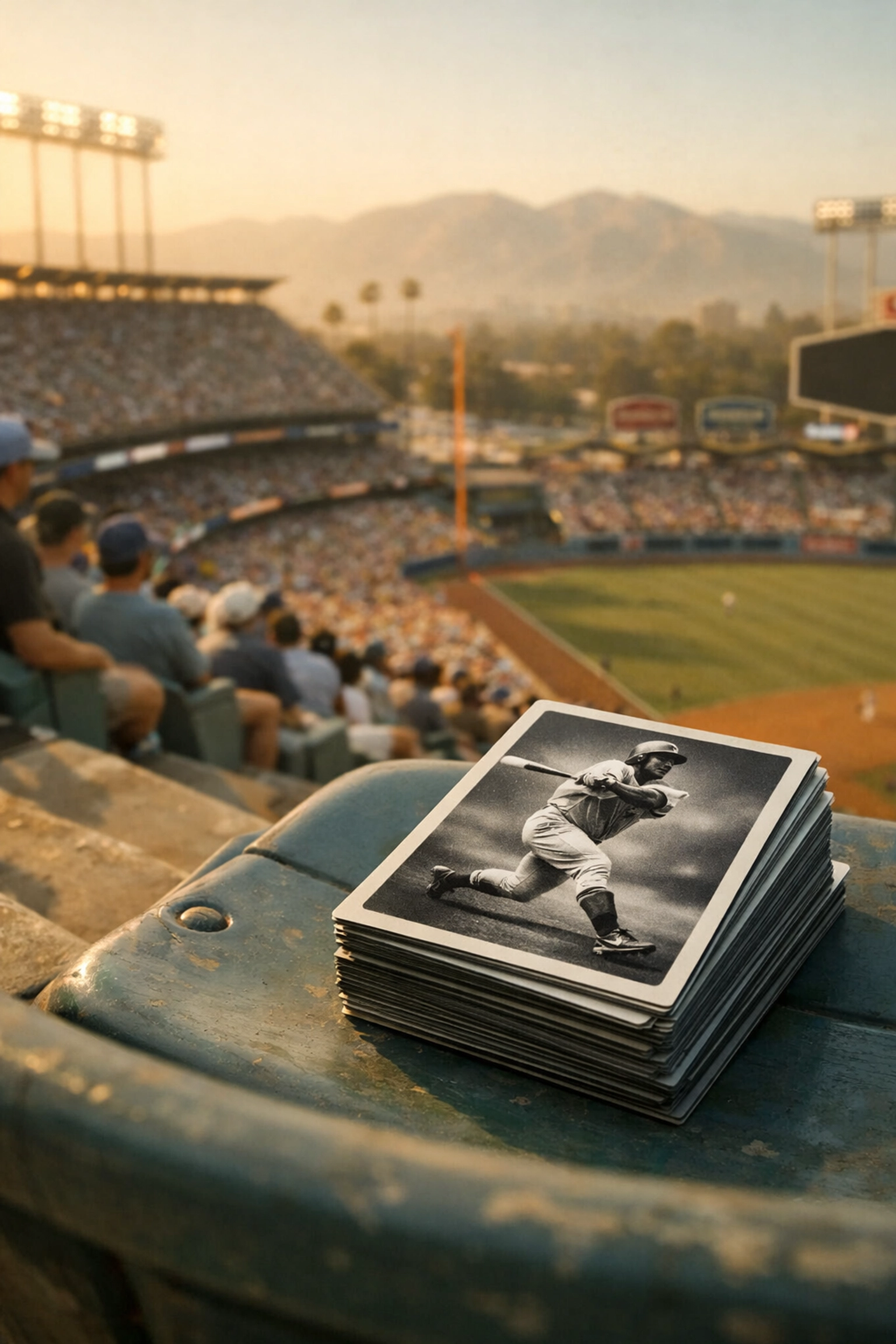
The tactical execution was equally precise. KOSÉ synchronized the LAX activation with the Dodgers’ home game season. On September 21, the engagement moved from the terminal to the stadium, where 10,000 fans received exclusive trading cards featuring Ohtani in the signature "DECORTÉ pose." This is not just marketing; it is the integration of a brand into the civic infrastructure of a city. It connects the "Present City" (the sports culture of LA) with the "Global Brand" (the Japanese legacy of KOSÉ).
Beyond the Terminal: The Seamless Experience
A common mistake in travel retail is treating the airport activation as an isolated event. KOSÉ’s approach suggests a more sophisticated understanding of human mobility. They recognized that the traveler’s journey does not end at the gate.
Through a partnership with HIS LA bus tours, KOSÉ distributed Liposome sachets and redeemable leaflets to passengers traveling through Southern California. This extended the "touchpoint" of the brand from the sterile environment of the airport into the lived experience of the city. For travelers returning to Japan, it reinforced loyalty; for those staying in the U.S., it served as a localized introduction to DECORTÉ’s clinical efficacy.
This methodology mirrors the Digital Bridge framework: virtual expertise (brand awareness) followed by local connection (the stadium and bus tours) and eventually coordinated execution (sales conversion). It is a move from a "Macro" continent-to-continent strategy to a "Local" city-to-city engagement.
The "Not X, but Y" of J-Beauty Expansion
This activation is not a retail campaign; it is a prologue to a full-scale institutional shift. For decades, J-Beauty brands relied on a "hush-hush" prestige model in the West: available in high-end department stores but rarely commanding the cultural conversation. KOSÉ is disrupting this familiar script.
The airport takeover is not about selling bottles of serum in a duty-free shop. It is about accumulating cultural capital. By positioning DECORTÉ at the intersection of Shohei Ohtani, the LA Dodgers, and the three most important airports in the United States, KOSÉ is redefining its relationship with the American consumer.
They are moving from being a "Japanese secret" to a "Global standard." This is a necessary evolution. As we have noted in our analysis of empty storefronts and urban experiments, the traditional retail landscape is shifting. Success now requires brands to show up where the people are already moving: which is why the airport, as a site of hyper-mobility, is the new frontier.
The bcdW Perspective: Connecting the Dots
At bcdW, we believe that the country sets the rules, but the city makes the deals. KOSÉ’s strategy understands this perfectly. They didn't just "enter the U.S. market." They entered New York, San Francisco, and Los Angeles. They recognized that these cities are not just American hubs; they are the Western anchors of the Pacific Rim.
This "Airport Takeover" serves as a case study for any Asian brand looking to bridge the gap. The success factors are clear:
- Select the Right Nodes: Focus on cities with existing cultural and economic ties to the home market.
- Anchor with Local Icons: Use ambassadors who already live in both worlds.
- Extend Beyond the Gate: Use mobility partnerships (bus tours, stadium events) to follow the consumer into the city.
- Immersive Presence: Use digital architecture to command attention in transit-heavy zones.

As KOSÉ moves toward its 2029 milestone with the Dodgers, the implications for the wider industry are significant. The boundary between "Travel Retail" and "Domestic Branding" is dissolving. The airport is no longer a place where you buy a last-minute gift; it is where you first meet the brand that will define your next decade.
The question for other founders and operators moving between the Americas and Asia is simple: If the airport is the new town square of the global economy, what is your presence there saying about your brand?
KOSÉ has shown that when you connect the dots between Tokyo and LAX, you aren't just selling skincare. You are building a bridge.
To learn more about how bcdW connects brands with global opportunities, explore our Company and Concept & Case Studies sections, or join the conversation on the future of Global Human Mobility.