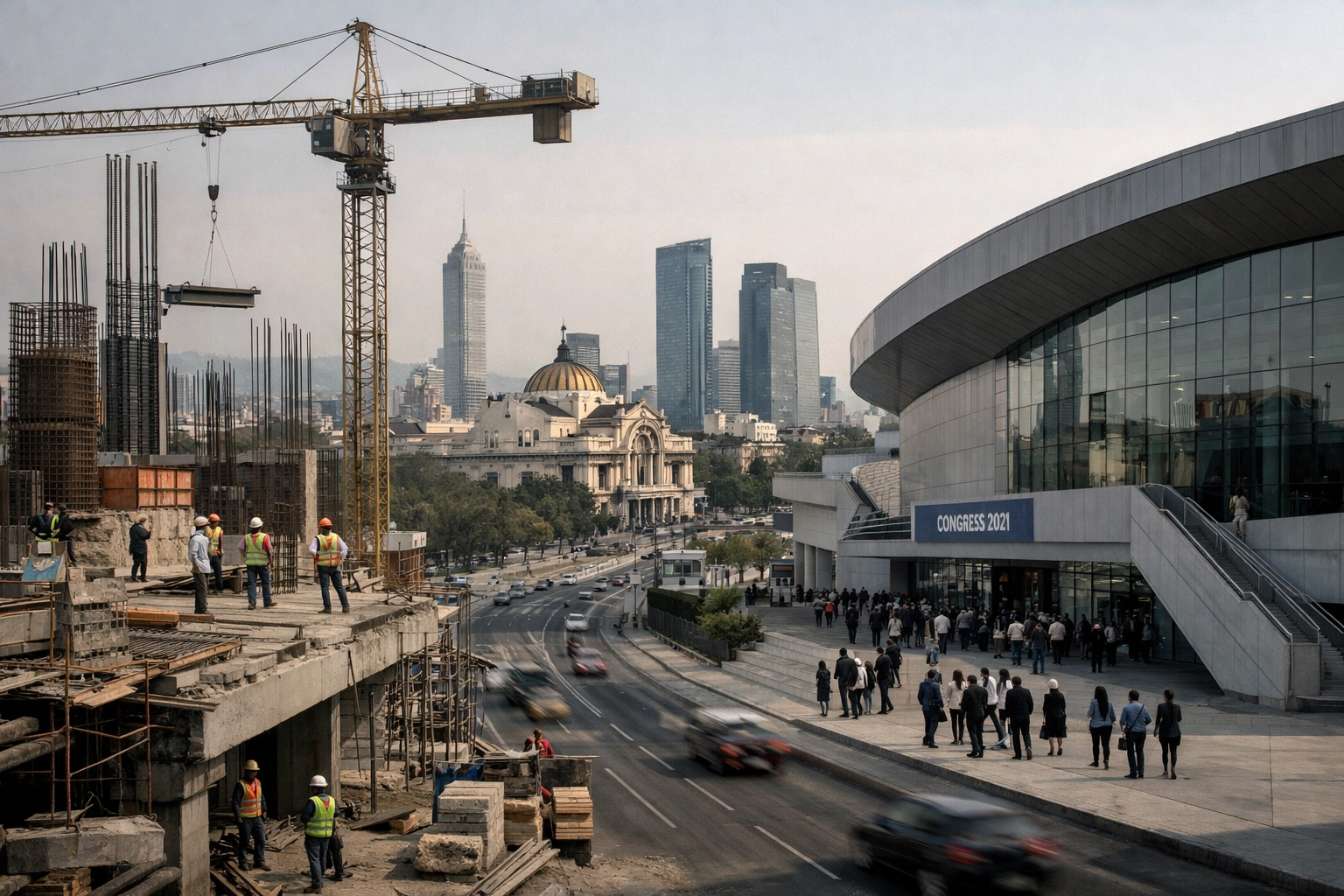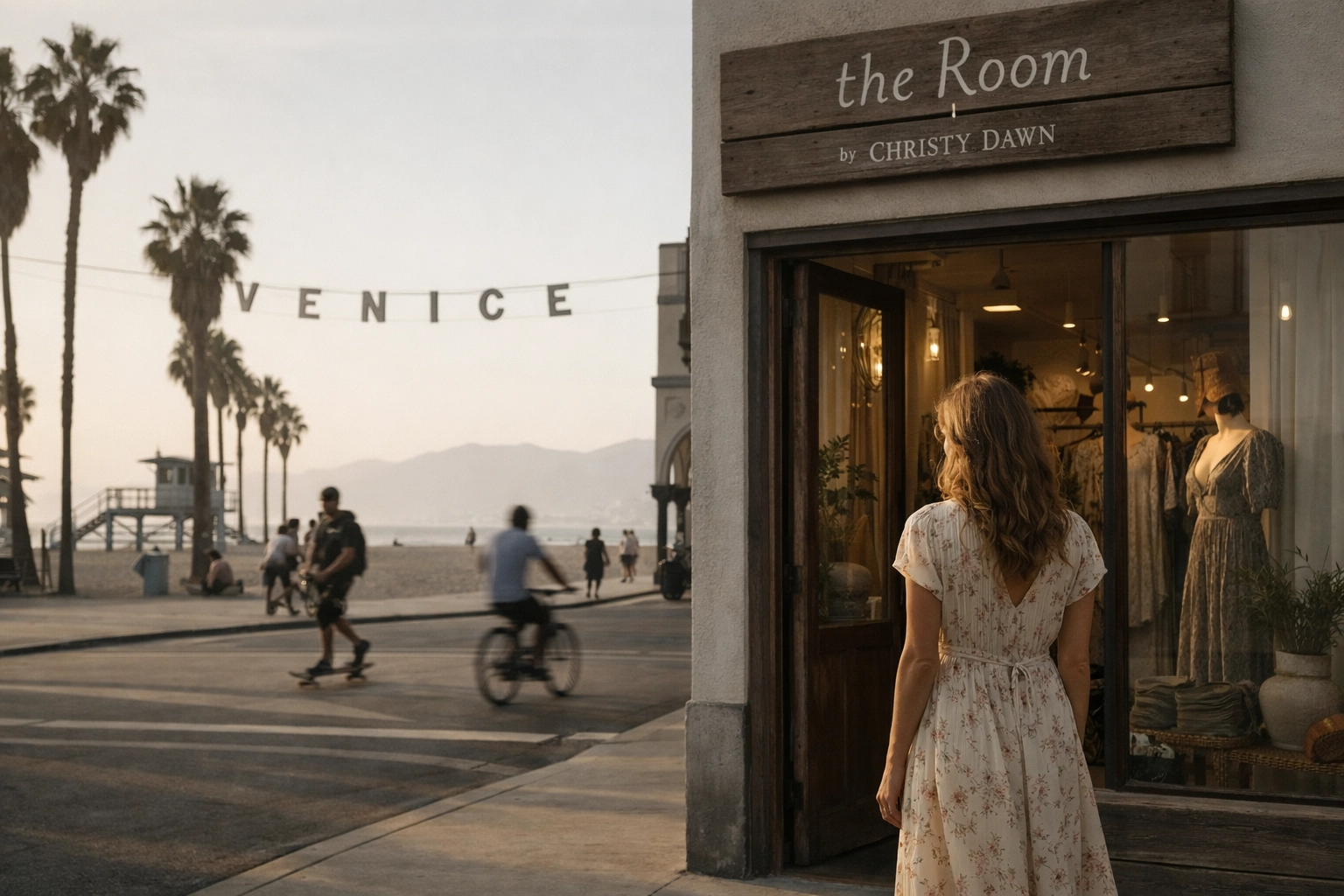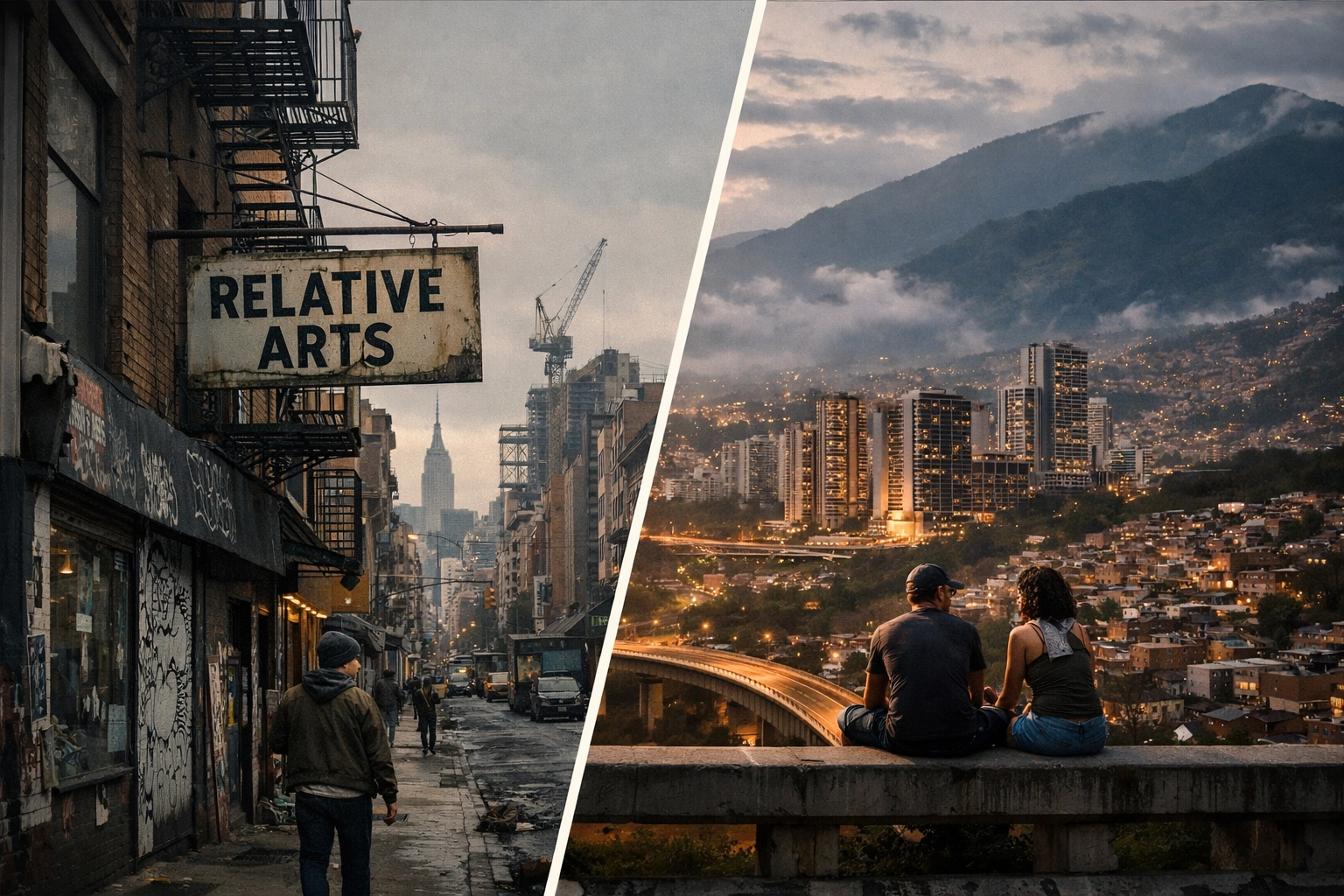
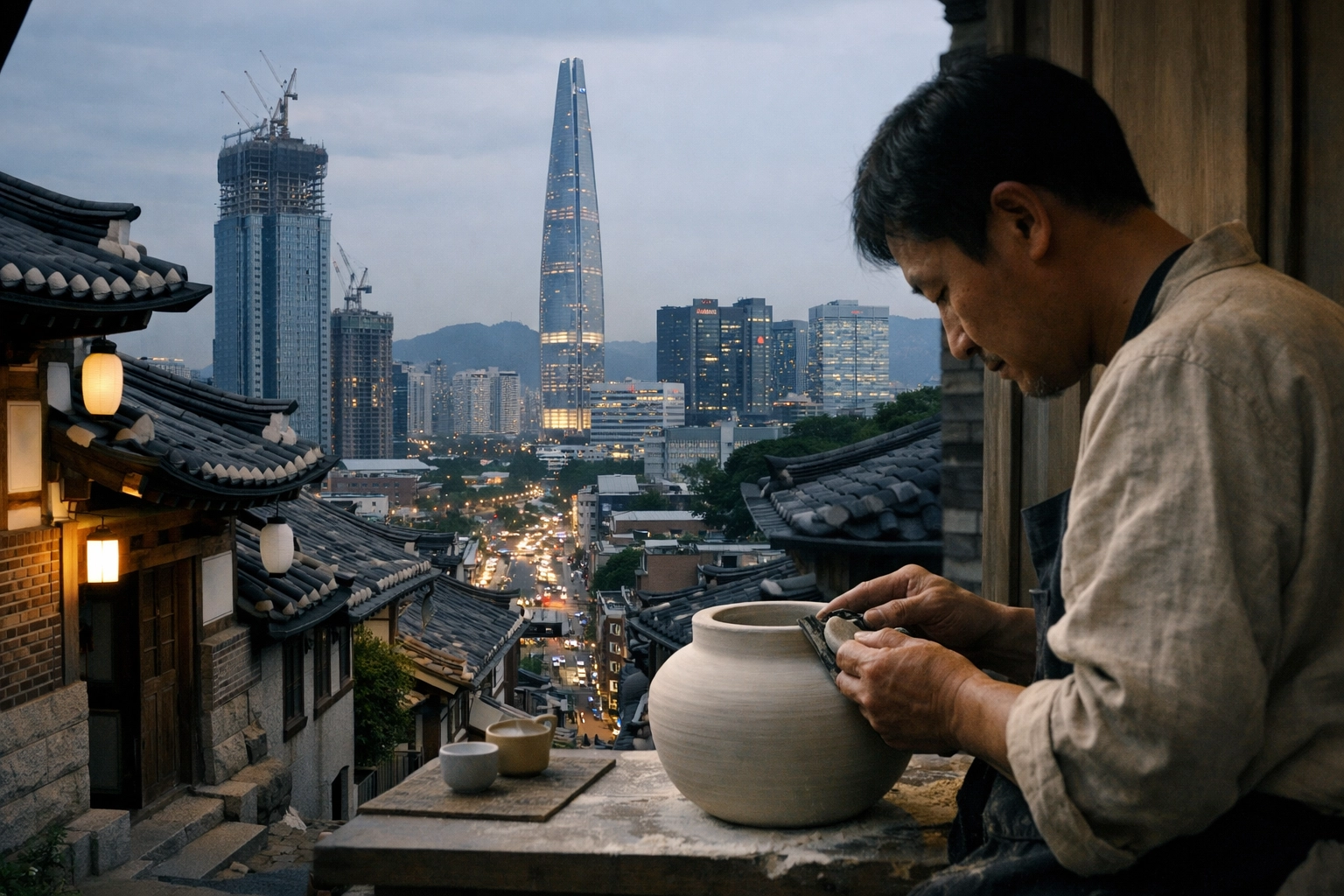
Tradition is often treated like a museum exhibit, something to be preserved under glass, admired from a distance, and never touched. But in the bustling creative hubs of Seoul, tradition isn't a relic; it’s a living, breathing raw material. It is a set of codes waiting to be hacked.
At bcdW, we spend our time looking for the "dots" that connect disparate geographies. Usually, these dots are logistical or financial. But occasionally, the most profound connections are aesthetic and philosophical. This is the story of Ahhorn, a Korean design house that is currently redefining what "Made in Korea" means for a global audience, and why their vision finds a strange, beautiful echo in the creative corners of Medellín.
The Fabric of Air: Hansan Ramie and the Modern Cut
To understand Ahhorn, you have to understand Mosi, Hansan ramie. For over a millennium, this fine, hand-woven fabric has been the height of Korean summer elegance. It is translucent, structural, and incredibly difficult to produce. In a world of fast fashion and synthetic blends, ramie is an act of defiance. It is "the fabric of air."
Ahhorn doesn't use ramie to recreate the past. They use it to architect the future. By taking the sharp, geometric lines of the traditional Hanbok and stripping away the ceremonial weight, they’ve created a silhouette that feels as home in a boardroom in Manhattan as it does in a tea house in Bukchon.

But the innovation doesn't stop at the weave. Ahhorn has embraced a circular design philosophy that mirrors the shifts we are seeing across the Pacific. They are experimenting with recycled materials, blending the ancient durability of hemp and ramie with modern regenerated fibers. It is not just sustainable fashion; it is regenerative heritage. They are asking a fundamental question: How do we carry our ancestors' wisdom without carrying their ghost?
The "Room-Sized" Ambition: From Seoul to Medellín
We recently explored a concept that defines the new creative economy: a store the size of a room. We were looking at Tigre de Salón in Medellín, a brand that built a global reputation from a tiny, curated space.
There is a striking parallel between the way Ahhorn operates in Seoul and how Tigre de Salón operates in Colombia. Both brands reject the "mass-market" mandate. They don't want to be everywhere; they want to be exactly where they are, with absolute intentionality.
When we look at Ahhorn’s presence in events like Seoul Fashion Week, we don’t see a brand trying to mimic European luxury houses. We see a brand that understands the power of the "local-to-local" connection. They are speaking to a specific Seoulite identity, one that is tech-forward but spiritually grounded, and finding that this identity resonates with "insider" audiences worldwide.
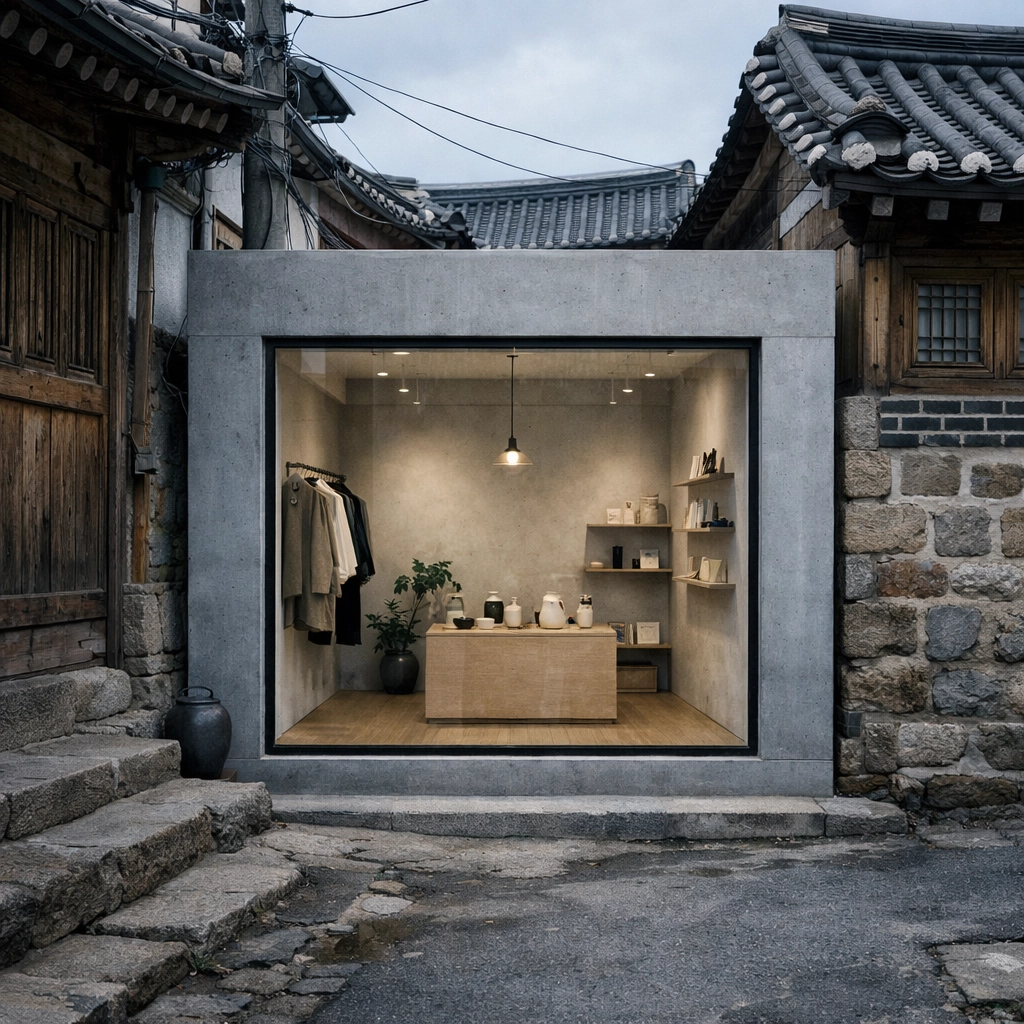
This is the bcdW thesis in action. The most consequential business connections aren't happening between giant conglomerates anymore. They are happening between high-conviction brands that share a "design DNA," even if they are separated by 15,000 kilometers of ocean.
The Joint Object: A Convergence of Cosmologies
Imagine, for a moment, a collaboration that transcends a simple product drop. What happens when the "fabric of air" from Korea meets the earthy, tactile craftsmanship of the Colombian Andes?
If Ahhorn were to partner with Tigre de Salón, the result wouldn't be a garment. It would be an object of cosmology. We envision a "Nomadic Partition", a room divider that utilizes Ahhorn’s structural ramie to play with light and shadow, framed by the hand-finished wood or leather accents that Tigre de Salón is known for.
In Korean tradition, the O Bang Saek (the five directional colors) represent a harmony of the universe. In Colombian craft, there is a deep, visceral connection to the earth and the textures of the mountains. A joint object would blend these two worldviews. It would be a piece of "civic infrastructure for the home," allowing a modern professional in a high-rise in Singapore or a loft in São Paulo to define their space with intention.
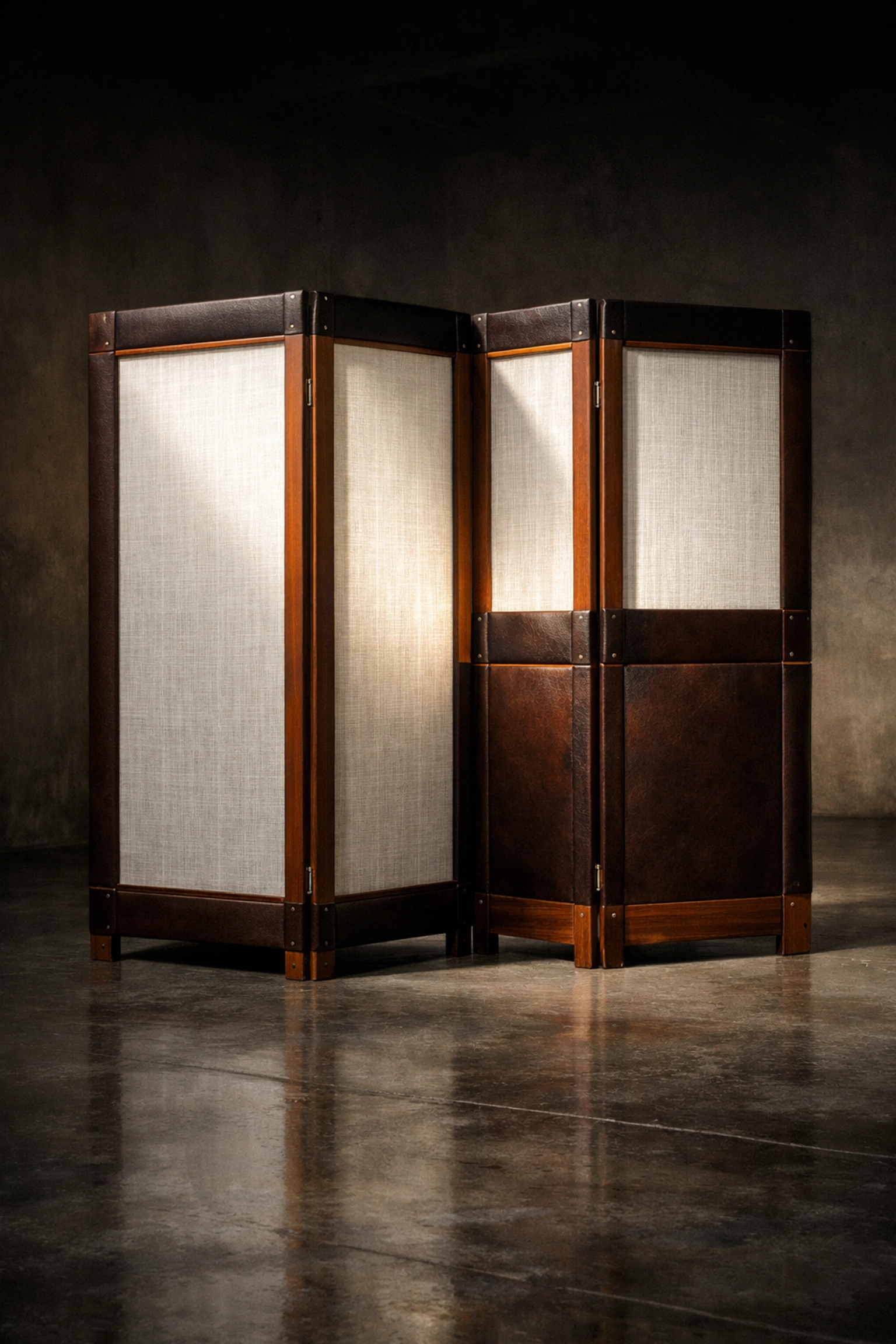
This is not just an artistic exercise. It is a market signal. The "Global Human Mobility" of the 21st century isn't just about people moving; it’s about the mobility of craft. When a brand like Ahhorn reimagines tradition, they are creating a portable culture that can be integrated into any city, anywhere.
Beyond the Aesthetic: The Strategic Shift
Why does this matter to the readers of bcdW Magazine? Because the way Ahhorn handles tradition is a masterclass in Global Mobility Strategy.
Most companies entering a new market try to "localize" by watering down their identity. They try to blend in. Ahhorn does the opposite. They double down on their "Seoul-ness," but they translate it into a language of modern minimalism that is universally understood. They aren't selling a costume; they are selling a perspective.
This is the "Digital Bridge" we often discuss at bcdW. It’s about using virtual expertise and local storytelling to prepare a market for a physical arrival. Ahhorn’s digital presence, its editorial elegance and clear brand voice, acts as a scout for its physical products. By the time an Ahhorn piece arrives in a boutique in Medellín or Los Angeles, the "dot" has already been connected in the consumer's mind.

The New Silk Road is Local-to-Local
We are moving into an era where the "country" is too large a unit of measurement. As we argue in our City category, the real action is happening between Seoul and Medellín, or Bogotá and Bangkok.
Ahhorn is a catalyst for this shift. They represent a generation of designers who are no longer seeking validation from the traditional fashion capitals of the West. Instead, they are looking sideways, connecting with other cultures that value the "slow," the "small," and the "significant."
The use of ramie and recycled materials is a functional choice, yes. But it’s also a political one. It says that we can innovate without erasing. It says that the future of design is not a monoculture of glass and steel, but a tapestry of local stories woven together with global precision.

Conclusion: Who Moves First?
As we watch Ahhorn continue to redefine the Seoul design landscape, the question isn't whether their model of "modern tradition" will succeed globally. It already is. The question is which cities and which brands will be the first to reach across the map and build the bridge.
The connection between the Americas and Asia is being re-stitched, one thread at a time. Whether it’s through a 3,600 sqm logistics center in California or a room-sized store in Medellín, the dots are moving. Ahhorn has shown us that you don't need a massive footprint to have a massive impact. You just need a clear soul and a fabric that knows how to breathe.
What local tradition in your city is waiting for its "Ahhorn moment"? The bridge is open. We’re just waiting to see who walks across it next.
To learn more about how bcdW connects creative ecosystems across the Americas and Asia, visit our About page or explore our Concept Case Studies.