
The American skincare consumer has undergone a fundamental transformation. For years, the market was bifurcated: you either bought luxury "magic in a jar" based on brand prestige, or you visited a dermatologist for clinical solutions that felt like medicine. But the gap between those two worlds has been closing.
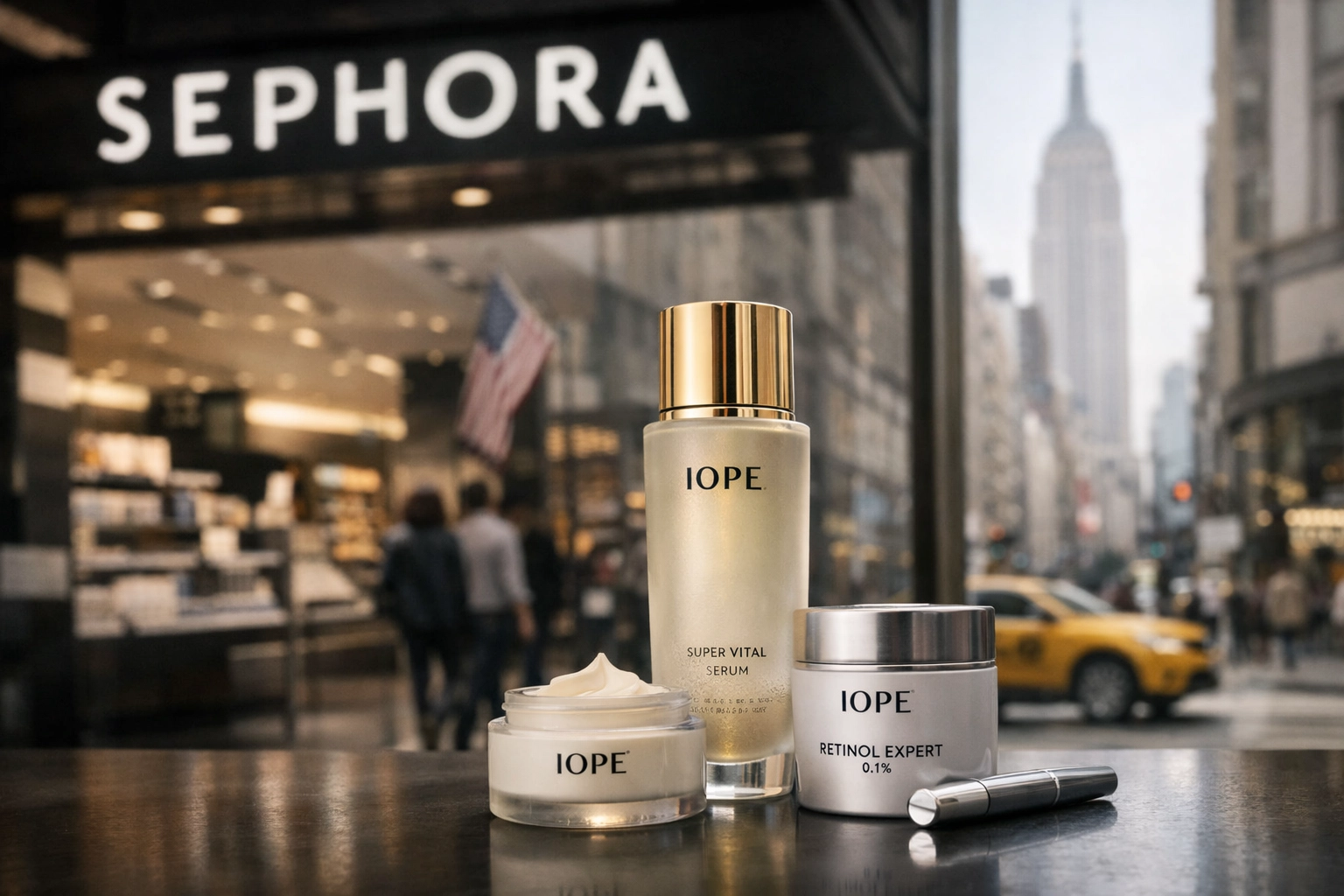
Enter IOPE. On March 2, 2026, the clinical-grade powerhouse from South Korea’s Amorepacific officially landed on American soil through Sephora. While the digital launch is already live, the real movement starts on March 13, 2026, when IOPE hits Sephora shelves nationwide.
This isn't just another K-Beauty brand trying to ride the wave of glass-skin trends. This is a strategic transfer of 30 years of skin-tech infrastructure from Seoul to the United States. IOPE is not selling a lifestyle; it is selling a laboratory.
The Seoul-to-San-Francisco Pipeline
At bcdW Magazine, we often talk about the bridge between the Americas and Asia. Usually, that bridge carries capital or manufacturing logistics. In the case of IOPE, the bridge is carrying intellectual property.
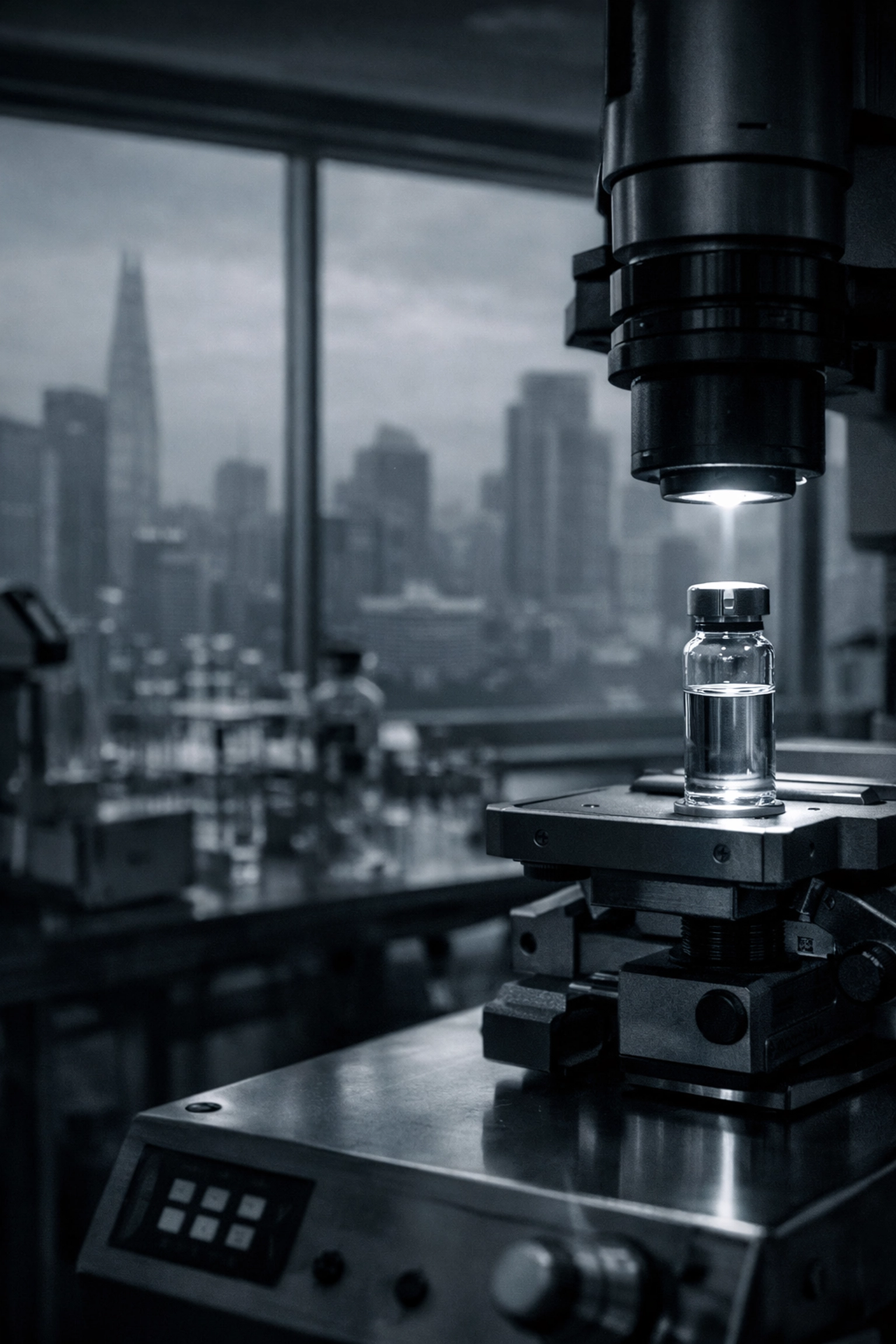
Founded in 1996, IOPE has spent three decades functioning less like a cosmetic brand and more like a biotech firm. With 26 Korean patents and more than a dozen scientific papers published, they have treated the human face as a site of precision engineering. While the US market has spent the last decade obsessed with "clean beauty": a term often criticized for its lack of scientific definition: Korean consumers have been demanding "high-function beauty."
The timing of this US entry is no accident. We are seeing a convergence. The American consumer is now "skintelligent." They know what PDRN is. They understand retinol stabilization. They are looking for the clinical efficacy of a prescription with the accessibility of a retail experience.
Beyond the Trend: The Retinol RX™ Factor
If there is one ingredient that defines the modern skincare era, it is retinol. It is the gold standard, yet it is notoriously difficult to handle. It degrades in light; it irritates the skin; it is chemically temperamental.
IOPE’s flagship entry into the US revolves around their Retinol RX™ technology. Their Retinol RX™ 2% Reti-jection™ Serum ($57) isn't just another bottle on a shelf. It utilizes retinol-infused spicules: micro-structures designed to enhance delivery: to target wrinkles and pore refinement.
This is the "dot" being connected: IOPE is taking a high-barrier ingredient and using proprietary stabilization technology to make it perform better than the competition. In a market saturated with "retinol alternatives," IOPE is doubling down on the original molecule, refined by thirty years of lab work.
The lineup hitting Sephora includes nine targeted products across four core collections:
- XMD: The high-performance clinical line.
- Retinol RX™: The wrinkle-fighting specialists.
- Vitamin C: Focused on stabilization and radiance.
- PDRN Caffeine: Utilizing salmon-derived DNA for skin repair.
The XMD Stem3 Clinical Recovery Serum is perhaps the most ambitious of the lot. Containing a 92.3% PDRN H.A.™ complex, it targets hydration and pore refinement at a structural level. It’s priced at $69, positioning it firmly in the "prestige clinical" category: accessible but authoritative.
The Sephora Exclusive: A Strategic Alliance
Why Sephora? And why now?
For Amorepacific, the U.S. represents IOPE’s second global market after Korea. This is a massive bet on the American appetite for precision. By choosing Sephora as the exclusive retail channel, IOPE is plugging directly into the most sophisticated beauty ecosystem in the West.
As Giovanni Valentini, CEO of Amorepacific North America, noted during the launch, the goal is to provide targeted, clinically tested solutions at a price point that makes sense. In our analysis of market entry strategies, we often see brands fail because they don't understand the local "gatekeepers." Sephora is the ultimate gatekeeper for the American beauty consumer.
But this isn't a one-way street. Sephora needs IOPE as much as IOPE needs Sephora. As the "K-Beauty" category matures, retailers are looking for brands that offer more than just cute packaging or novelty ingredients. They need brands with "white coat" credibility. IOPE provides that institutional weight.

The Human Mobility of Innovation
At bcdW, we view these launches through the lens of Global Human Mobility. It’s not just about products moving across borders; it’s about the movement of expertise. The scientists in Seoul who perfected the stabilization of 40% Vitamin C are now influencing the morning routines of people in Chicago and Miami.
This launch is a signal. It tells us that the "K-Beauty" label is being transcended. We are moving toward a global standard of "Precision Beauty" where the origin of the brand is less important than the clinical data behind the formula.
For the American consumer, the March 13 rollout represents an opportunity to access technology that was previously gated behind international shipping or niche boutiques. For the industry, it is a case study in how to scale a legacy scientific brand in a new, hyper-competitive market.
The Future of the Face
IOPE’s entry also highlights a shift in how we talk about aging. In the past, anti-aging was about "fixing" problems. Today, it’s about "prejuvenation" and structural maintenance.
Products like the PDRN Caffeine Shot Ampoule and the Vitamin C Expert 40% Mask Concentrate treat the skin as a biological system that can be optimized. This systemic view is something bcdW covers extensively in our K-Dash column, where we track the intersection of Korean technology and global business.
The question isn't whether IOPE will find an audience: it's how the rest of the US market will respond. When a brand arrives with 30 years of data and 26 patents, the "marketing-first" brands are forced to level up.
Connecting the Dots
What does IOPE’s Sephora debut tell us about the broader business landscape?
- The Death of the "Gimmick": The US consumer is over the novelty phase of international beauty. They want results. IOPE’s focus on clinical recovery and retinol stabilization meets this demand.
- Strategic Exclusivity: By partnering exclusively with Sephora, IOPE ensures its story is told in the right environment. This is a lesson in brand positioning for any Asian firm looking to enter the Americas.
- Price-Value Convergence: With prices ranging from $6.50 for a mask to $69 for high-end serums, IOPE is playing a sophisticated game of psychological pricing. They are high-end enough to be trusted, but accessible enough to be a daily staple.
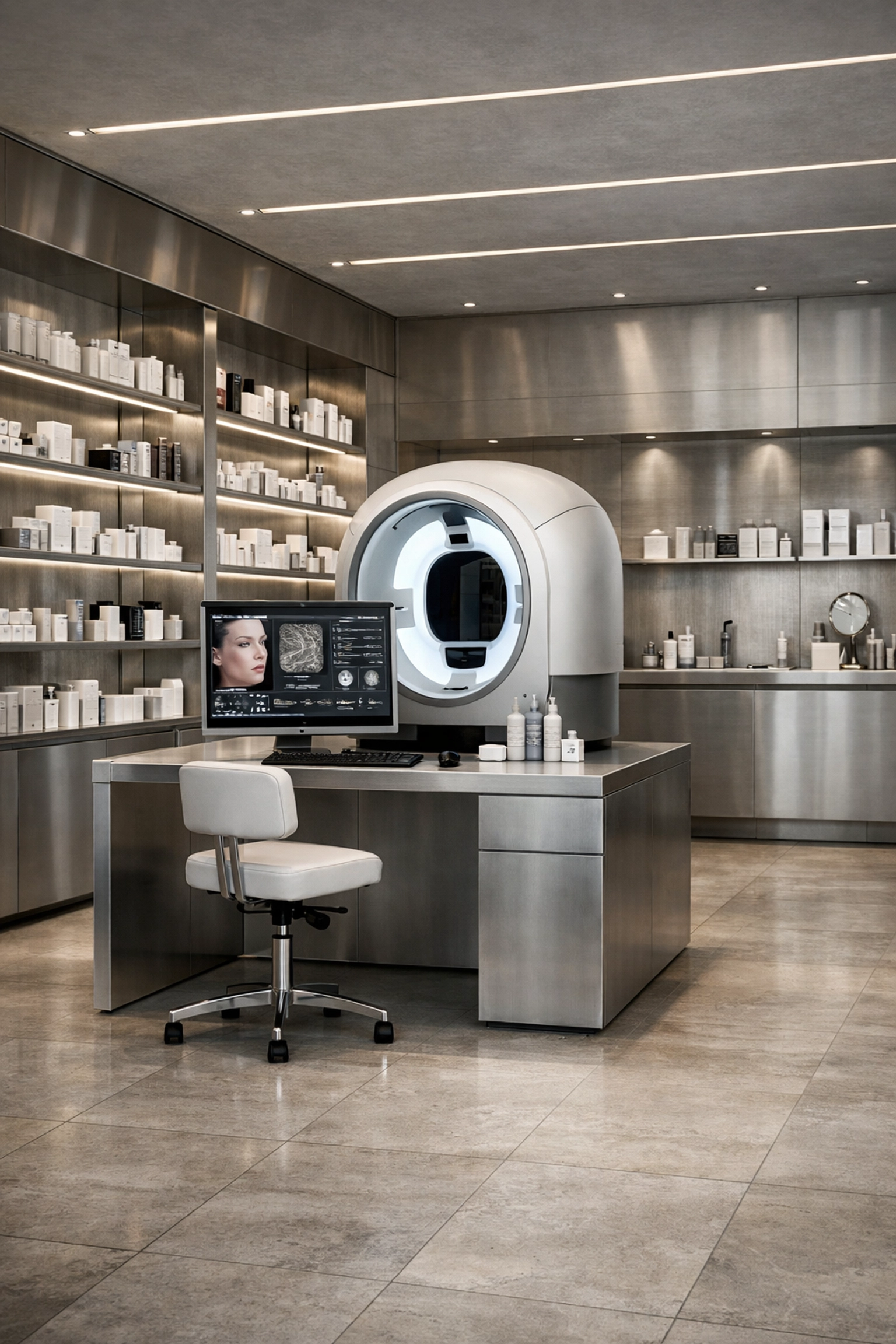
As we look toward the nationwide store rollout on March 13, the focus will be on how IOPE translates its scientific authority to the Sephora floor. Can a sales associate in a Dallas mall explain the benefits of PDRN as effectively as a lab tech in Seoul?
That is the final bridge to cross.
The launch of IOPE is more than a retail event. It is a moment of convergence where Korean clinical rigor meets American consumer scale. For those of us watching the dots connect between these two continents, it’s a clear signal: the future of beauty isn't just about looking good: it’s about the precision of the science that gets you there.
The lab is open. The question is: are you ready for the results?
For more insights into the brands bridging the gap between Asia and the Americas, explore our Company profiles or subscribe to the bcdW newsletter.