
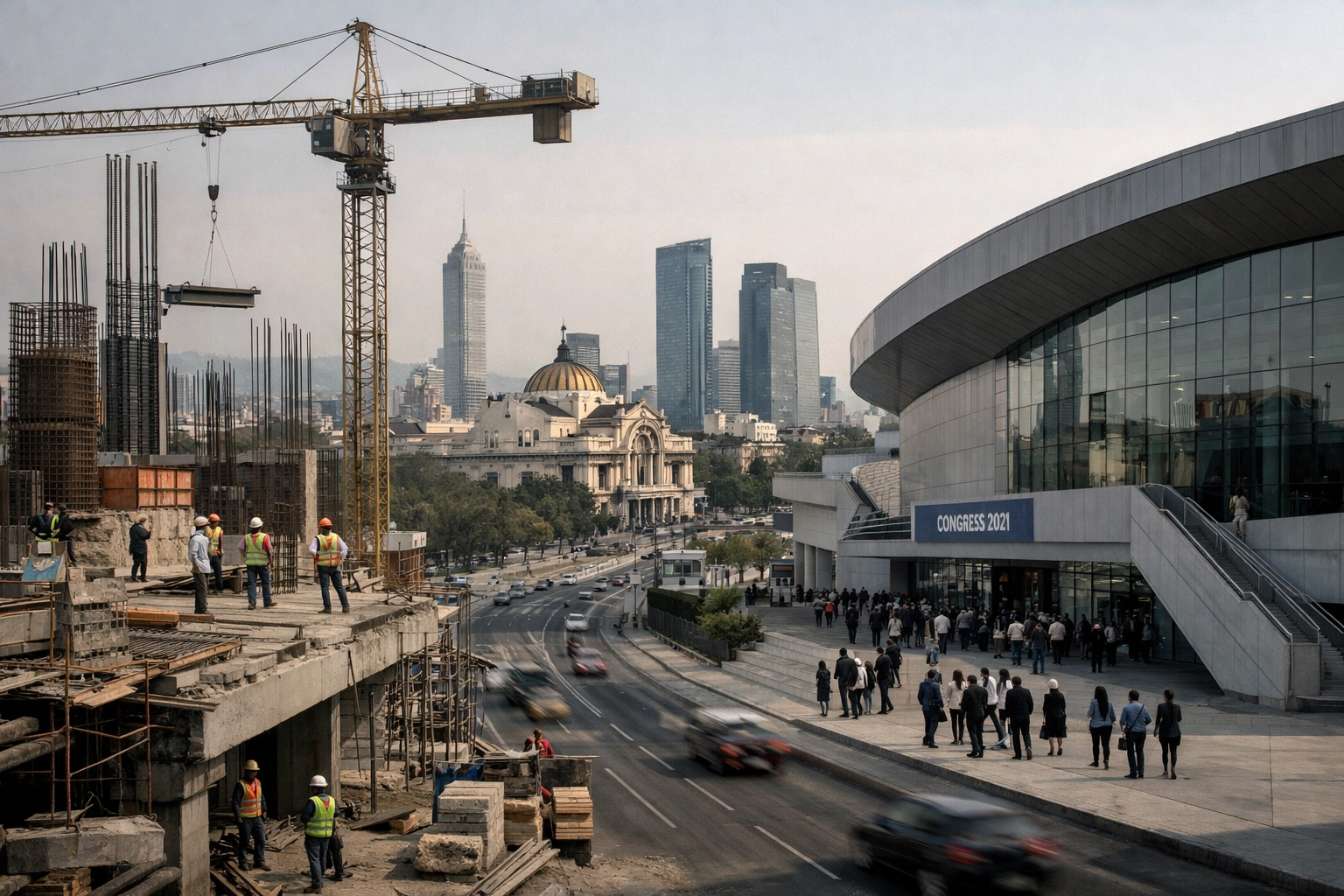
For the global strategist, a city is not a collection of buildings; it is a series of flows. Capital, talent, and influence move along paths of least resistance. When those paths are obstructed by aging transit or disconnected hubs, the city loses its seat at the global table. Mexico City (CDMX), long the cultural heartbeat of the Americas, is currently undergoing a structural transformation that seeks to redefine its role in the global MICE (Meetings, Incentives, Conventions, and Exhibitions) industry.
The investment: exceeding US $1 billion: is ostensibly framed around the 2026 FIFA World Cup. But to view this merely as a preparation for a sporting event is to miss the strategic signal. This is not just about hosting a tournament; it is about building the civic infrastructure required to secure high-value international business bids for decades to come.
The Nervous System: AICM and the AIFA Connection
At the heart of any MICE strategy lies the airport. A convention center is only as valuable as the ease with which a thousand executives can reach it from Seoul, Singapore, or San Francisco. Mexico City is currently managing a delicate dual-airport system that requires seamless integration to function as a global gateway.
The renovation of the Mexico City International Airport (AICM) terminals, a US $26.4 million undertaking, represents a necessary stabilization of the city’s primary entry point. However, the more ambitious project is the physical and digital bridge being built toward the Felipe Ángeles International Airport (AIFA). The construction of a dedicated train line connecting the city center to AIFA is the "missing link" in the city's human mobility framework.
When a city bids for a global summit, the first question asked by organizers is not about the quality of the catering, but the friction of the commute. By rehabilitating 250 kilometers of primary roads and expanding the light rail and trolleybus networks, CDMX is signaling to the world that it is solving the "last mile" problem. For business travelers, time is the only non-renewable resource. A city that preserves it earns a competitive edge.
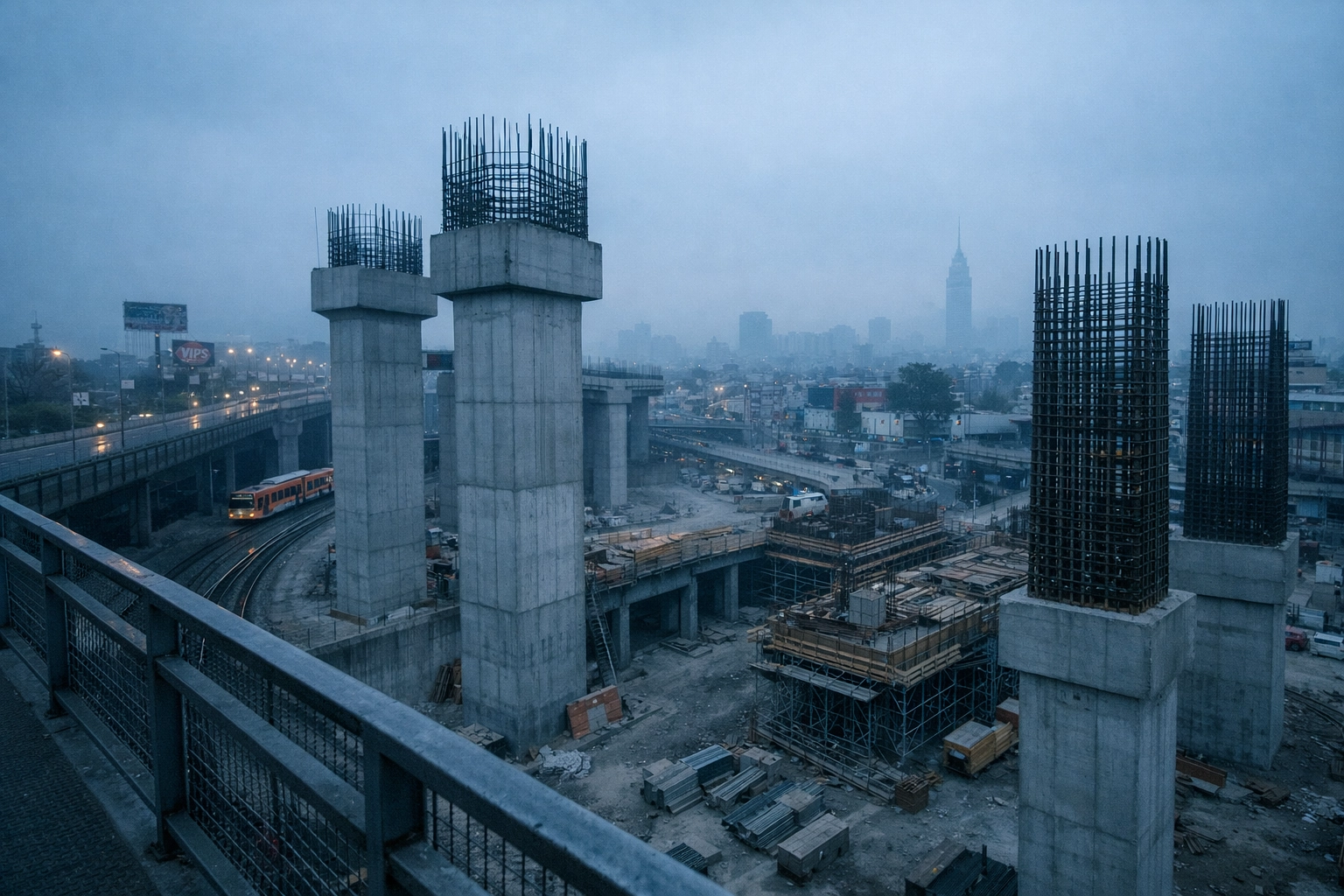
Photo: Mexico City Ministry of Works and Services
Not a Stadium, But a Boardroom: The World Cup Catalyst
There is a tendency in urban planning to treat "mega-events" as temporary spikes in activity. bcdW views them differently: as catalysts for permanent structural shifts. The infrastructure being laid today in the shadow of the World Cup is designed to serve as the backbone for the international MICE sector.
The MICE industry: Meetings, Incentives, Conventions, and Exhibitions: is the highest-yield segment of the travel economy. It requires a specific kind of urban density: world-class venues, reliable high-speed connectivity, and a sophisticated hospitality layer. The current $1 billion investment into urban services and public transport is essentially a down payment on CDMX’s future as a primary hub for the Americas-Asia business axis.
As companies look toward U.S. market entry strategy, Mexico City is positioning itself as the logical staging ground. It offers the proximity to North American markets with the operational flexibility of a major Latin American metropolis. But to capture this, the city must move beyond its reputation for "chaos" and toward a reputation for "coordination."
The Digital Overlay: Conoce México
Infrastructure in 2026 is no longer just concrete and steel; it is data. The development of the "Conoce México" bilingual tourism app is a signal of the city's intent to digitize the visitor experience. While marketed toward tourists, the implications for the business traveler are profound.
A seamless digital interface that integrates cultural events, gastronomic recommendations, and: crucially: transportation logistics, reduces the cognitive load on international delegates. In the MICE world, the "user experience" of the city is what drives repeat bids. If a tech summit from Shenzhen or a fintech conference from São Paulo finds that their attendees can navigate the city with the same ease as a digital native in Tokyo, the city’s value proposition doubles.
This digital layer works in tandem with the physical Global Human Mobility programs that bcdW monitors. As talent moves more fluidly across borders, the cities that provide the most "readable" urban environments will win the battle for residency and regional headquarters.
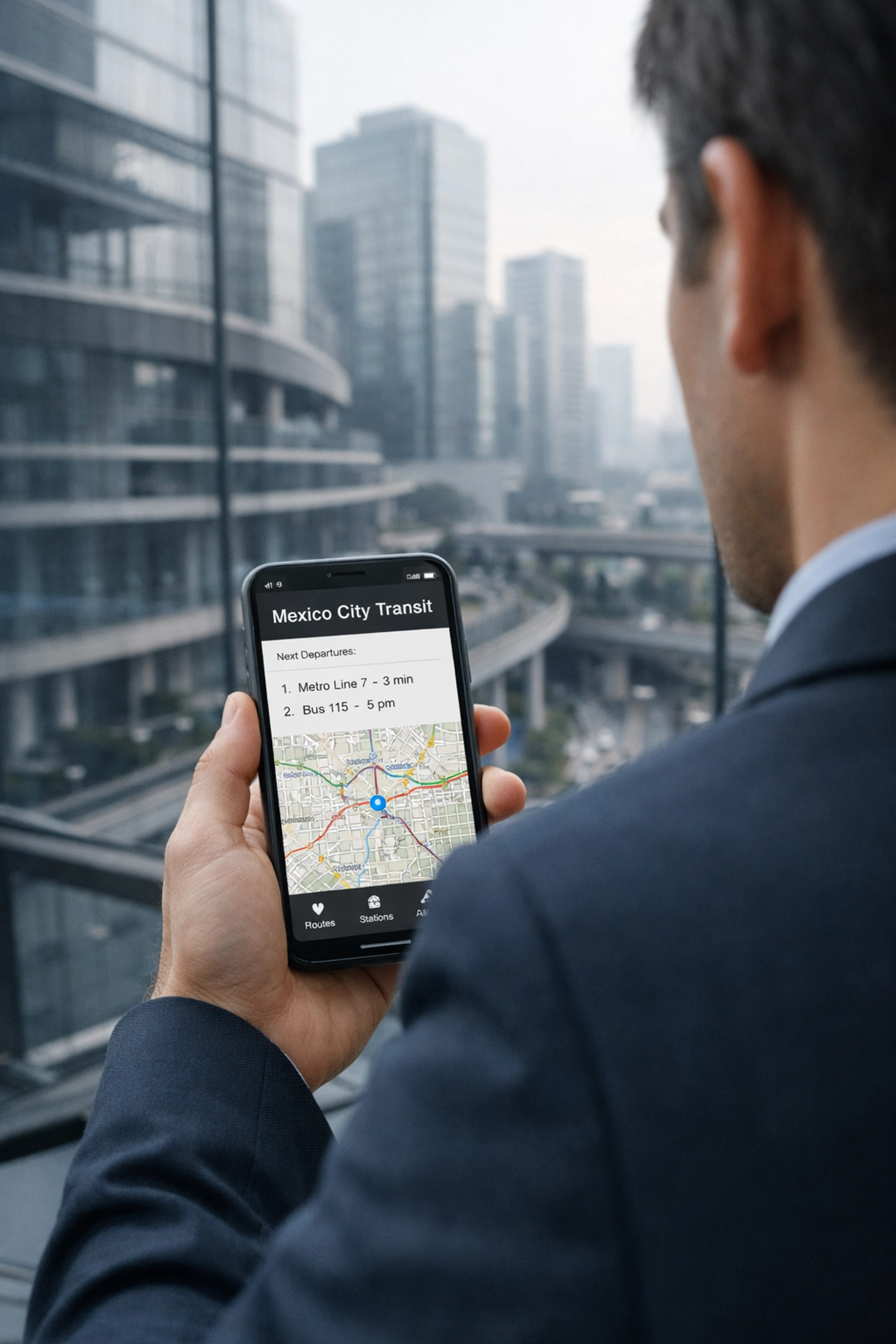
Photo: Government of Mexico City / Digital Transformation Agency
The Americas-Asia Convergence
Why does this infrastructure surge matter for the bcdW reader? Because Mexico City is the natural bridge between two continents. The shift in global manufacturing and supply chains has brought Asian capital to the doorsteps of the Americas. Companies from the Southern Cone and Southeast Asia are increasingly finding common ground in the meeting rooms of Polanco and Santa Fe.
The MICE industry is the physical manifestation of this convergence. It is where the "dots" are connected in real-time. A city that can host 50,000 delegates without paralyzing its own internal transit is a city that can manage the complexities of 21st-century trade.
CDMX is not just competing with Monterrey or Guadalajara; it is competing with Toronto, Singapore, and Dubai. The massive rehabilitation of its road networks and the expansion of its light rail are the prerequisites for entering that tier of global cities. It is a move from a regional capital to a global node.
The Strategic Conclusion
A $1 billion investment is a statement of intent. It suggests that the government of Mexico City understands that its "status as a global cultural hub" is not a static asset to be guarded, but a dynamic one to be leveraged. By focusing on infrastructure that benefits both the resident and the international visitor, the city is creating a sustainable model for growth.
The question for investors and operators is no longer whether Mexico City has the capacity to host the world: it is how quickly they can integrate their own U.S. market entry strategy into this newly expanded urban framework. The roads are being paved, the trains are being built, and the digital maps are being drawn. The dots are there; the task now is to connect them.
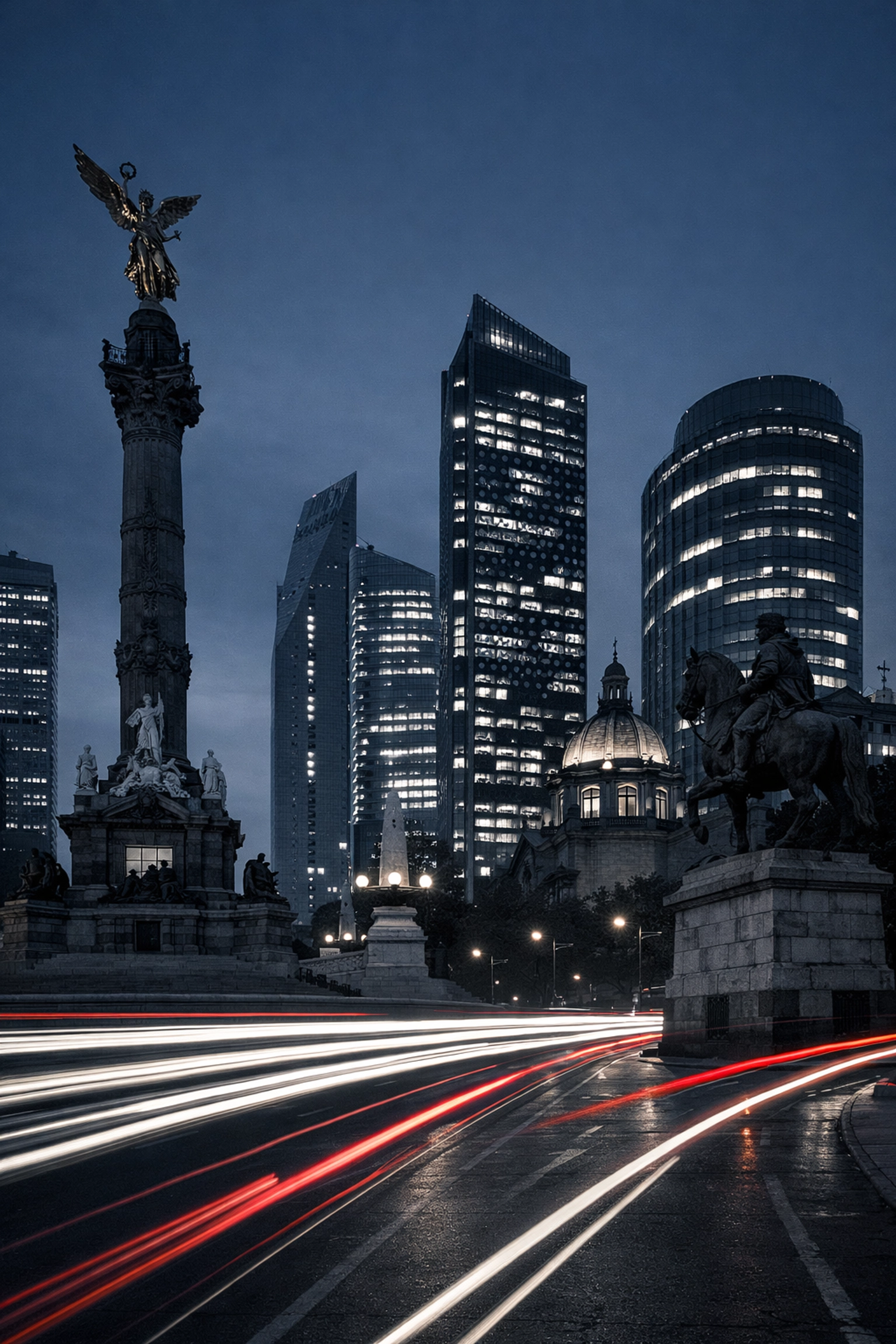
Photo: bcdW Magazine / Documenting Urban Transformation
For those navigating the complexities of global mobility and market expansion, the evolution of Mexico City offers a masterclass in how a city can use a single event to redefine its entire economic identity. The World Cup will come and go, but the infrastructure will remain: a silent, powerful engine for the next generation of international business.
Category: News, Americas
Tags: Mexico City, MICE, Infrastructure, International Summits
Target Keywords: U.S. market entry strategy, global mobility consulting
Excerpt: Mexico City is investing over $1 billion in infrastructure, from airport expansions to road rehabilitation, to transform the city into a global MICE powerhouse ahead of 2026. This strategic shift positions CDMX as a critical bridge for business between the Americas and Asia.
Source: Mexico City Government (https://www.gob.mx/cdmx)