Category: News, Americas
City: Los Angeles
Industry: Beauty, Retail
Publish Date: 2026-03-10T08:15:00
AI Summary:
Laka, the South Korean beauty brand renowned for its gender-neutral philosophy, has officially entered the United States market through a strategic partnership with Sephora. Launching in 80 physical locations and online, the brand brings its signature inclusive shade ranges and high-performance lip products to American consumers. This move signals a deeper convergence between Seoul’s innovative cosmetic manufacturing and the shifting cultural demands of the North American retail landscape, where traditional gender boundaries in beauty are rapidly dissolving.
Excerpt:
Laka, the South Korean pioneer of inclusive beauty, has made its U.S. retail debut at Sephora. The brand's expansion marks a significant step for gender-neutral and diverse K-beauty styles in the American market.
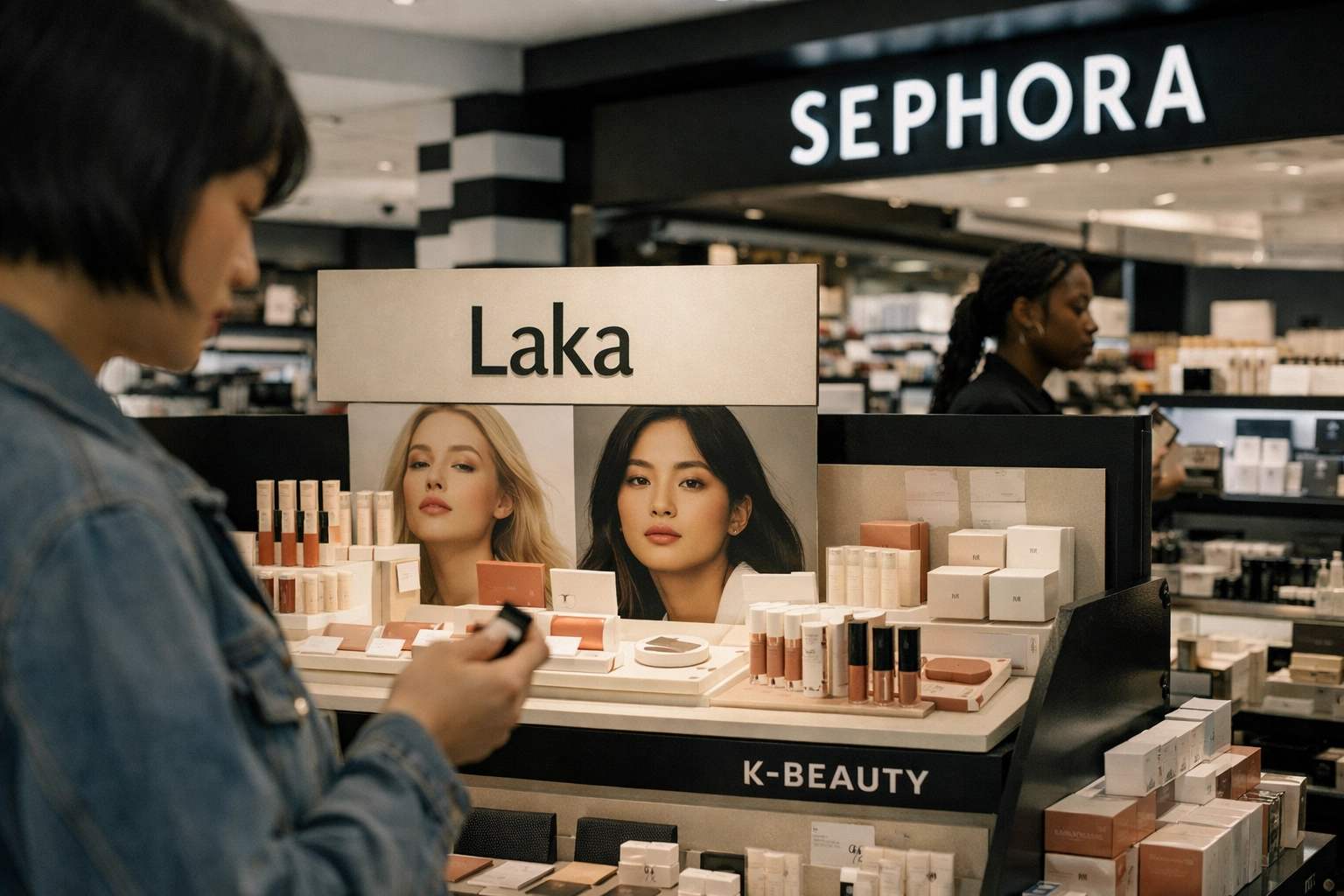
The glow in the Sephora aisles of Century City, Los Angeles, isn’t just a result of high-spec overhead lighting. It is the reflection of a deliberate, calculated shift in the Seoul-to-California beauty pipeline.
Laka, the South Korean beauty house that built its reputation on dismantling the gendered binary of the cosmetics industry, has officially landed on American soil. This is not merely another K-beauty brand occupying a temporary end-cap; it is a strategic insertion into the world’s most competitive retail infrastructure. By launching across 80 select Sephora stores and a comprehensive digital storefront, Laka is testing a hypothesis: that the "inclusive" mandate currently reshaping American culture is perfectly synchronized with the "neutral" aesthetic that Laka perfected in the high-pressure markets of East Asia.
The Seoul-to-LA Cultural Bridge
For the last decade, the narrative of Korean beauty in the Americas was defined by novelty: ten-step routines, glass skin, and playful packaging. But as the market matures, the "novelty" phase has ended. What remains is a sophisticated manufacturing and philosophical engine. Laka’s entry into Los Angeles and the broader U.S. market represents the next evolution of this relationship.
The brand’s debut isn’t characterized by the hyper-feminine tropes often associated with traditional cosmetics. Instead, it arrives with a clinical, minimalist authority. Laka does not see gender as a marketing segment; it sees it as an obsolete data point. In the context of bcdW’s city-to-city lens, this is Seoul’s progressive social infrastructure meeting Los Angeles’s creative, identity-fluid economy.
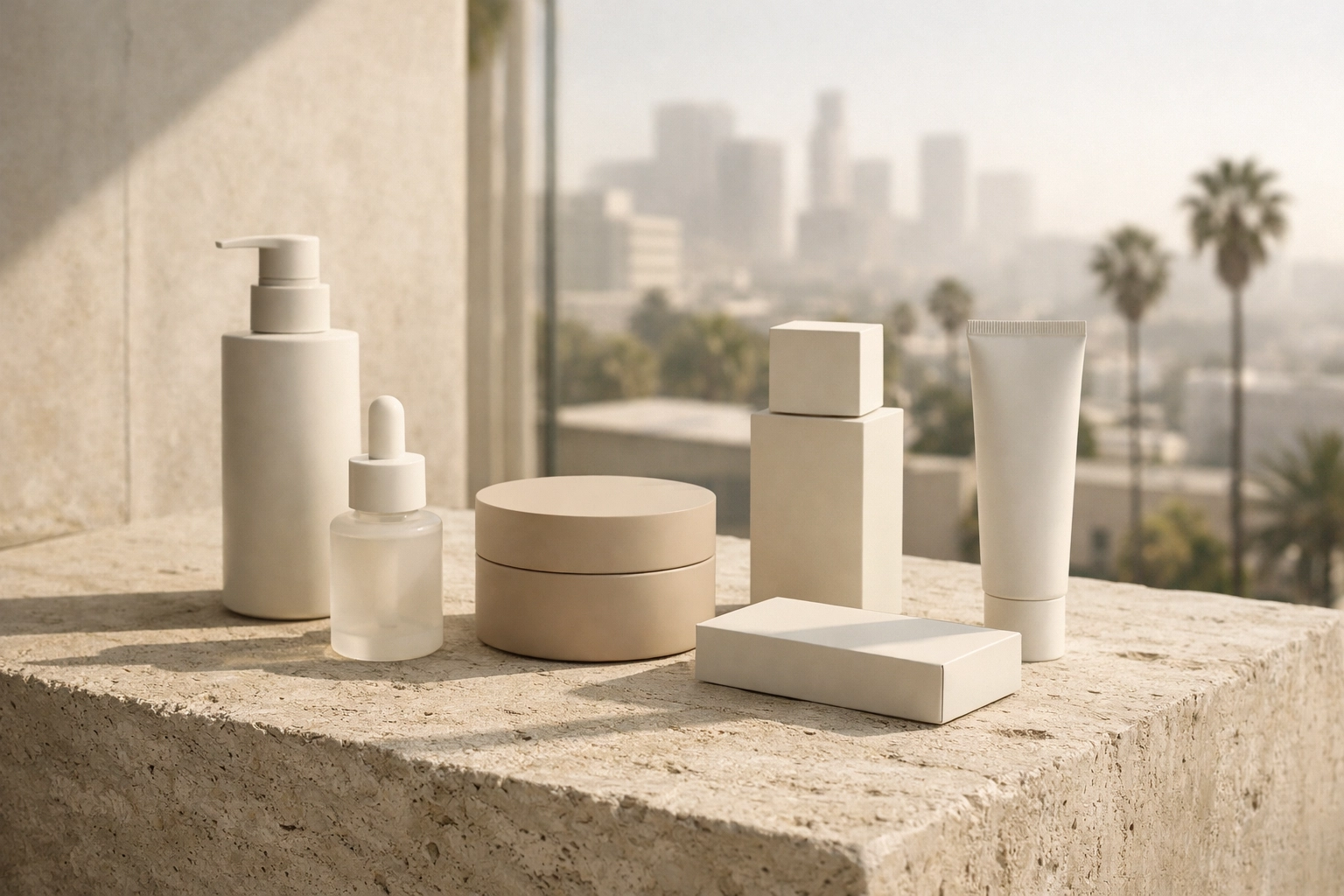
Photo: PR Newswire
Not a Product, But a Philosophy
Laka’s Sephora collection is concentrated on high-performance lip products: a category that serves as the frontline of the "daily comfort" beauty movement. The lineup includes the Fruity Glam Tint ($18), the Bonding Glow High Shine Glossy Lipstick ($16), and the Fruity Lip Glotioner ($18).
To the casual observer, these are simply lip stains and glosses. To a strategist, they are entry-level ambassadors for a larger shift in consumer behavior. Laka’s formulations focus on inclusive shade ranges designed to work across a vast spectrum of skin tones. This is a direct response to a global demand for "universalism" in design. In Seoul, this was an aesthetic choice; in the Americas, it is a commercial necessity.
The brand's philosophy is rooted in the idea that beauty should be as accessible and unburdened as a white t-shirt. By stripping away the gendered messaging that has historically governed the retail experience, Laka is tapping into a demographic of younger, affluent consumers who view their purchasing habits as an extension of their values. This is where the dots connect: a manufacturing hub in Korea identifying a cultural deficit in the American retail market and filling it with surgical precision.
The Retail Infrastructure: Why Sephora Matters
The choice of Sephora as a launch partner is not incidental. In the geography of global retail, Sephora acts as a critical gatekeeper for the American consumer. For a Korean brand to move from an export-only model to a 80-store physical footprint in the U.S. requires more than just a good product; it requires a sophisticated understanding of the American retail "civic infrastructure."
The U.S. retail landscape is a graveyard of international brands that failed to understand the scale of North American distribution. Laka’s rollout suggests a more measured approach. By targeting 80 specific locations: concentrated in hubs like Los Angeles and New York: the brand is prioritizing density of influence over sheer volume. This is a strategic catalyst for long-term brand equity.

Photo: PR Newswire
The Convergence of Two Hemispheres
At bcdW, we often argue that the most consequential connections of the 21st century run between the Americas and Asia. Laka’s expansion is a case study in this convergence. It is the result of a brand that found its product-market fit in the hyper-competitive streets of Myeong-dong and is now translating that success into the language of the American mall.
But this isn't just about commerce; it's about human mobility: the mobility of ideas. The concept of "gender-neutral" beauty was once a niche, fringe element of the industry. Now, via Laka’s presence in Sephora, it is being institutionalized. This transition from the "fringe" to the "shelf" is how cultural norms are redefined in real-time.
Laka is not asking American men and women to change who they are. It is providing the tools for them to exist in the space between established categories. This "space between" is exactly where bcdW operates. Whether it is a fintech solution bridging São Paulo and Jakarta or a beauty brand bridging Seoul and Los Angeles, the underlying mechanism is the same: the identification of a shared human need that transcends geography.
The Strategic Signal
What does Laka’s arrival signal for the future of the beauty industry? First, it suggests that the era of "monocultural" beauty is over. The expectation for inclusive shade ranges is no longer an "extra" feature; it is the baseline requirement for entry into the U.S. market.
Second, it highlights the increasing importance of the "bridge" between the designer and the consumer. Laka’s success will likely depend on its ability to maintain its Korean identity while speaking fluently to an American audience that may not know a single word of Korean but understands the universal language of "inclusive design."
Finally, it underscores the reality that the most successful companies of the future will be those that view the world as a single, interconnected ecosystem. Laka did not wait for the U.S. market to come to them; they designed a product that was globally relevant from the outset and then sought out the infrastructure: Sephora: to deliver it.
Redefining the Standard
As we watch Laka’s performance in the coming quarters, the metrics will tell one story, but the cultural impact will tell another. The question isn't whether Laka can sell a million lip tints. The question is whether Laka’s presence will force American legacy brands to reconsider their own approach to gender and inclusivity.
In the city-to-city dialogue, Los Angeles has always been a laboratory for identity. By introducing Seoul’s advanced cosmetic philosophy into that laboratory, we are witnessing a chemical reaction that will likely redefine the "standard" for what a beauty brand looks like in the 2020s.
The dots have been connected. The bridge is built. Now, the market will decide how many people are ready to cross it.
Source: PR Newswire (https://www.prnewswire.com/news-releases/laka-beauty-inclusive-k-style-hits-sephora-shelves-302145678.html)