Photo: Teysha
Category: News
Tags: Medellín, Fashion/Artisanal
Excerpt: Teysha is redefining the Latin American fashion landscape by bridging the gap between traditional artisan communities and the global design market. Through its collaborative hub in Medellín, the brand transforms handcrafted footwear into a vehicle for cultural heritage and sustainable economic growth.
The fashion industry has spent the last three decades perfecting the art of the "nowhere" product. A sneaker designed in a glass tower in Portland, assembled in a nameless factory in a Special Economic Zone, and shipped to a suburban mall in Ohio is a product without a soul: a triumph of logistics over legacy. But in a quiet corner of Medellín, within the framework of "A Store the Size of a Room," a different narrative is being stitched together. It is a narrative that suggests a boot is not just a piece of footwear, but a piece of civic infrastructure.
Teysha, a brand founded in 2012, has spent over a decade proving that the most consequential economic connections are not those that move the fastest, but those that move with the most intention. By connecting the dots between artisan communities in Guatemala and the vibrant urban energy of Medellín, Teysha is not just selling leather goods; they are building a bridge between the heritage of the Americas and the sophisticated demands of a global market.
The Geometry of a Boot: More Than Leather and Thread
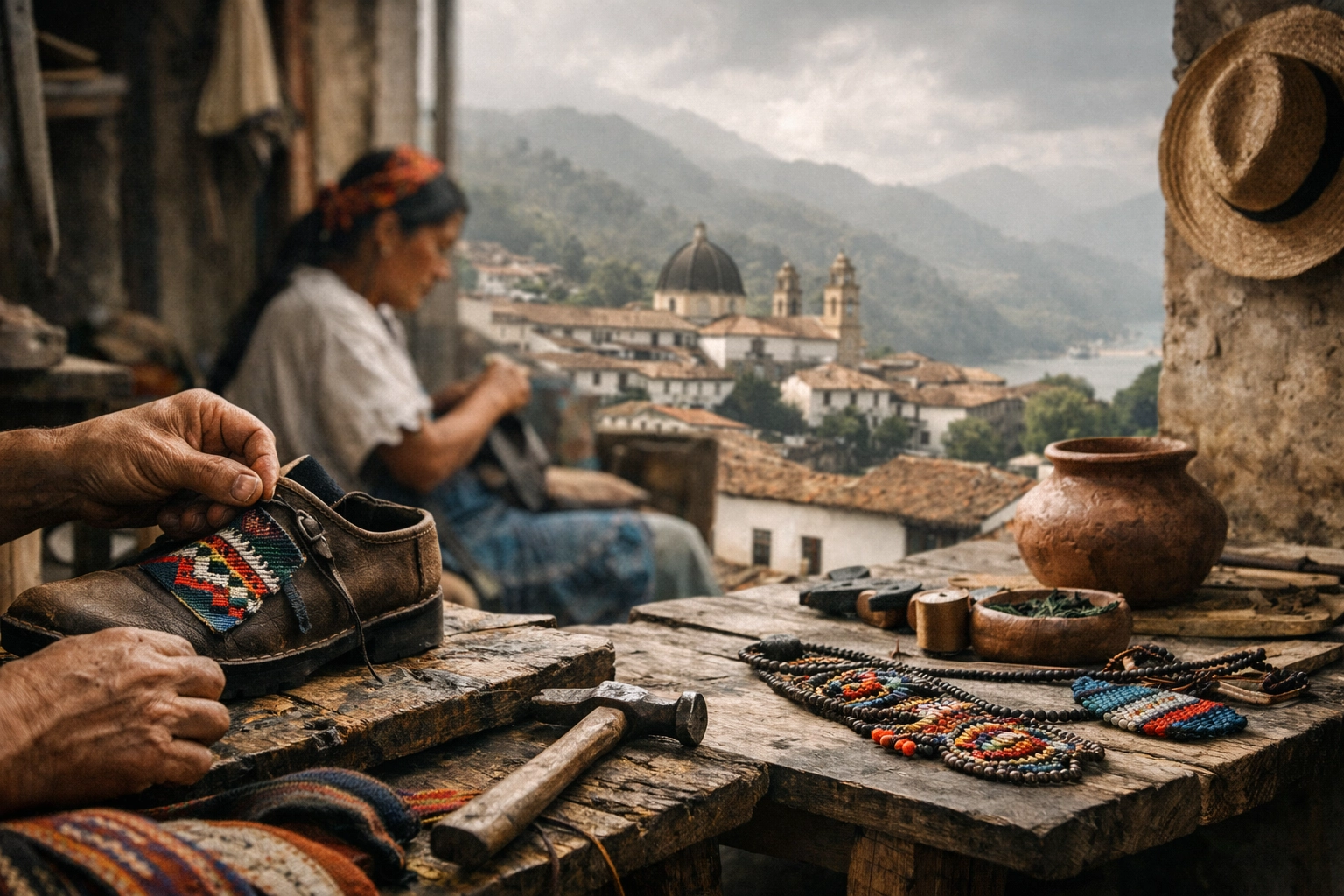
When you look at a pair of Teysha boots, you are looking at a map. The intricate patterns woven into the textiles: often sourced from deep within the volcanic highlands of Guatemala: carry the data of generations. These are not decorative choices made by an algorithm. They are cultural signifiers, "dots" of history that have been preserved through the hands of master weavers.
Teysha is not a shoe company in the traditional sense. It is a strategic catalyst for cultural preservation. By operating a dedicated workshop in Guatemala, they have bypassed the opaque, often exploitative supply chains of the traditional footwear industry. Instead, they have created a "Human Mobility" framework for talent. The artisans are not mere laborers; they are the primary architects of the brand's aesthetic.
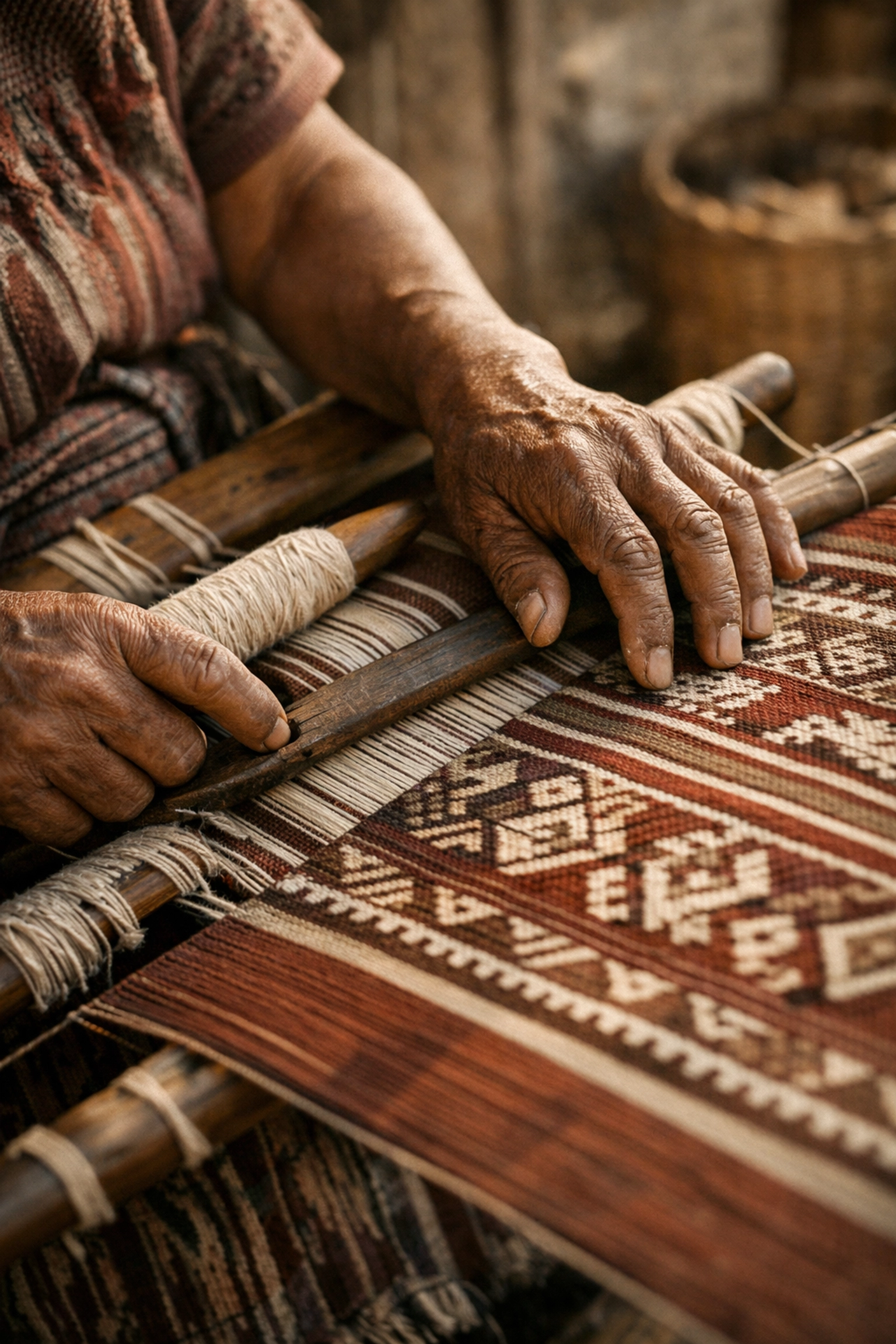
Photo: Teysha
In the bcdW ecosystem, we often talk about the "Digital Bridge": the idea that expertise can be shared virtually before it manifests physically. Teysha embodies this. Their custom, made-to-order model allows a customer in Seoul or New York to participate in the design process, effectively co-creating a product with a weaver in Central America. This is the "Local-to-Local" connection in its purest form: the living room of a design-conscious consumer connecting directly to the loom of a master artisan.
The Antidote to the Algorithm: The Philosophy of Slowness
The modern retail environment is designed for friction-less consumption. We are taught to click, buy, and discard. Teysha’s model is a deliberate challenge to this status quo. Their manufacturing process is intentionally slow. It is not a logistical failure; it is a design philosophy.
A pair of custom boots takes time because quality artisanship cannot be automated without losing the very "signal" that makes it valuable. In our pursuit of efficiency, we have often eliminated the human element, treating craftsmanship as a bottleneck rather than a value-add. Teysha flips this script. By focusing on custom, handcrafted goods, they create a product that the wearer is unlikely to ever throw away. This is sustainability that doesn't rely on marketing jargon; it relies on the emotional and physical durability of the object.
This approach aligns perfectly with bcdW’s vision of "Depth Over Speed." We believe the world doesn't need ten more half-formed observations; it needs one clear insight. Similarly, the world doesn't need ten more pairs of disposable shoes; it needs one pair that carries the weight of a continent's history.
Medellín as the Strategic Catalyst
Why Medellín? Why now?
The inclusion of Teysha in the "A Store the Size of a Room" project at Medellín’s MAMM (Museo de Arte Moderno) is no accident. Medellín has transformed itself from a city defined by its borders to a city defined by its connections. It is a hub where the "Creative Economy" isn't just a buzzword used in government reports, but a lived reality on the streets of El Poblado and Laureles.
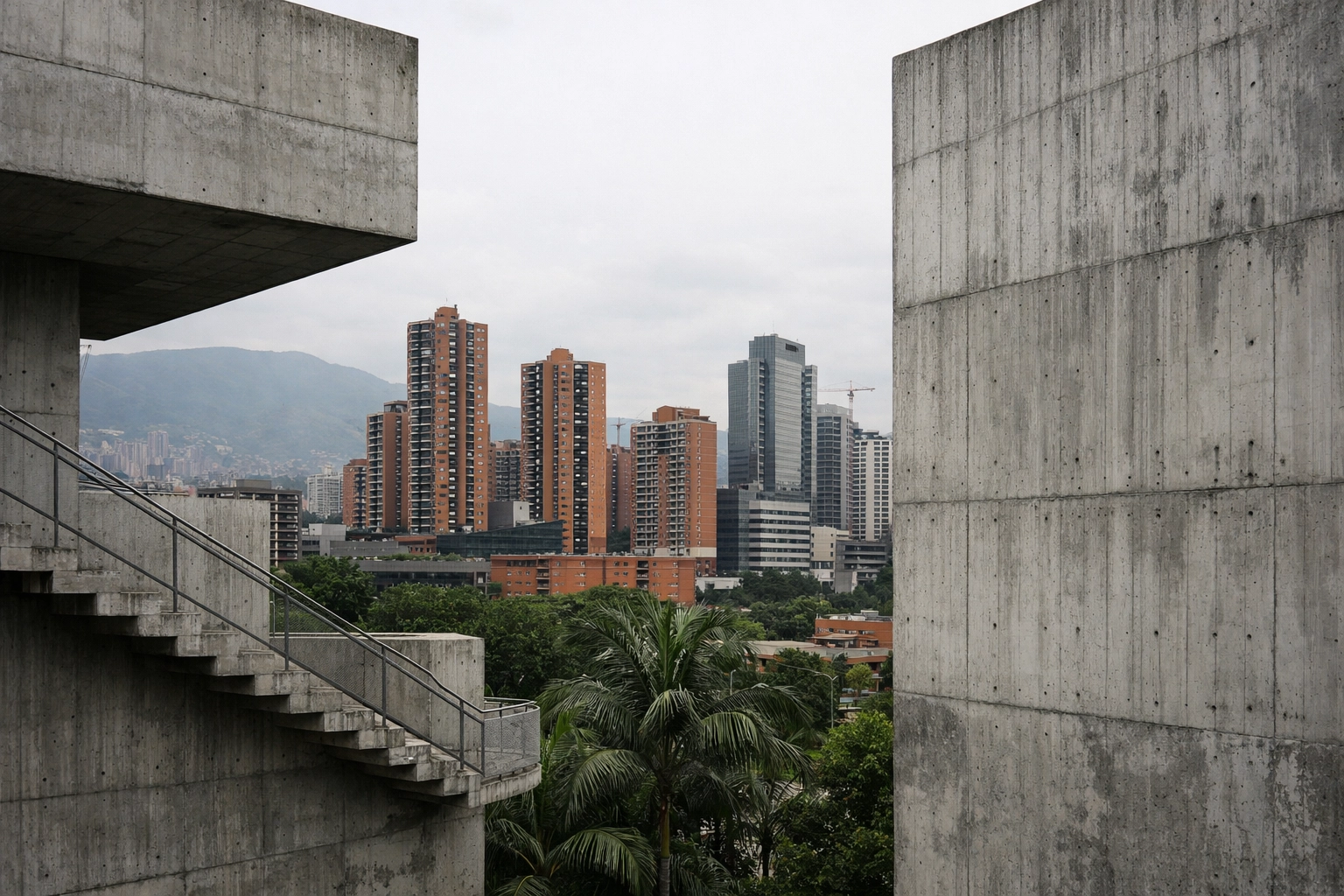
Photo: Teysha
Medellín acts as the urban framework that allows brands like Teysha to scale their message without losing their soul. The city provides the "civic infrastructure" of modern design: the photographers, the strategists, the curators: who can interpret traditional craft for a global audience. When Teysha positions its products within this retail ecosystem, it is signaling that Latin American craft is not "ethnic" or "folkloric" in a pejorative sense. It is ethical luxury. It is a high-level design language that is as sophisticated as anything coming out of Milan or Paris.
The Economics of Heritage: From Charity to Sustainable Luxury
For too long, the conversation around artisanal goods has been framed through the lens of "aid" or "fair trade." While well-intentioned, this framing often traps artisans in a cycle of dependency, positioning their work as something to be bought out of pity rather than desire.
Teysha is redefining this. By pricing their goods between $80 and $150+ and focusing on high-end customization, they are moving the conversation into the realm of sustainable luxury. This is a critical distinction. Luxury is not about price alone; it is about the rarity of the skill and the story behind the object.
When a brand creates flourishing communities through artistic expression, it is building a "Rainmaker" effect. The revenue generated doesn't just buy materials; it funds the "Human Mobility" of the next generation of artisans. It allows a young weaver in Guatemala to see a future in their craft rather than feeling forced to migrate to a city to work in a service job. This is how we protect the "Invisible Human Elements" of our global economy.
Connecting the Dots: The bcdW Perspective
At bcdW Magazine, our job is to reveal connections. The story of Teysha is a story about the space between markets. It is about the line between a traditional workshop in Central America and the high-tech, high-design world of modern Medellín.
We see a pattern appearing. The same way a fintech shift in São Paulo can signal a regulatory opening in Indonesia, the success of Teysha signals a shift in global consumer behavior. People are no longer satisfied with the "Nowhere" product. They are looking for "Somewhere" products: items that are grounded in a specific geography, a specific culture, and a specific set of hands.
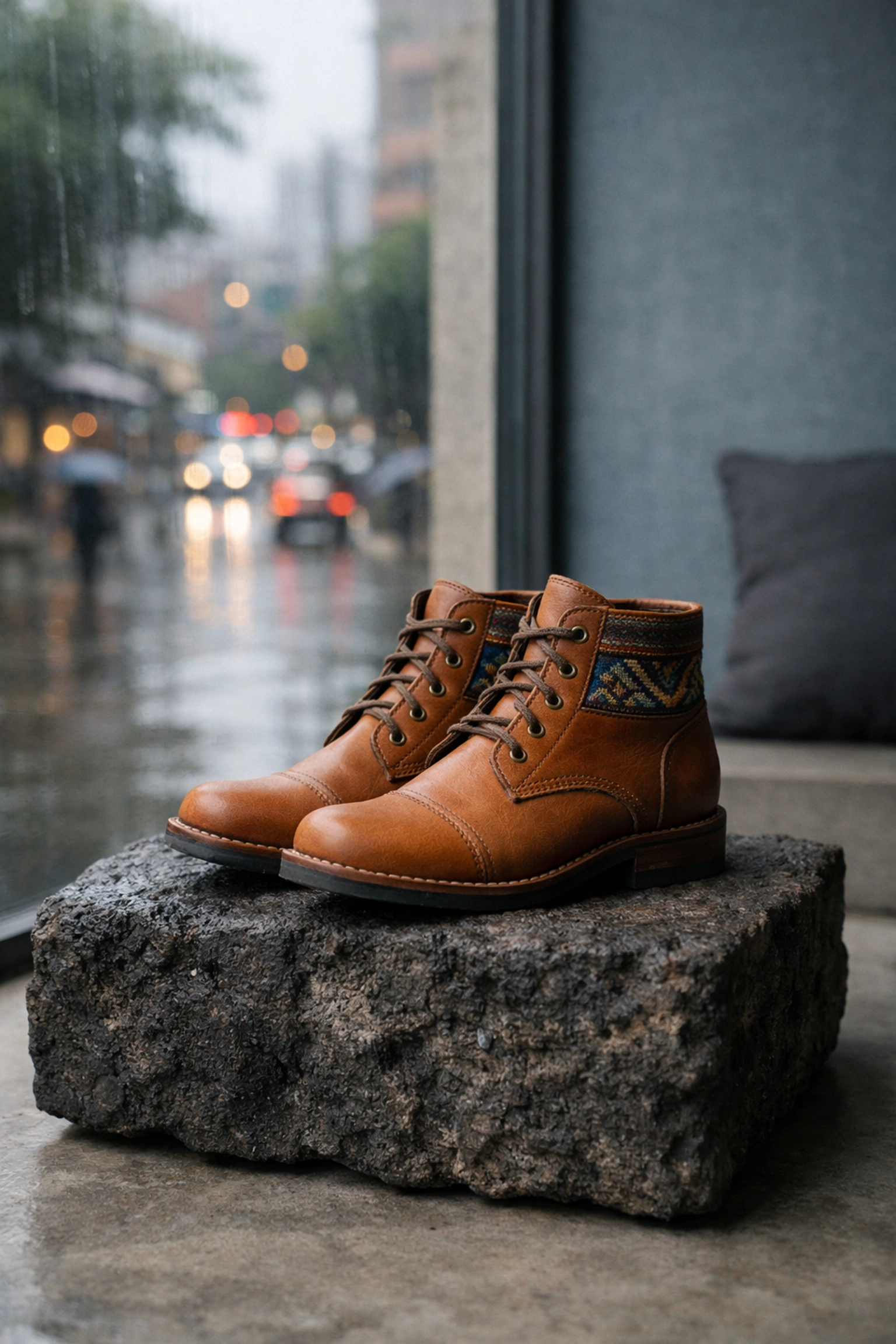
Photo: Teysha
Teysha is not just building shoes; they are building a continent-wide network of adventurers, designers, and activists. They are showing us that the "Future City" is not just a place of steel and glass, but a place where tradition is integrated into the technological and economic systems of the 21st century.
The question isn’t whether this model of slow, intentional, and collaborative craft works across the Americas. The question is who will move first to integrate these "dots" into their own business models. Teysha has already laid the tracks. The journey has begun.
Source: bcdW Magazine (https://bcd-w.xyz/p/a-store-the-size-of-a-room-an-idea-that-has-no-limit)