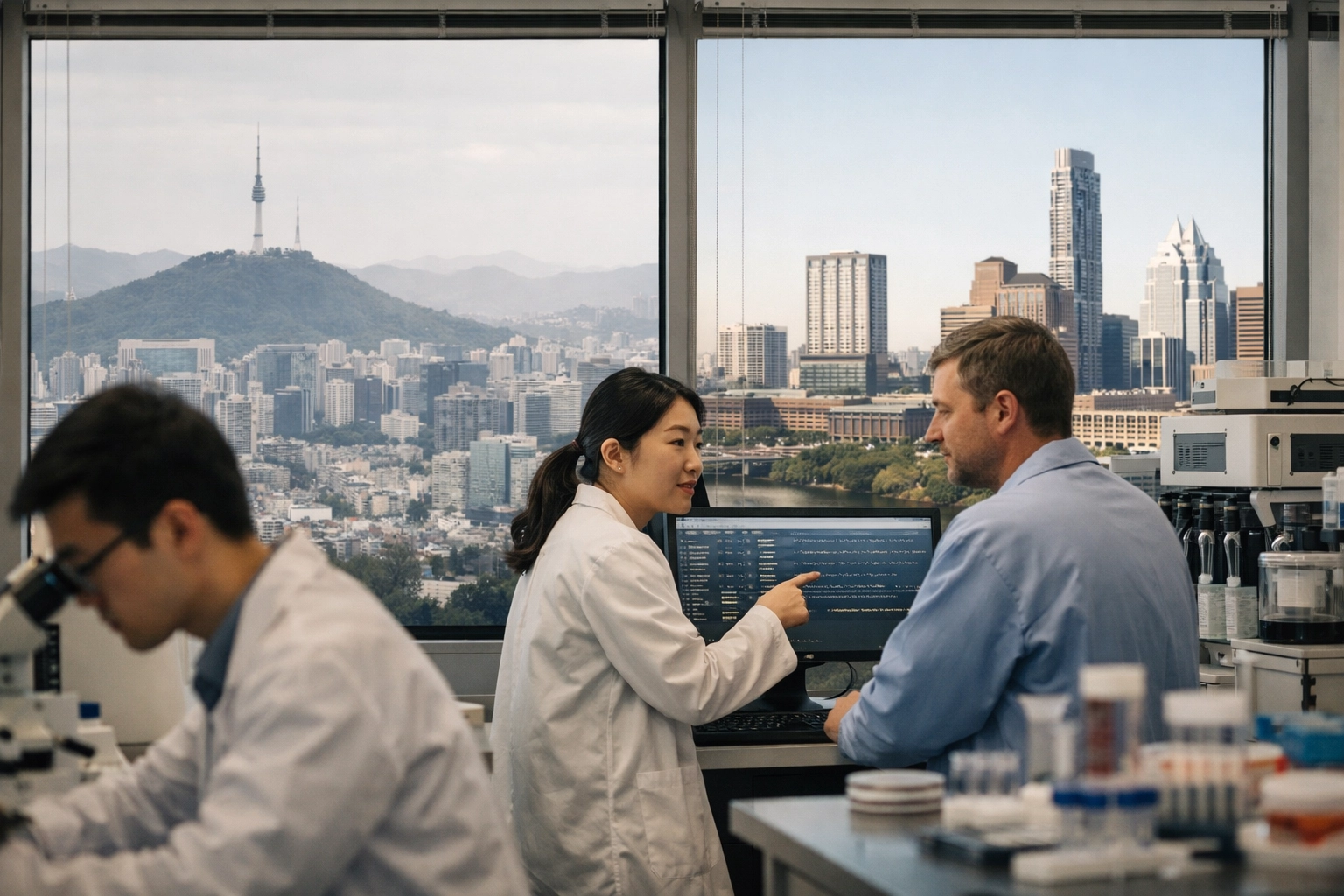
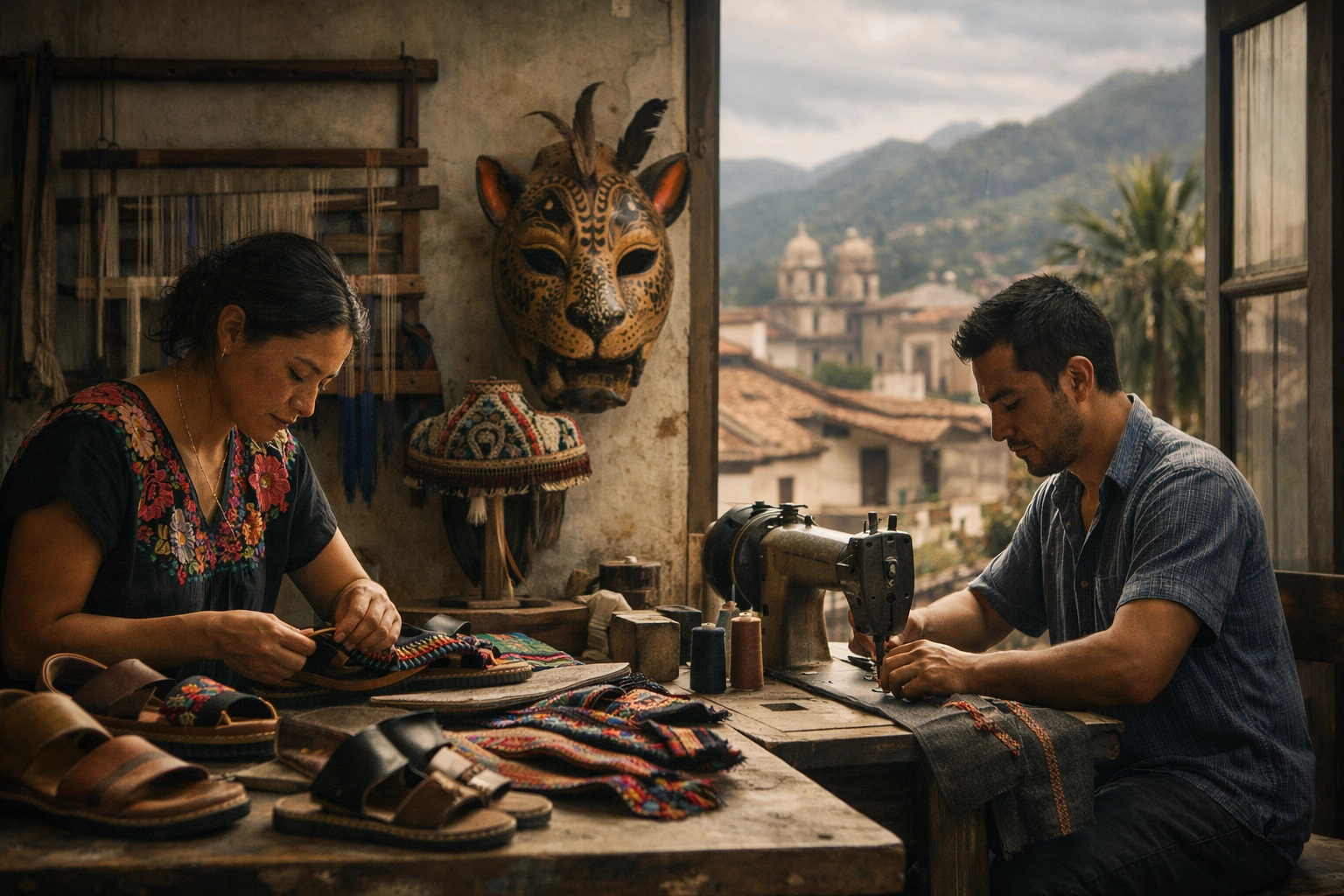
Walk down South Congress in Austin, and you’ll feel a specific kind of energy. It’s a city built on the intersection of high-tech capital and a stubbornly "weird" artisanal soul. But if you look closer at the boots on the ground: specifically the vibrant, hand-loomed textiles stitched into high-quality leather: you realize Austin isn’t just a Texas hub. It’s a northern terminal for a creative pipeline that stretches all the way down the spine of the Americas.
At the center of this pipeline is Teysha. For years, they’ve been more than just a shoe brand; they’ve acted as a cultural and economic bridge between Austin and artisan communities in Guatemala, Mexico, and beyond. But the landscape of "handmade" is shifting. It’s no longer enough to just be artisanal. The next evolution of this market is about systemic sustainability and regenerative design.
Enter Tigre de Salón. Based in Medellín, Colombia, this design movement is redefining what it means to create luxury goods in the 21st century. By focusing on regenerative leather and conscious production, they are providing a blueprint for the future of the industry.
When we at bcdW look at these two entities, we don’t just see two successful brands. We see a convergence. We see the potential for a formal partnership that could redefine the "Local-to-Local" commerce model between the Southern United States and the Andean region.
The Austin-Medellín Connection: Why Now?
Business usually happens in cities, not just countries. The relationship between Austin and Medellín is one of the most under-discussed strategic corridors in the Americas. Both are "second cities" that have punched above their weight to become global magnets for talent and creativity.
Teysha found its footing by bringing the intricate textile traditions of Panajachel to the streets of Texas. They proved that the Austin consumer doesn't just want a product; they want a story they can wear. However, as the brand scales, the challenge shifts from storytelling to supply chain resilience.
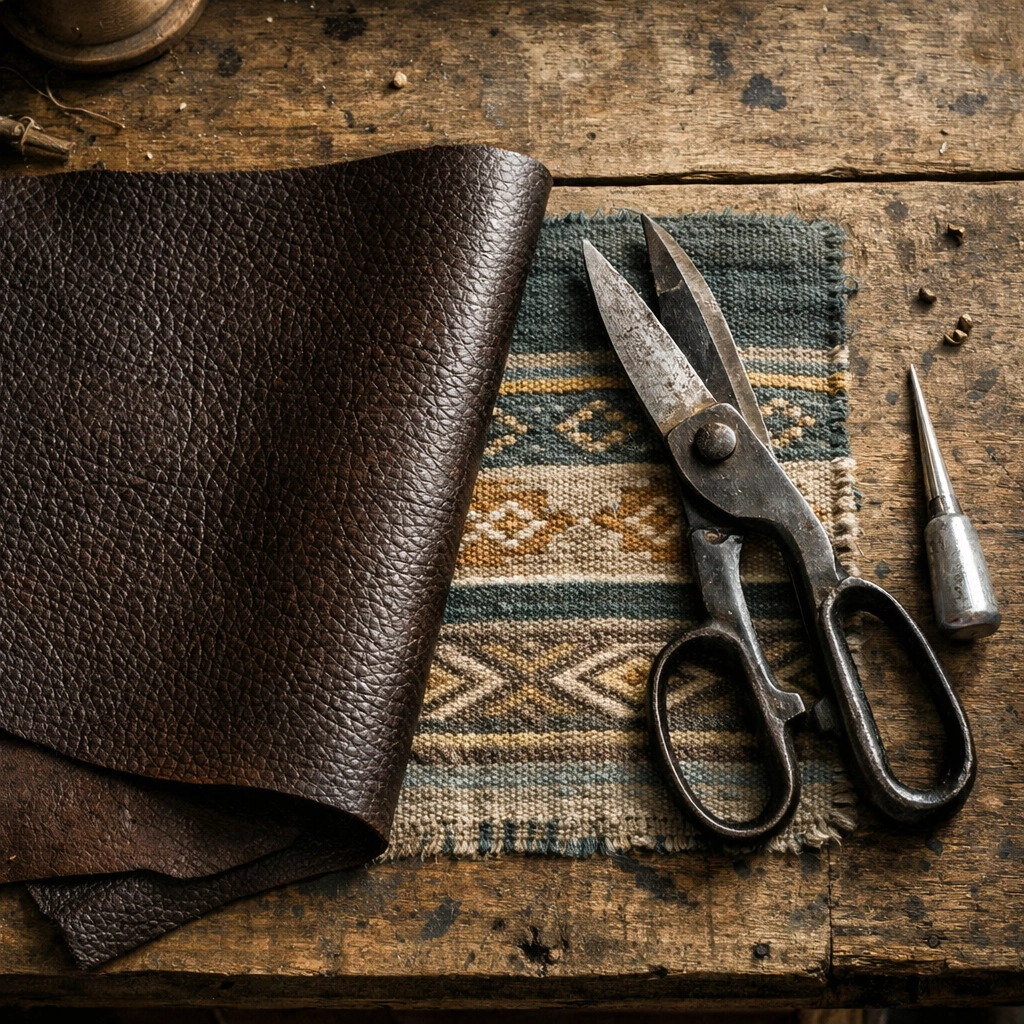
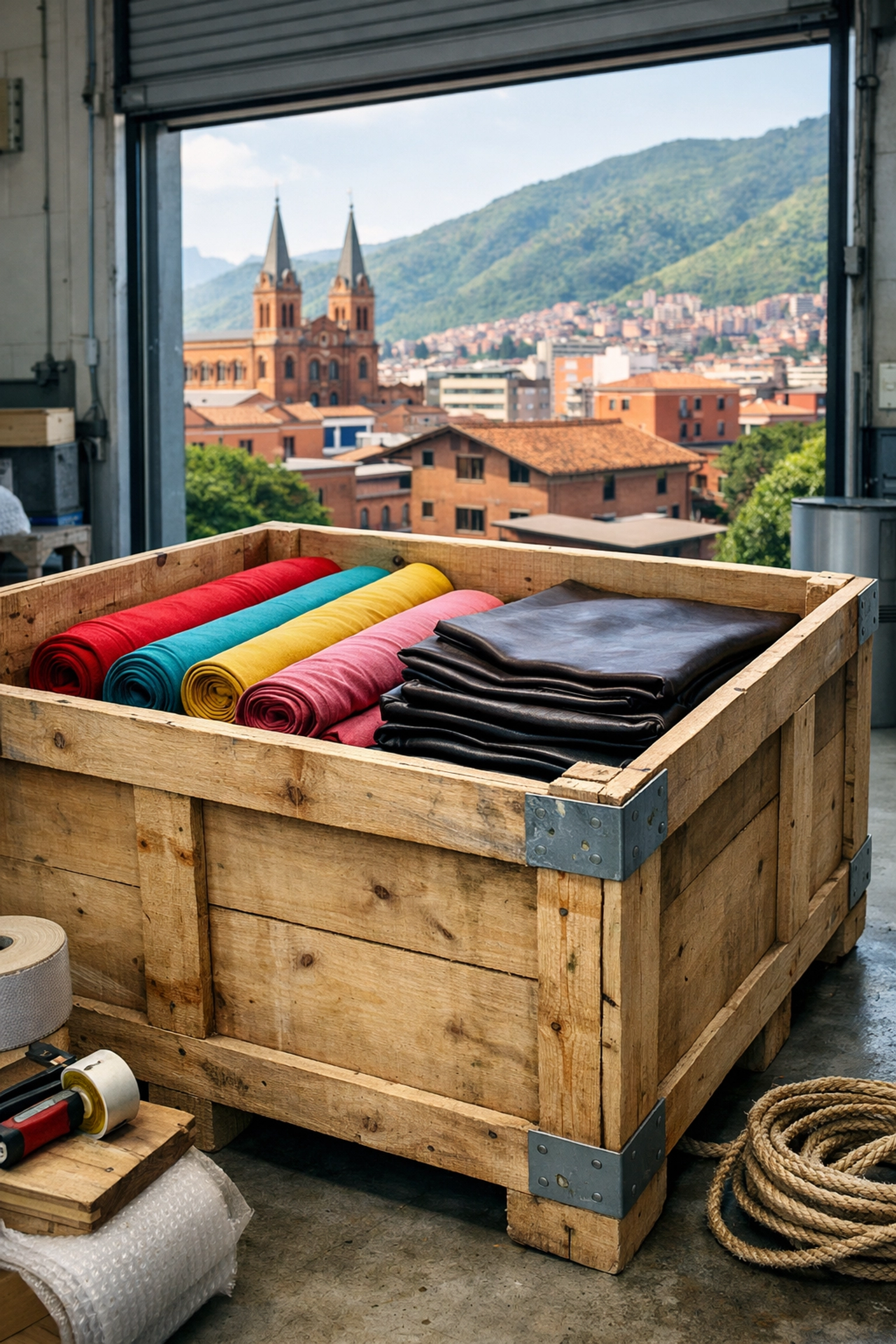
This is where Tigre de Salón changes the math. Their work in Medellín isn’t just about aesthetics; it’s about the "civic infrastructure" of fashion. By utilizing regenerative leather: leather sourced from cattle raised in ways that actually restore soil health: they are addressing the biggest criticism of the leather industry.
For Teysha, a partnership with Tigre de Salón isn't just a design collaboration. It’s a strategic upgrade. Imagine a Teysha boot that combines the ancestral weaving techniques of Guatemala with the regenerative leather tech coming out of Medellín. It’s not just a shoe; it’s a cross-continental manifesto.
Moving Beyond the "Store the Size of a Room"
We’ve previously discussed the concept of a store the size of a room: the idea that physical constraints no longer limit the reach of a brand. Teysha and Tigre de Salón are the living embodiment of this. They don't need massive department store footprints to dominate their niches. They need market access and a shared sourcing network.
The traditional model of artisan commerce is often fragmented. One group does the weaving, another does the tanning, and a third handles the retail in the U.S. Each step adds a layer of "middleman" friction that dilutes the profit for the actual creators.
A formal partnership between Teysha and Tigre de Salón could pioneer a "shared sourcing network." By pooling their resources, they could create a more robust logistics chain that moves materials: leather from Colombia, textiles from Central America: more efficiently into the Austin market. This isn't just about saving money; it’s about building a "Digital Bridge" that allows small-scale artisans to compete with global conglomerates.
SXSW and the Stage for Co-Branded Diplomacy
Austin is at its most potent during SXSW. It’s the moment when the world’s eyes are on the city’s ability to merge culture and commerce. This is the perfect theater for a Teysha x Tigre de Salón debut.
A co-branded appearance at an event like SXSW wouldn't just be about selling bags and boots. It would be a case study in human mobility and market entry strategy. It’s an opportunity to show the "Rainmakers" and investors in the audience that the most exciting CPG (Consumer Packaged Goods) innovations aren't coming from labs in Silicon Valley: they’re coming from the workshops of Medellín and the looms of the highlands.
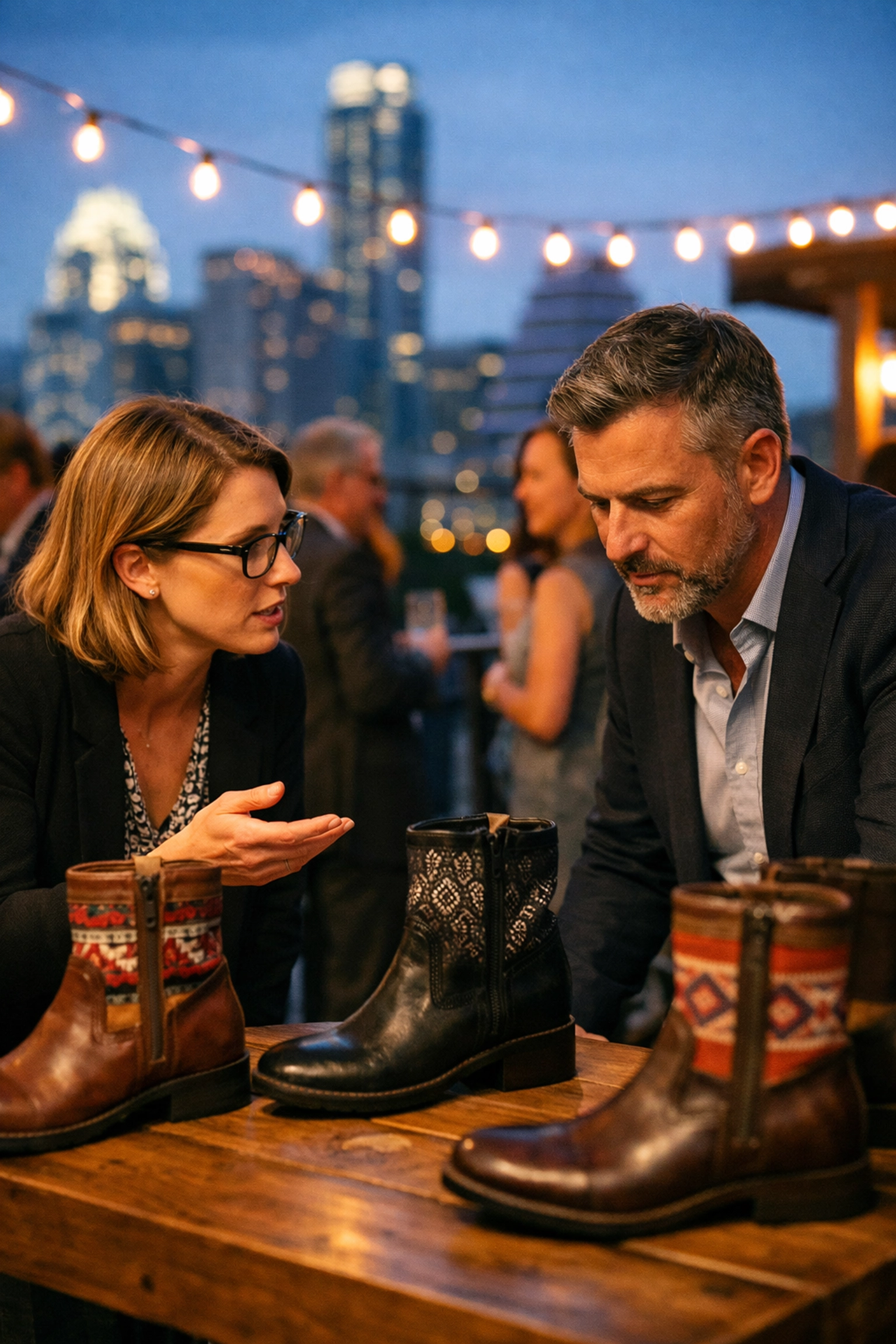
We envision a pop-up experience that functions as a "Conversation" between these two worlds. A space where the reader: and the consumer: can see the raw materials, meet the designers, and understand the regenerative cycle that brought the product to life.
The bcdW Perspective: It’s Not a Product, It’s a System
At bcdW Magazine, our job is to reveal the connections that others miss. When we look at Teysha and Tigre de Salón, we see more than fashion. We see a shift in how the Americas do business.
The old script said that Latin America provides raw materials and the U.S. provides the brand. That script is dead. Tigre de Salón is a sophisticated design movement with its own intellectual property and regenerative methodologies. Teysha is a savvy market-access engine that understands the nuances of the American consumer.
This is a partnership of equals. It’s about "Local-to-Local" execution: taking the best of Medellín’s innovation and dropping it directly into Austin’s vibrant market.
Action-Oriented Artisan Commerce
So, how do we move this from an idea to an execution? It starts with acknowledging that market access is a form of infrastructure. For brands like these to thrive, they need more than just good intentions; they need the structural support of programs like the bcdW Rainmaker Program.
- Shared Sourcing: Establishing a formal agreement to share leather and textile suppliers, ensuring that both brands benefit from the highest standards of regenerative production.
- Unified Logistics: Using a "Digital Bridge" approach to manage the complexities of cross-border shipping and customs between Colombia, Guatemala, and Texas.
- Collaborative Storytelling: Developing a marketing narrative that highlights the "Continent-Wide" nature of their craftsmanship.
This isn't just about making better products. It’s about building a system where the value stays with the people who actually do the work. It’s about proving that the most consequential economic connections of our time are being stitched together, one boot and one backpack at a time.
The Road Ahead
The world doesn't need another fast-fashion brand. It needs more brands that act like bridges. Teysha has already laid the foundation in Austin. Tigre de Salón has the "strategic catalyst" of regenerative design ready to go.
By aligning their visions, they aren't just selling "artisan" goods. They are crafting a new continent: one where the distance between a workshop in Medellín and a boutique in Austin is measured not in miles, but in the strength of their shared vision.
The question isn't whether this model works. The question is who else is ready to walk across the bridge they are building.
To learn more about how we connect these dots, visit our About page or explore our Concept Case Studies to see how local-to-local commerce is changing the world.