AI Summary
Bunjang, South Korea’s preeminent C2C recommerce platform, has officially pivoted its strategic weight toward the United States. Driven by an unprecedented 729% surge in demand for K-culture collectibles, the platform is transforming from a domestic resale app into a sophisticated cross-continental bridge. By leveraging Large Language Model (LLM) translation and rigorous authentication protocols, Bunjang is addressing the "scarcity gap" for American fans of K-pop and K-fashion, positioning New York as a central hub for this new era of cultural liquidity.
Excerpt
Bunjang, South Korea’s top recommerce platform, is expanding into the U.S. to meet the 729% surge in demand for K-culture collectibles. The expansion focuses on Millennials and Gen Z shoppers in major American hubs.
The Scarcity Gap: Beyond the Standard Retail Model
For years, the flow of K-culture from Seoul to New York followed a predictable, albeit flawed, script. Fans in the Americas waited for official drops on platforms like Weverse or Ktown4u, only to find items sold out in seconds or priced with exorbitant "international shipping" premiums that decoupled the product from its actual market value. This was not a failure of demand; it was a failure of infrastructure.
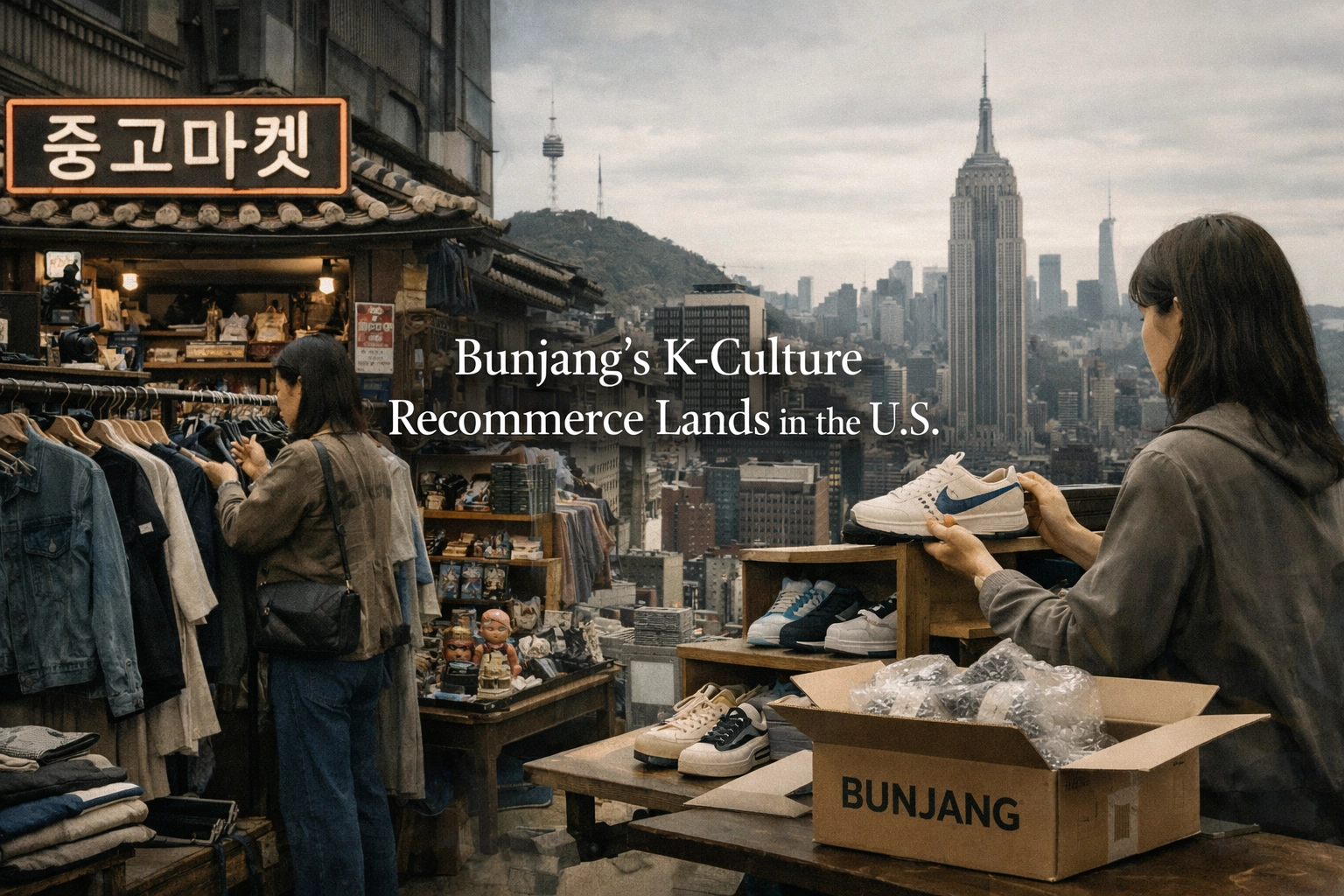
When the primary market fails to satisfy a 729% surge in demand, the secondary market ceases to be a "backdoor" and instead becomes the primary site of discovery. Bunjang’s entry into the U.S. market represents more than just a business expansion. It is the formalization of a "cultural bridge" that recognizes K-pop merchandise and K-fashion not as disposable goods, but as high-velocity assets.
In Seoul, Bunjang is a household name: a place where "recommerce" is a lifestyle. In New York, it is becoming a strategic catalyst for a generation of consumers who view their collections as both identity and investment. By connecting these two points, Bunjang is proving that the most consequential economic connections of the 2020s are being forged by the passions of Gen Z and Millennials, moving across the Pacific at the speed of a digital notification.

Photo: PR Newswire/Yahoo Finance
The Architecture of Trust: Solving the C2C Friction
The challenge of cross-border C2C (consumer-to-consumer) transactions has historically been one of friction. How does a collector in Brooklyn trust a seller in Gangnam? How do you translate the nuance of a "mint condition" photo card description across a language barrier?
Bunjang has solved this through a sophisticated integration of technology and human-centric logistics. The platform’s "Global Bunjang" initiative utilizes Large Language Models (LLMs) to provide real-time, nuanced translation between Korean and English. This is not the clunky machine translation of a decade ago; it is a contextual interpretation that allows for the specific jargon of the fashion and K-pop worlds to travel seamlessly.
Furthermore, Bunjang has addressed the physical barrier through a centralized verification process. Before an item leaves South Korea for an American doorstep, it is pre-inspected. This "verification as a service" model is the essential civic infrastructure for the recommerce world. It removes the risk of fraud and ensures that the "cultural capital" being exchanged maintains its integrity. For bcdW Magazine, this is a classic "dot-connecting" moment: using high-tech solutions to solve a high-touch human problem.
The New York Connection: A Hub for Cultural Assets
Choosing New York as a primary target for this expansion was a calculated move. As a global fashion capital and a major node for North American K-culture consumption, New York serves as the perfect testing ground for Bunjang’s cross-continental model.
The U.S. market is currently the dominant region driving demand on Global Bunjang. In the first half of 2025 alone, the platform saw a 333% year-over-year increase in Gross Merchandise Volume (GMV). This isn't just about "merch"; it’s about the recommerce of K-fashion. Brands like Laka and various "K-style" aesthetics are finding a second life in the closets of New Yorkers who are looking for the authenticity of the Seoul street scene without the retail markup of boutique importers.
This shift mirrors what we see in our Concept Case Studies: the most successful companies aren't just selling products; they are managing ecosystems. Bunjang is managing an ecosystem of desire that spans 120+ countries, with the Seoul-New York axis acting as the strongest tether.
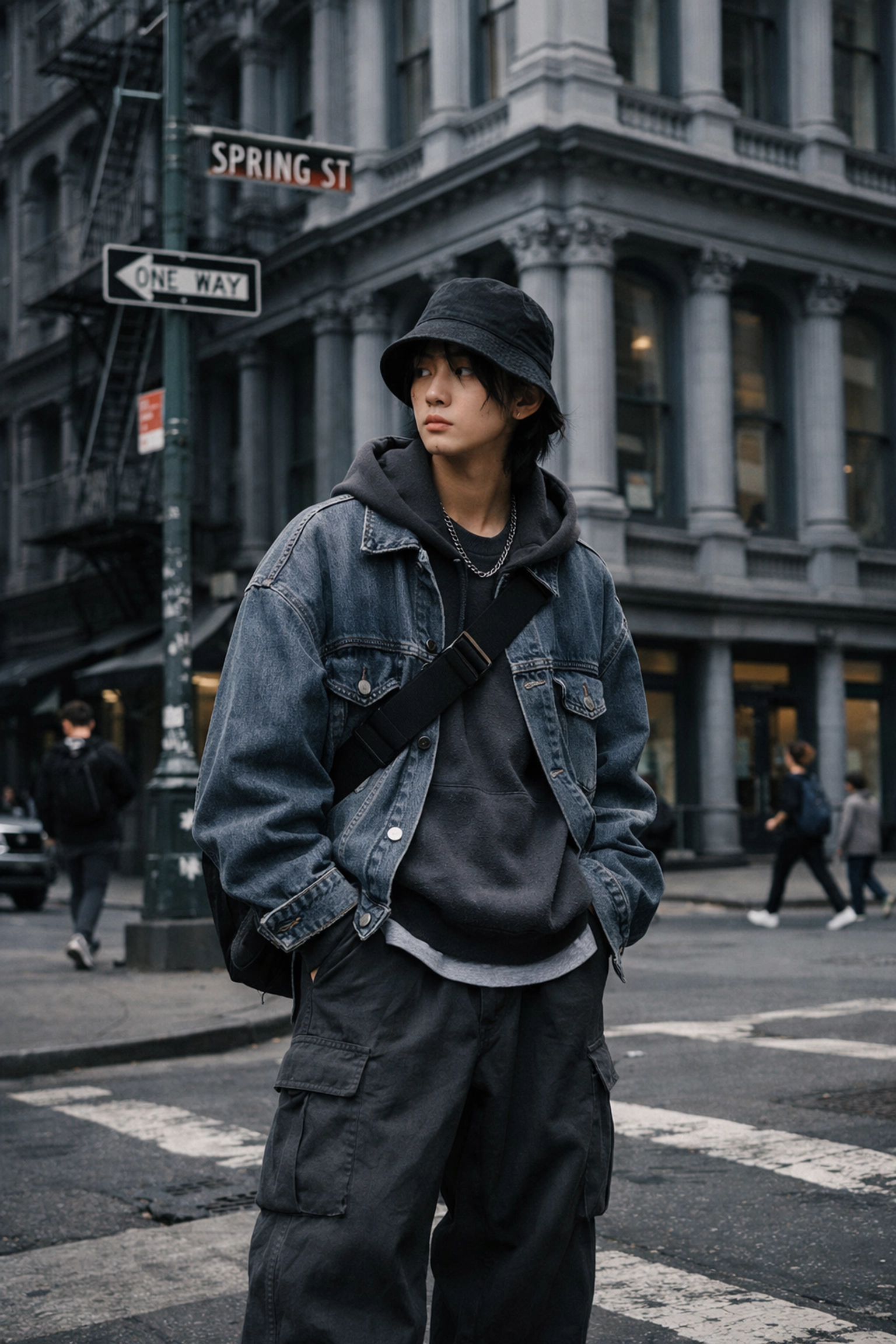
Photo: PR Newswire/Yahoo Finance
The Global Recommerce Industry Association
Bunjang is not stopping at being a platform; it is aiming to be a policy leader. In March 2025, the company launched the Global Recommerce Industry Association. This initiative is designed to foster recommerce as a legitimate export industry, addressing the complexities of customs, international logistics, and the tax implications of cross-border C2C trade.
By taking this "meta-expert" stance, Bunjang is moving from a startup to a structural player in the global economy. They are not just participating in the market; they are designing the agenda for how goods will move between the Americas and Asia in the next decade. This aligns perfectly with the bcdW Rainmaker Program, which focuses on removing the structural barriers to global business.
When we look at Bunjang’s trajectory, we see a company that understands that the country sets the rules, but the city makes the deals. By establishing deep roots in the digital landscape of Seoul and the physical demand centers of New York, they are bypassing traditional retail gatekeepers.
From Collectibles to Commodities
What happens when a "hobby" becomes a market? Bunjang’s 2025 Global K-Pop Merch Trend Report indicates that North America is leading the charge in high-value collectibles. We are seeing photo cards and limited-edition concert souvenirs being traded with the same analytical rigor as stocks or crypto-assets.
This professionalization of the "fan economy" is a signal that the world is being redefined in real-time. The traditional boundaries between "entertainment" and "commerce" are dissolving. For the strategist, the question isn't whether this model works. The question is how many other industries will be "Bunjang-ified" as the bridge between Asia and the Americas continues to strengthen.
As Bunjang prepares to turn profitable in 2026, it serves as a case study in why the "middle ground" is the most profitable place to stand. They are the interpretation layer between the South Korean supply and the American demand. They have realized that in a world of infinite digital copies, the physical, authenticated, and scarce "secondhand" item is the ultimate luxury.
The Implication: A Decentralized Future
Bunjang’s success suggests a future where retail is no longer a top-down affair dictated by flagship stores on Fifth Avenue or Myeong-dong. Instead, it is a decentralized, peer-to-peer network supported by robust technological and logistical scaffolding.
For the professionals who follow bcdW Magazine, the signal is clear: cultural mobility is the precursor to economic mobility. The fans who are trading lightsticks today are the founders and operators who will be navigating these cross-continental bridges tomorrow.
The question remains: as the gap between Seoul and New York continues to close, who will be the next to move first? Bunjang has already laid the tracks. The rest of the industry is now just trying to catch the train.
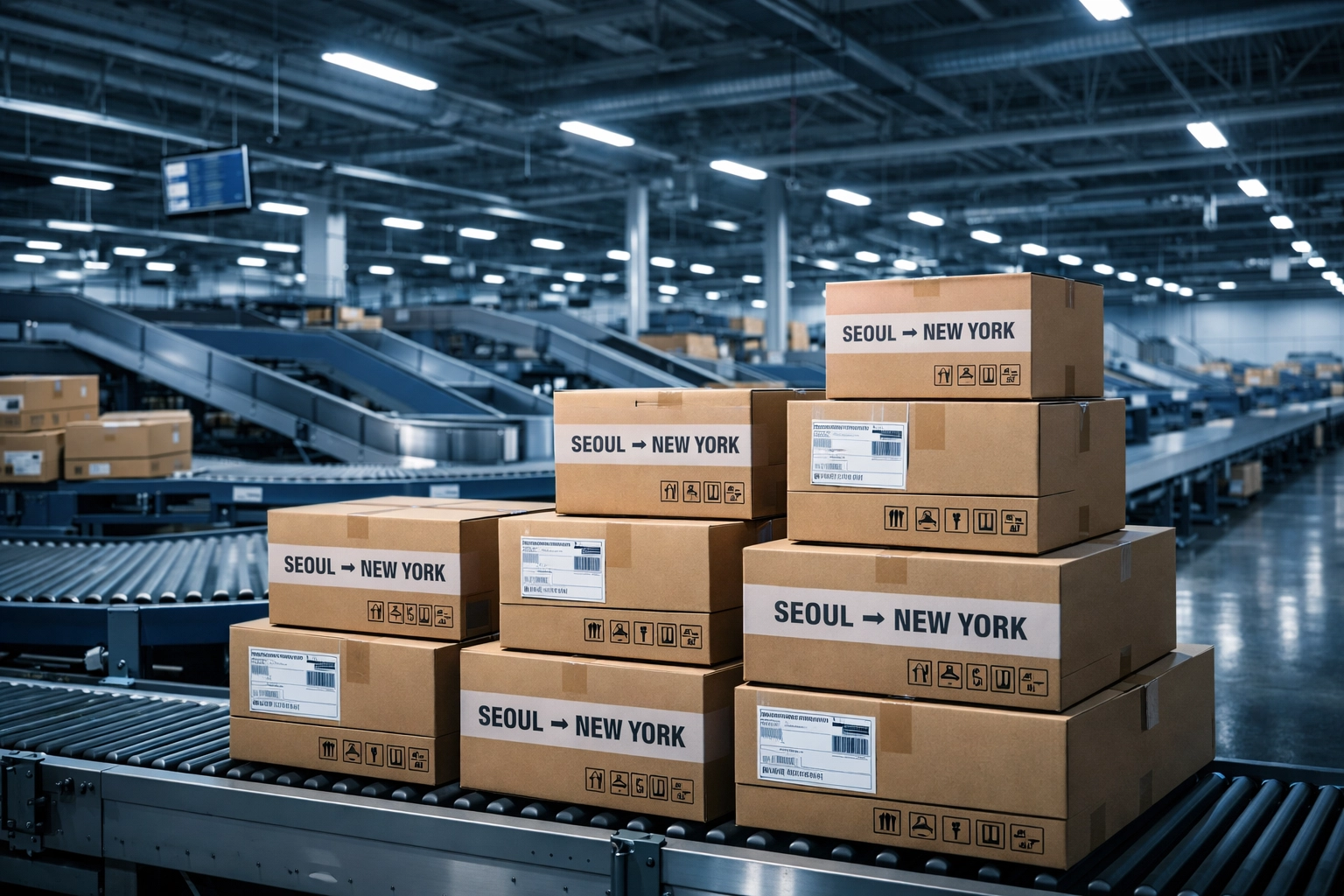
Photo: PR Newswire/Yahoo Finance
Source: Yahoo Finance (https://finance.yahoo.com/news/bunjang-marks-2-million-monthly-030000854.html)