The traditional map of global fashion usually draws a straight, rigid line between Paris, Milan, and New York. It is a map of established power, predictable seasons, and mass-market distribution. But at bcdW, we are interested in a different kind of cartography. We look for the "Local-to-Local" signals: the moments when a specific neighborhood in the Americas recognizes a kindred spirit in a specific district in another hemisphere.
Today, that connection is forming between the East Village of Manhattan and the vibrant, vertical landscape of Medellín. Specifically, it is the burgeoning dialogue between Relative Arts and Tigre de Salón (TdS).
This is not a story about "expanding into new markets" in the traditional sense. It is a case study in how heritage-driven design and hyper-local retail are redefining what global commerce looks like in 2026. It is about a store the size of a room meeting a mission with no limits.
The East Village Node: Relative Arts as Indigenous Embassy
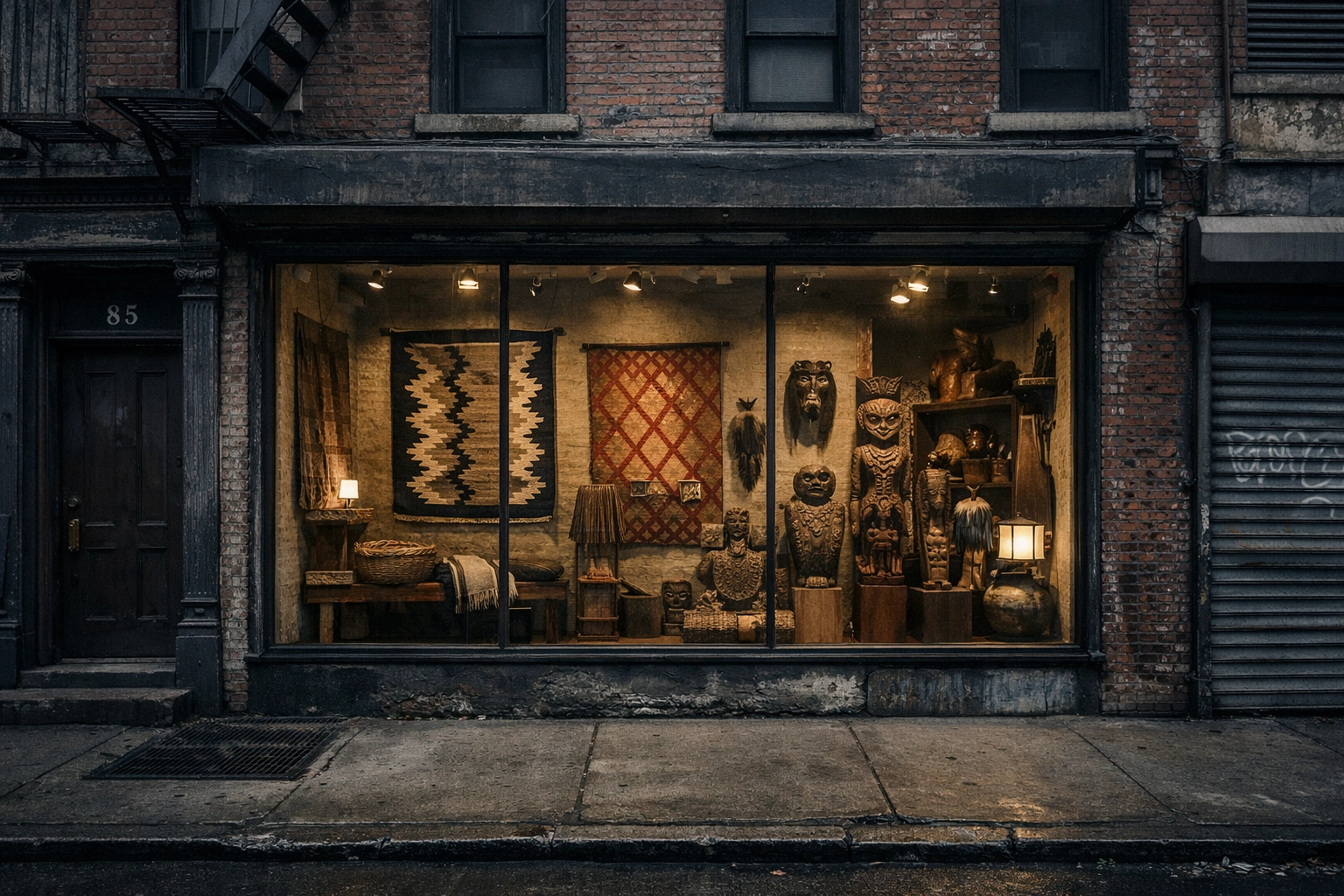
On a quiet stretch of the East Village, Relative Arts serves as more than just a retail space. Founded by Korina Emmerich and Liana Shewey, it is a community hub, a gallery, and an atelier dedicated to contemporary Indigenous design. For Emmerich and Shewey, the mission is clear: visibility and sovereignty. In a city that often consumes culture as a trend, Relative Arts provides a permanent ground for Indigenous creators to reclaim their narrative.
The space is intentionally intimate. It rejects the cold, cavernous feel of high-street luxury in favor of something tactile and human. Every garment, every piece of jewelry, and every art object carries a lineage. This is what we call "sovereign design": an aesthetic that is not seeking permission from the mainstream, but rather setting its own terms.
Emmerich’s own work often explores the intersection of her Puyallup heritage with the gritty, avant-garde pulse of New York. By pairing this with Shewey’s expertise in community organizing and curation, they have created a "civic infrastructure" for Indigenous fashion. It is a space where the garment is the starting point for a conversation about land, labor, and the future.
The Medellín Node: Tigre de Salón and the Power of Constraint
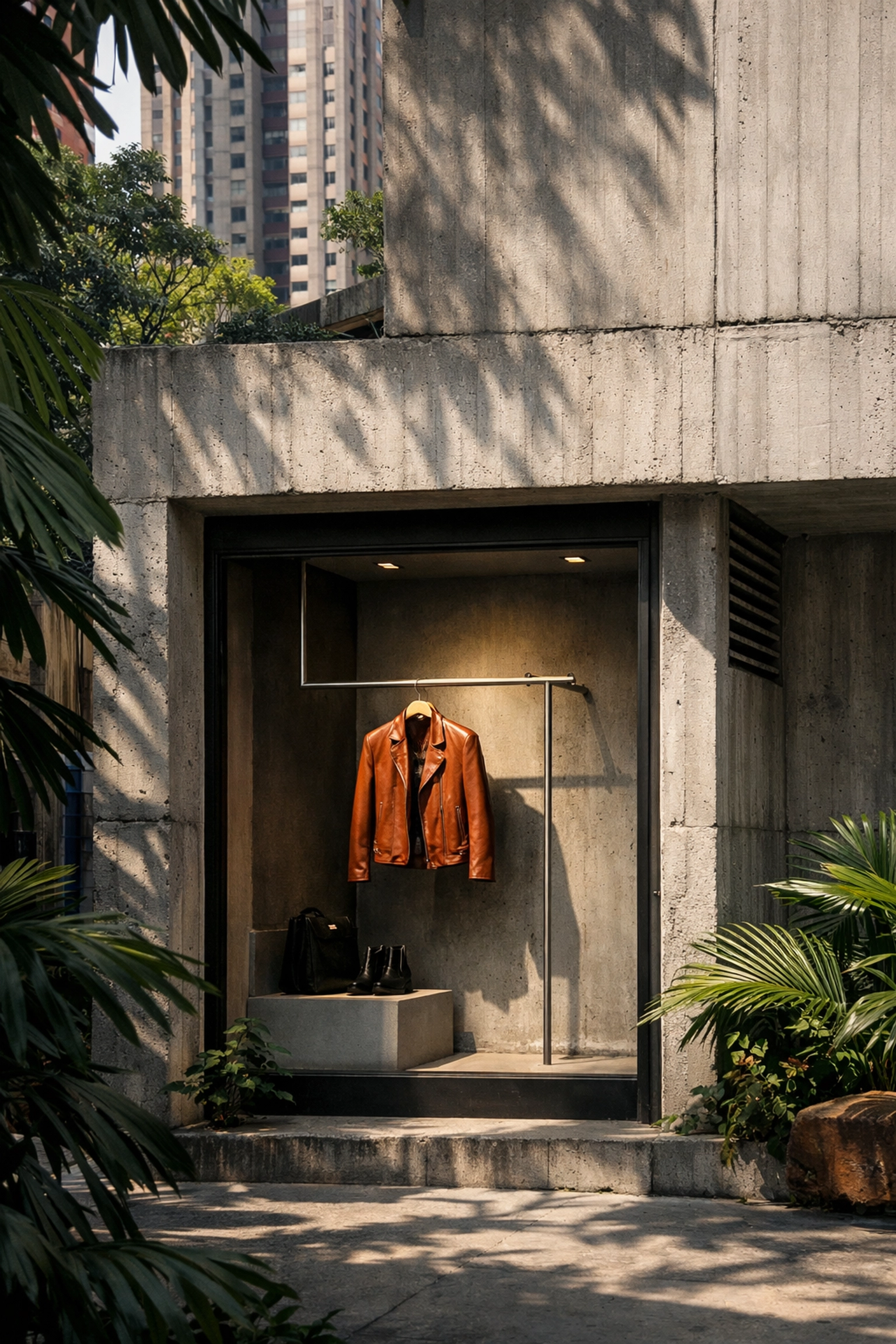
Four thousand miles south, in the Provenza district of Medellín, Tigre de Salón (TdS) is operating on a strikingly similar frequency. As explored in our recent feature, A Store the Size of a Room: An Idea That Has No Limit, TdS is a masterclass in the philosophy of the "micro-concept."
In a world obsessed with scale, TdS has found its strength in constraint. The shop is small, literally the size of a room: but its curation acts as a megaphone for Colombian craftsmanship. TdS doesn't just sell products; it archives stories. It focuses on high-end, artisan-led design that honors the biodiversity and cultural complexity of the Andean region.
The "Tigre" represents a fierce commitment to local identity. In Medellín, a city that has undergone a radical urban transformation over the last two decades, TdS represents the next layer of that evolution. It is the shift from "city of industry" to "city of design." Like Relative Arts, TdS understands that in 2026, the luxury consumer is no longer looking for a logo; they are looking for a connection to the hand that made the object.
The Convergence: Why Medellín and the East Village?
Why do we see a bridge here? At first glance, the indigenous textiles of the Pacific Northwest and the sleek, tropical-modernism of Medellín might seem disparate. But looking through the bcdW lens, the dots connect with startling clarity.
Both Relative Arts and TdS are moving away from the "extractivist" model of fashion. They are not interested in producing more; they are interested in producing better. They are both "Local-to-Local" pioneers who understand that the most potent global connections happen between specific urban cells that share values, even if they don't share a language.
The convergence lies in three key pillars:
- Narrative Sovereignty: Both brands are curators of their own culture, refusing to let outside entities define their value.
- Hyper-Localism: They prove that a physical presence in a specific neighborhood (East Village or Provenza) creates a brand gravity that digital-only platforms cannot replicate.
- Artisan Mobility: They represent a movement where the "human element" of the supply chain is the primary value proposition.
A Vision for 2026: The Joint Pop-Up Strategy
At bcdW, we don’t just observe connections; we propose them. For 2026, the most coherent strategic move for these two entities is a joint, reciprocal pop-up residency: a "Bridge Between Two Hemispheres."
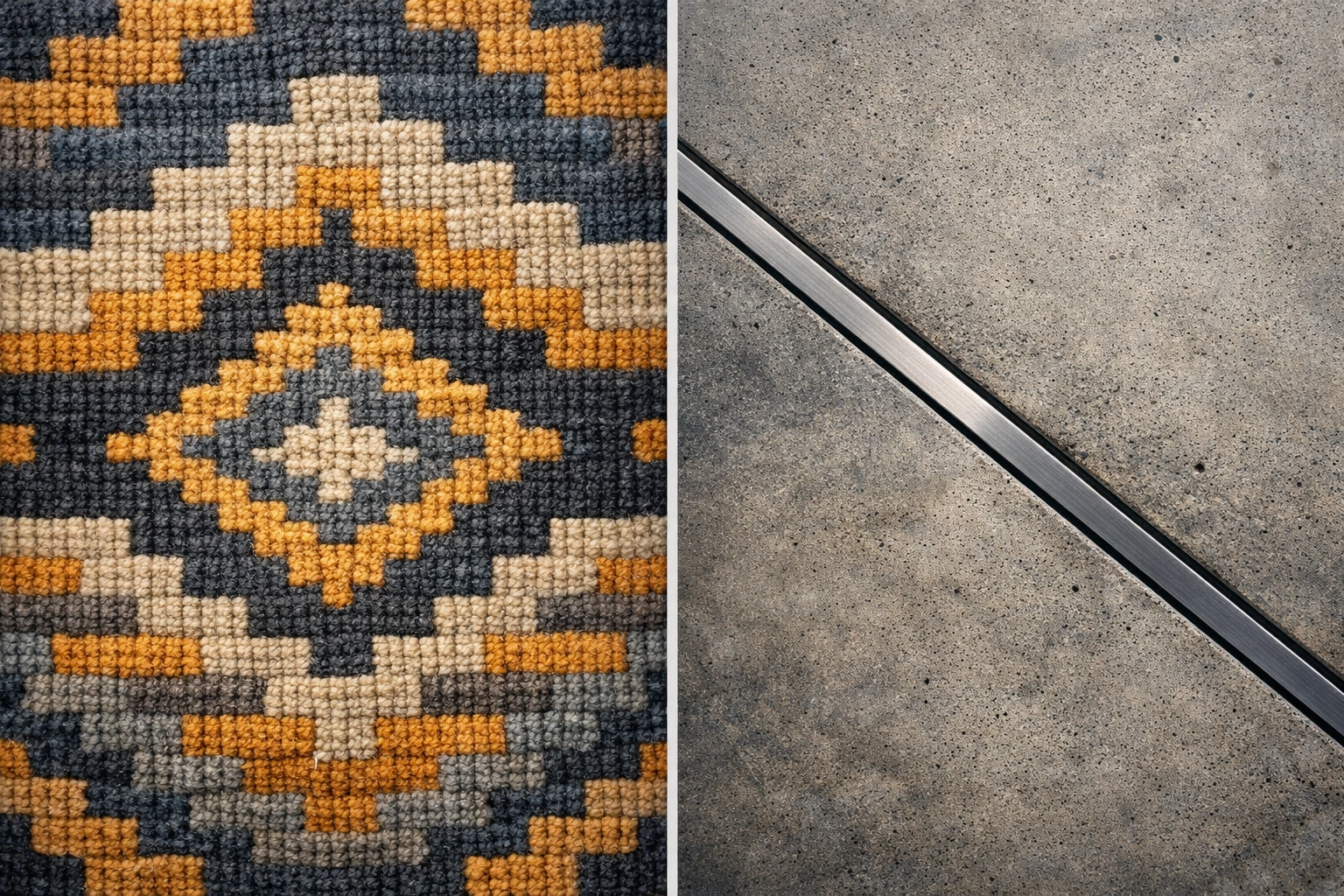
Imagine a curated takeover of the Relative Arts space in NYC by TdS, bringing the lush, material-heavy aesthetic of Medellín to the East Village. Conversely, picture an Indigenous design showcase from Relative Arts appearing in the Provenza room of TdS.
This wouldn't be a standard retail exchange. It would be a "Knowledge Exchange." It would involve workshops on sustainable fiber use, panels on intellectual property rights for traditional designs, and a shared look at how urban retail can support rural artisan communities. It is an opportunity to prove that the "Americas" are not just North and South, but a continuous fabric of creative resilience.
Such a collaboration would leverage the bcdW Rainmaker Program, connecting these small-scale creators with the logistics and capital needed to move products across borders without losing their soul. It is about building a supply chain that respects the speed of the artisan while utilizing the speed of 2026 logistics.
The Strategic Catalyst: Global Human Mobility
The biggest hurdle for such a "Bridge" is rarely the desire; it is the logistics of movement. Moving high-value, artisan-made goods and the creators behind them between Colombia and the United States involves a complex web of customs, visas, and regulations.
This is where the bcdW Global Human Mobility framework comes into play. To truly connect the East Village and Medellín, we must treat "talent" as the most important export. When Korina Emmerich or the curators of TdS travel to one another’s cities, they aren't just visiting; they are building a "Digital Bridge" of expertise that outlasts the temporary shop.
We believe that by 2026, the "country" will matter less than the "city." The trade agreements between Washington and Bogotá provide the rules, but the deal: the actual cultural and economic exchange: will happen between the East Village and Medellín.
Redefining the Retail Framework
The "Relative Arts x TdS" model challenges the status quo of retail expansion. Usually, a brand grows by getting bigger: moving into larger malls, increasing SKU counts, and diluting the brand to appeal to a mass audience.
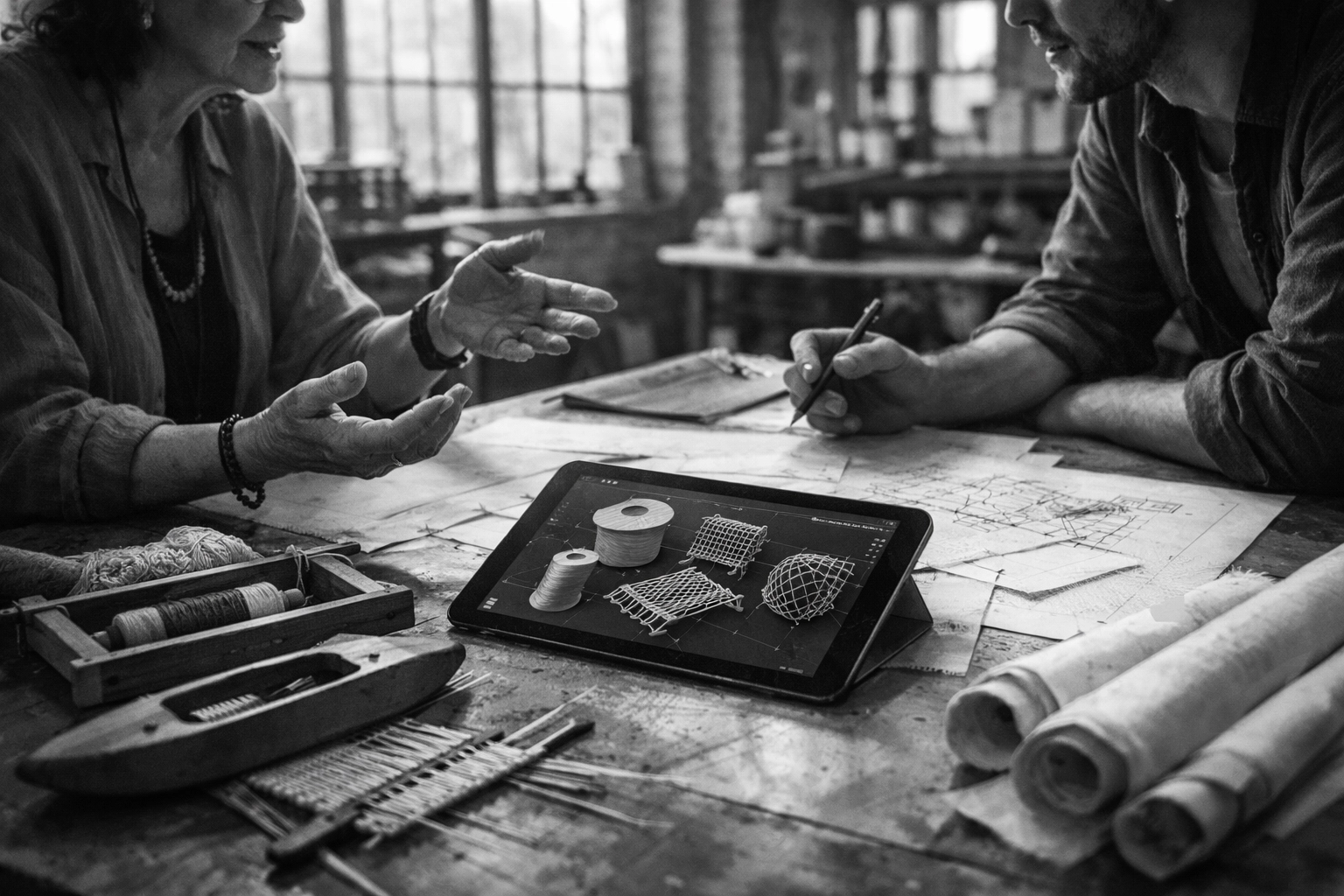
Relative Arts and TdS offer a different script: growth through resonance. By staying small and highly specific, they maintain an "intellectual authority" that massive conglomerates can only envy. They are not shops; they are "concept case studies" for a more equitable, more interesting global economy.
As we look toward the second half of this decade, the most successful brands will be those that can navigate these "city-to-city" channels. They will be the ones who understand that the East Village and Medellín are not just points on a map, but nodes in a living, breathing network of human creativity.

The question is no longer whether local heritage can survive in a globalized world. The question is: how quickly can we build the bridges that allow these local heroes to find one another? Relative Arts and Tigre de Salón have already laid the foundation. Now, it’s time to walk across.
To learn more about how bcdW Magazine connects dots between the Americas and Asia, explore our Concept Case Studies or join the conversation at our next Conference.