Medellín doesn’t just export coffee anymore; it exports the very science of how we experience it.
For decades, the global Consumer Packaged Goods (CPG) industry operated on a hub-and-spoke model. The "hubs" were in New Jersey, Geneva, or Singapore: places where scientists in white coats decided what the rest of the world would find delicious. The "spokes" were the local markets, often receiving products that felt like translations of a language they didn't quite speak.
That model is dying. In its place is a new geography of innovation, one where the "dots" are moving closer to the source of consumption. The recent inauguration of Kerry’s Customer Co-Creation Center in Medellín is more than just a corporate expansion; it is a signal that the Andean region has graduated from a consumer market to a primary source of intellectual and sensory property.
The Signal in the City
When Kerry: a global leader in taste and nutrition: decided to anchor its latest Concept & Case Study in Medellín, they weren't just looking for real estate. They were looking for an ecosystem. Medellín has spent the last decade aggressively rebranding itself as the "Silicon Valley of South America," a title that, while cliché, reflects a very real transformation in city infrastructure and human mobility.
The new center, situated within Kerry’s existing Medellín campus, is designed to collapse the distance between an idea and a prototype. In the old world, a snack company in Bogotá might wait months for a flavor profile to be developed in a remote lab. In the new world of co-creation, that same company sits in a room with Kerry’s specialists, prototypes a flavor in the morning, tests it with a sensory panel in the afternoon, and iterates by sunset.
This isn't just about speed; it's about context. You cannot innovate for the Andean palate from a cubicle in the Northern Hemisphere. You need the humidity, the street-level food culture, and the local regulatory understanding that only a regional hub can provide.
Breaking Down the Infrastructure: The Labs of Tomorrow
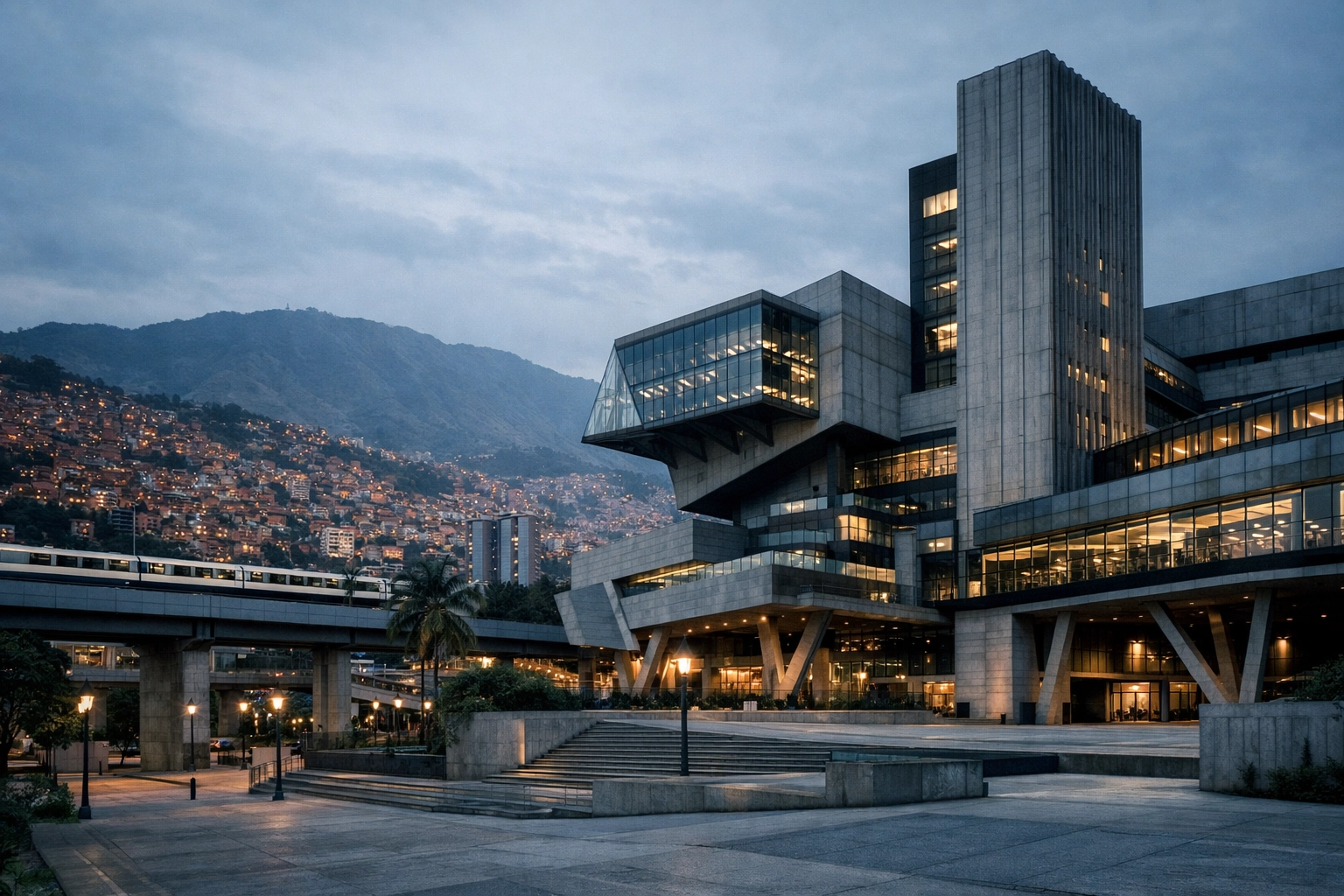
The Medellín hub is not a singular laboratory but a cluster of specialized environments designed to tackle the specificities of the CPG and tech sectors. According to the internal specifications of the facility, the infrastructure includes:
- The Beverage Suite: Focused on everything from functional juices to carbonated innovations, catering to a region where beverage consumption is shifting toward health-conscious profiles.
- The Protein Lab: Following Kerry’s 2023 acquisition of Proexcar S.A.S., this lab focuses on functional proteins for meat products: a sector where Colombia has long been a regional powerhouse.
- Bakery and Confectionery Wings: Where the "clean label" movement meets traditional Andean textures.
- The Customer Suite: A high-end experimental kitchen and sensory panel area where baristas, mixologists, and chefs work directly with corporate clients.
By housing these capabilities under one roof, Kerry is facilitating a "convergence" of disciplines. A snack company isn't just looking for a seasoning; they are looking for a sodium-reduction strategy that doesn't compromise the crunch. A beverage brand isn't just looking for a sweetener; they are looking for a sustainable nutrition profile that satisfies the increasingly stringent "front-of-pack" labeling laws in the Andean region.
The Andean Advantage: A Regional Grid
Medellín does not sit in a vacuum. This hub is a critical node in a larger network that connects tags like #CPG and #InnovationHub across the Americas. It integrates seamlessly with Kerry’s Co-Creation Centers in Guatemala and Costa Rica, as well as their heavy-hitting technology hubs in Mexico, Brazil, and the U.S.
The strategic importance of this "grid" cannot be overstated. When we look at the company landscape, we see a pattern: the most successful players are those who can leverage global R&D while maintaining a hyper-local presence. Kerry has operated in Colombia for over 30 years, giving them the "institutional memory" required to navigate the market, while the new center provides the "technological momentum" required to lead it.
Why Medellín Matters for Global Tech and CPG
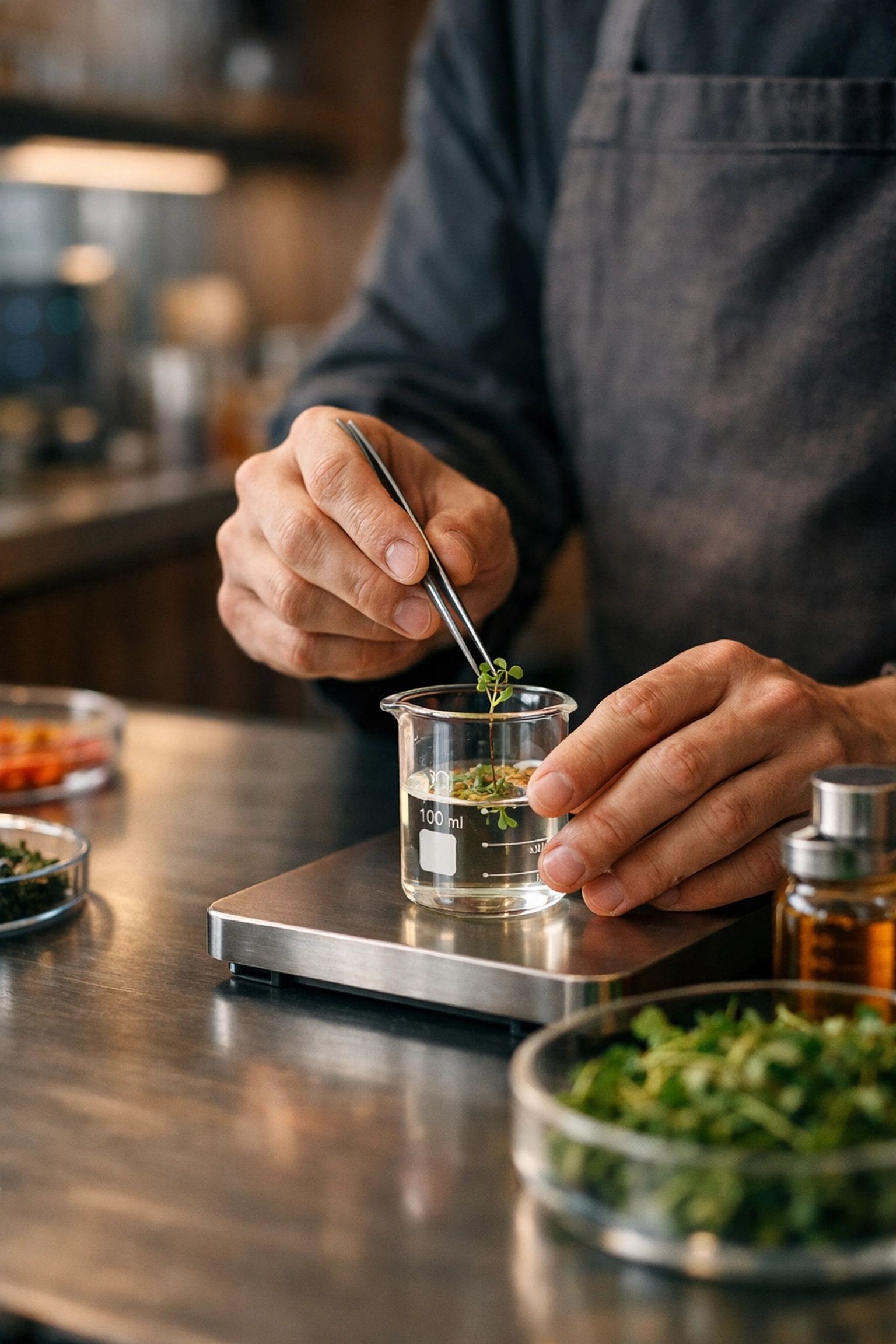
Medellín’s role as a regional leader in innovation is no longer a "future" projection: it is a present reality. The city has become a magnet for talent, not just from within Colombia, but from across the Southern Cone and even from the tech-heavy corridors of North America and Asia.
At bcdW Magazine, we often discuss the "Two Continents, One Lens" philosophy. While much of the global conversation focuses on the U.S.-China trade dynamic, the real action is often found in these "middle-market" hubs. Medellín is a bridge. It is where North American corporate strategy meets the raw entrepreneurial energy of the Andean market.
For the tech sector, Kerry’s hub represents a physical manifestation of "Agile" methodology. We usually associate "sprints" and "iterative design" with software development, but Kerry is applying these exact principles to the food and beverage industry. They are treating a new flavor of plant-based protein or a sugar-reduced soda as a "product build," complete with beta testing (sensory panels) and rapid prototyping.
The Sustainability Mandate
One of the most profound shifts in the Andean market is the move toward "clean label" practices. Consumers from Medellín to Manila are demanding transparency. They want to know what is in their food, where it came from, and how it impacts their long-term health.
The Medellín hub is positioned as a "strategic catalyst" for this shift. By investing in technologies for sugar and sodium reduction, Kerry is helping local brands navigate a complex regulatory environment while meeting consumer demand for sustainable nutrition. This isn't just about corporate social responsibility; it's about market survival. In an era of increasing health taxes and consumer skepticism, "nutrition" is the ultimate competitive advantage.
Connecting the Dots: The bcdW Perspective
At bcdW, our job is to show you what is on the other side of the bridge. The inauguration of this center tells us three things about the current state of global business:
- Geography is an Asset, Not a Constraint: The "Andean Region" is no longer a peripheral market. It is an innovation theater where the rules of CPG are being rewritten in real-time.
- Collaboration is the New R&D: The era of the "secret lab" is over. The future belongs to "Co-Creation": where the vendor and the customer share the risk and the reward of innovation.
- Cities are the Units of Change: As we outline in our City archives, business doesn't happen in "Colombia": it happens in Medellín. It happens in the specific streets, universities, and industrial parks where talent congregates.
Kerry’s move to Medellín is a vote of confidence in the city’s ability to produce world-class results. It acknowledges that the next great breakthrough in food tech might not come from a board room in Dublin, but from a barista station in Antioquia.
The Road Ahead
As the center begins its operations, the focus will shift from the infrastructure to the output. The question is no longer "Can Medellín host an innovation hub?" but "What will this hub produce that changes the global market?"
For operators and investors watching the campaign of regional expansion across the Americas, the Medellín hub serves as a case study in how to execute local-to-local connections. It isn't enough to be "in" the market; you have to be "of" the market.
Kerry has spent 30 years learning the language of the Andes. Now, with the Customer Co-Creation Center, they are finally ready to write the next chapter.
The question for the rest of the industry isn't whether they should follow suit. The question is how much of the market will be left once they do.
To stay updated on how cities like Medellín are reshaping global industry, subscribe to bcdW Magazine or explore our archive for more deep dives into the connections between the Americas and Asia. The dots are there. We just help you connect them.