Amman is a city defined by its hills and its heritage. In the labyrinthine streets of the Jordanian capital, coffee isn't just a beverage; it’s a social contract. Whether it’s the thick, cardamom-scented Arabic coffee served in tiny cups or the bustling espresso bars of Abdoun, the caffeine culture here is ancient and deeply rooted.
But walk into the newest hotspot in the city, and the script changes entirely. You aren't being handed a porcelain cup. You’re being handed a 960ml "King" size plastic cup filled with ice, espresso, and a distinctly Korean sense of scale.
The Venti, one of South Korea’s most aggressive value-coffee franchises, has officially landed in the Middle East. By opening its first regional outlet in Amman, the brand isn't just selling lattes: it’s exporting a specific type of urban lifestyle that started in the alleys of Seoul and is now finding a home in the high-traffic corridors of the Levant.
At bcdW, we talk a lot about the Digital Bridge between the Americas and Asia. But the arrival of The Venti in Jordan reminds us that the bridge has many spans. This isn't just a story about a franchise opening; it’s a case study in how a Korean brand adapts its DNA to survive: and thrive: in a desert climate.
The Seoul Signal: Why The Venti?
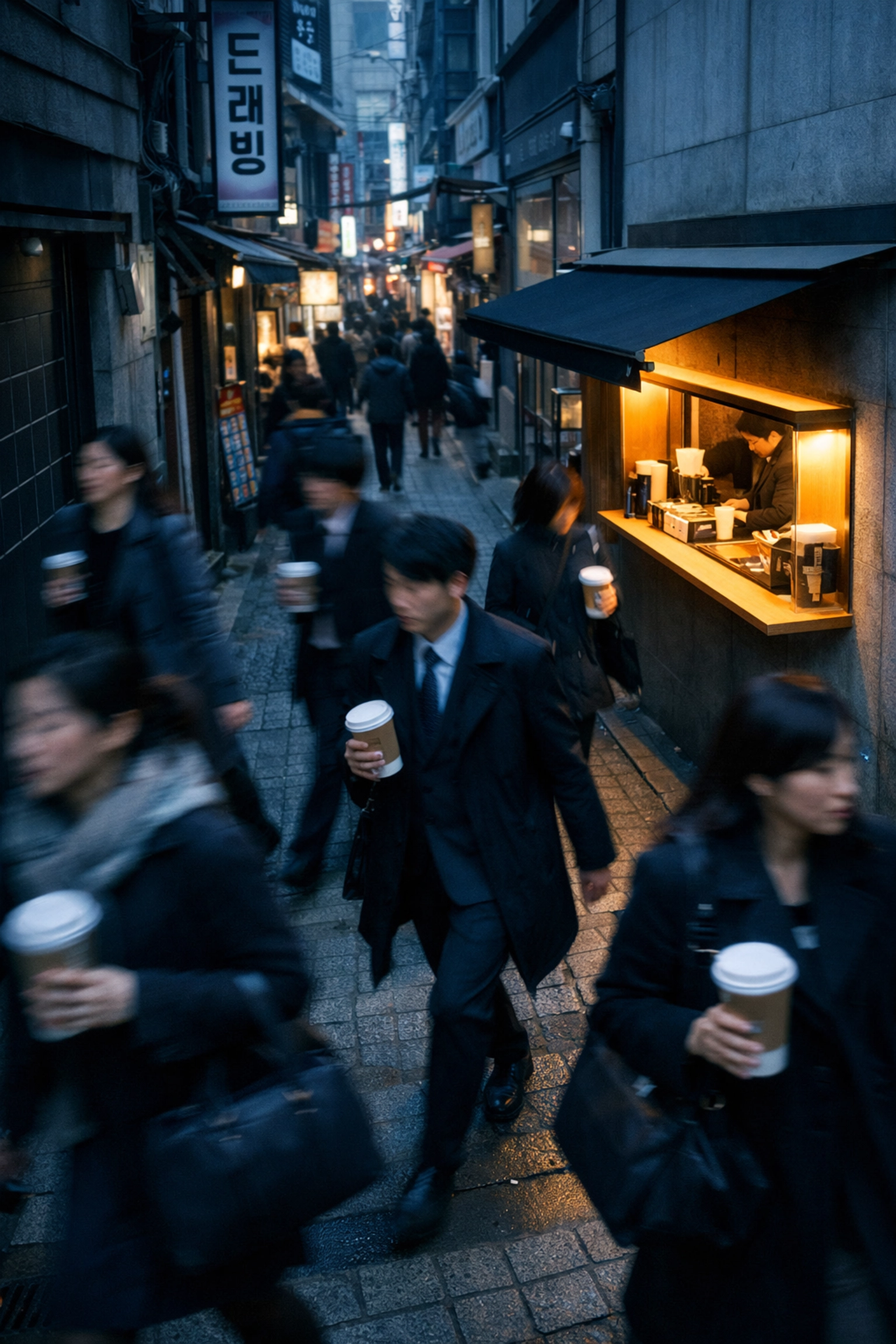
To understand the splash in Amman, you have to understand the momentum in Seoul. The Venti launched in 2014 with a simple, disruptive premise: high quality, low price, and massive volume. In a market saturated with high-end boutiques and massive chains like Starbucks, The Venti carved out a niche for the "on-the-go" professional and the student who needed caffeine by the liter.
With over 1,300 stores in South Korea, the brand has mastered the art of the "value-added" experience. They don't just sell coffee; they sell a visual language. The bright purple branding, the towering cups, and the rainbow of flavored "Venti-ccinos" are designed for the Instagram era.
But domestic success in Korea is one thing. Translating that to the Middle East: a region with a fiercely protective coffee tradition: is another. The decision to pick Amman as the gateway was strategic. Jordan acts as a cultural and commercial crossroads, a Future City that balances traditional values with a young, tech-savvy population that consumes Korean media at an unprecedented rate.
The 960ml Statement
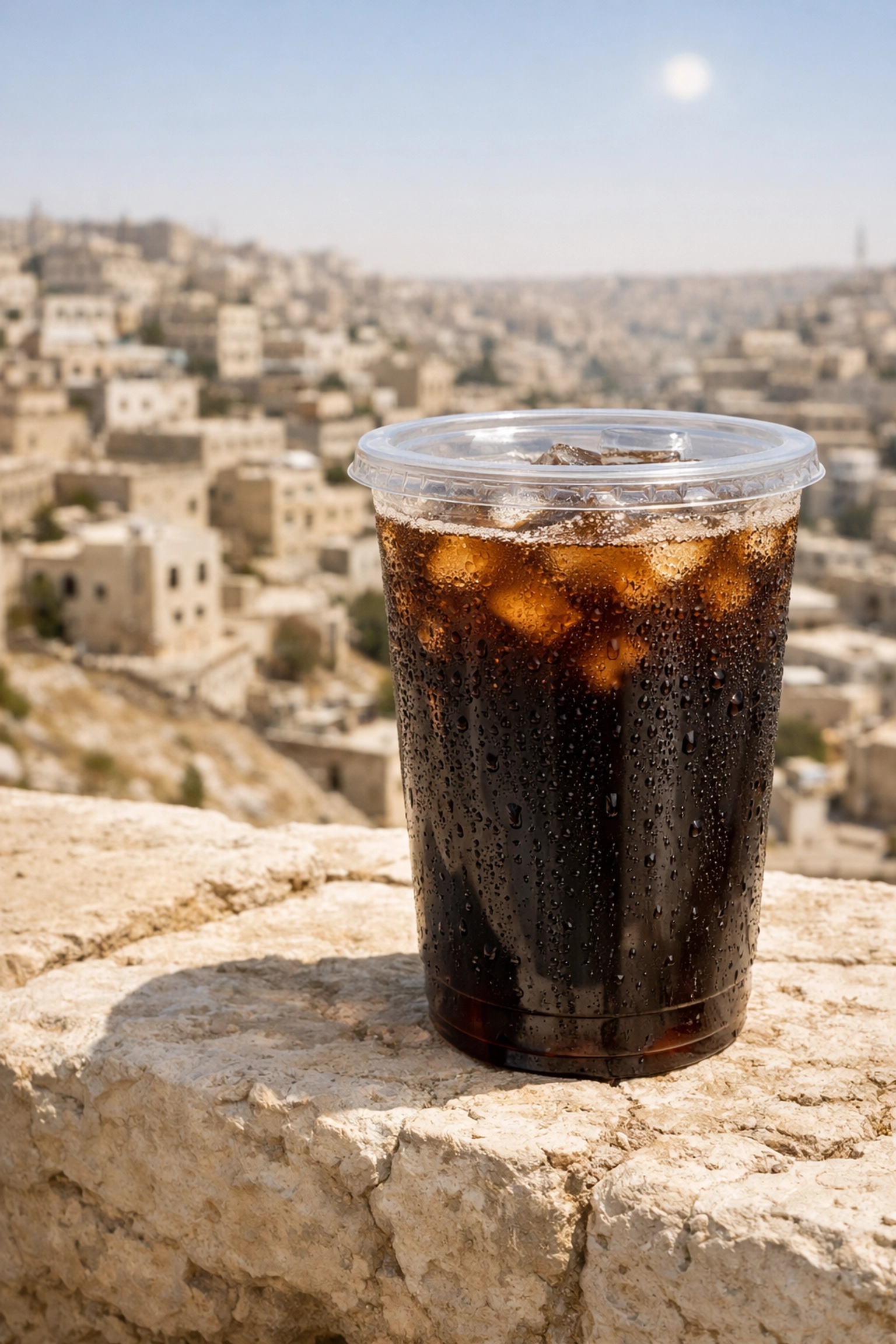
The most immediate "shock" to the local market is the size. The Venti’s signature 960ml jumbo cup is an anomaly in Amman. Traditional coffee culture here leans toward the concentrated and the communal. The Venti offers the opposite: the individualistic, high-volume, "fuel for the day" model.
In the heat of a Jordanian summer, a nearly one-liter iced Americano isn't just a drink: it’s a survival tool. The "King" size cup has quickly become a status symbol among younger Jordanians, a physical representation of the "K-style" they’ve seen in dramas and variety shows. It’s a classic example of how a product’s physical dimension can become its most effective marketing tool.
When we look at K-Dash trends, we see that it’s rarely just about the core product. It’s about the "extra" factor. In this case, the extra is literally the volume.
Localizing the Seoul Soul
Expanding a franchise into a new continent requires more than just shipping over the beans. You have to translate the menu into the local vernacular. The Amman outlet features a localized menu that respects regional tastes while maintaining its Korean identity.
The partnership with JKT Networks has been the critical "connector" here. At bcdW, we emphasize that local-to-local connections are the real engines of global business. JKT Networks provided the cultural intelligence needed to navigate Jordan's regulatory environment and consumer expectations.
What does localization look like for a Korean coffee chain in Amman?
- Halal Certification: Ensuring every syrup and powder meets local standards.
- Flavor Profiles: Introducing date-based sweeteners or local spices while keeping the core "K-Coffee" taste: which tends to be smoother and less acidic than traditional Levantine brews.
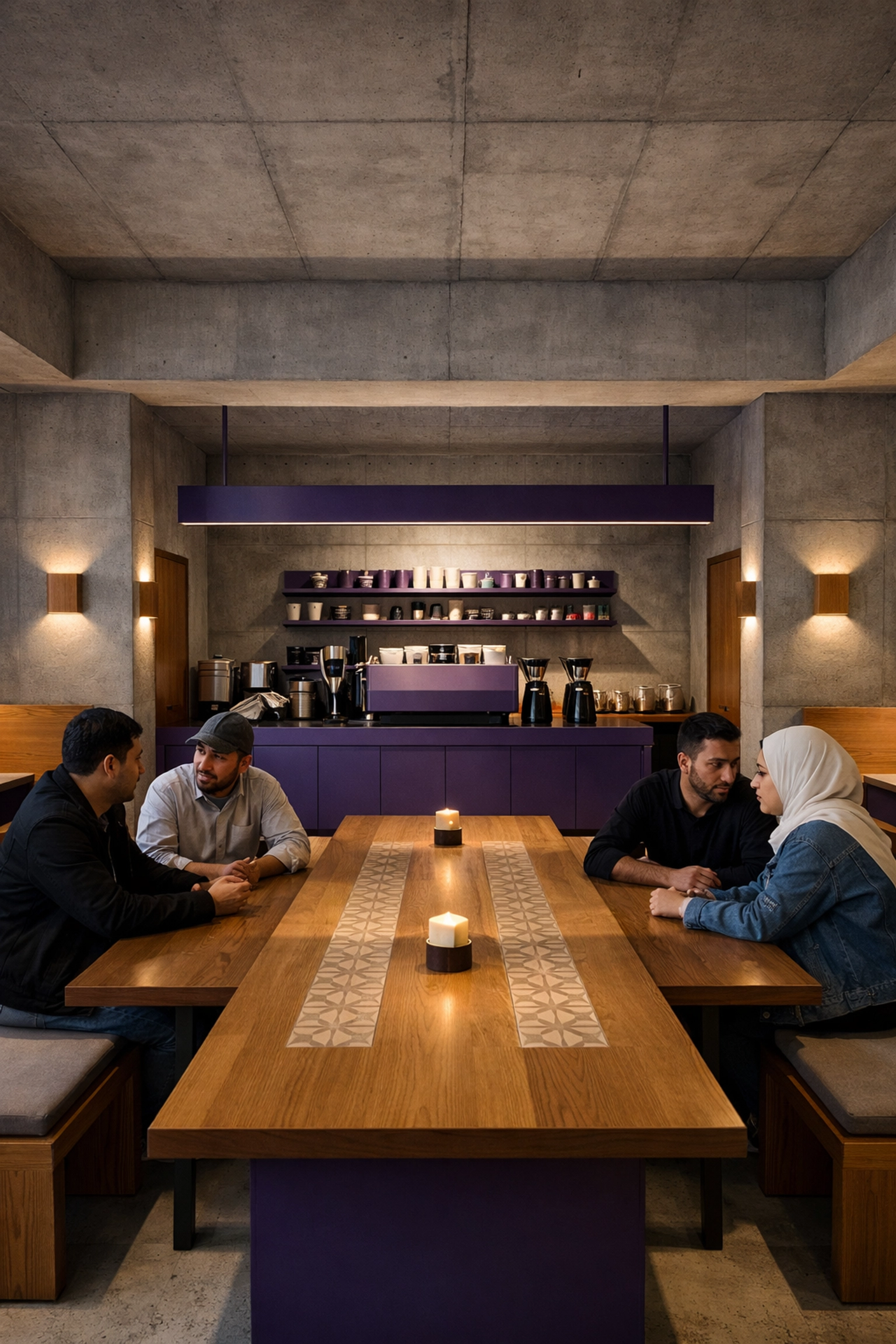
- The Social Space: While Korean Venti outlets are often "grab-and-go," the Amman location needs to cater to the local desire for "sitting and lingering." The store design reflects this, offering a more robust interior experience than its Seoul counterparts.
The Partnership Architecture: JKT Networks
No brand enters a market like Jordan alone: not if they want to last more than six months. The Venti’s entry was facilitated by a robust partnership with JKT Networks. This isn't just a franchise agreement; it’s a strategic alliance.
JKT Networks understands the Jordanian "street." They know where the foot traffic is, who the influencers are, and how to navigate the complex logistics of importing specialized ingredients from Korea. This is what we call the "Digital Bridge" in action: using virtual expertise to coordinate physical market entry.
For The Venti, JKT Networks isn't just a middleman. They are the interpreters. They took a Korean business model and recalibrated it for the Jordanian economy. This is the "Connector" phase of our Rainmaker Program philosophy: finding the right hands on the ground to catch the ball thrown from across the ocean.
From Amman to the Neon Lights: The Las Vegas Connection
If you think Amman is a random choice, look at the next dot on The Venti’s map: Las Vegas.
The Venti has already announced plans to expand into the United States, specifically targeting the desert oasis of Nevada. The logic is consistent. High heat, high foot traffic, and a consumer base looking for high-value, high-volume refreshment.
The Amman store is, in many ways, a pilot program for the US expansion. If the 960ml cup can dominate in the dry heat of the Jordanian desert, it has a clear path to success on the Las Vegas Strip. This "desert-to-desert" strategy shows a sophisticated understanding of environmental and consumer synergy. The Venti isn't just looking at countries; they are looking at climates and urban patterns.
This is the bcdW way of seeing the world. We don't just see a Korean company in Jordan. We see a link between the urban frameworks of Seoul, Amman, and Las Vegas.
Why This Matters for Global Franchise Strategy
The Venti’s big splash in Amman is a signal to other Asian brands. The Middle East is no longer just a place to export oil or technology; it is a primary market for lifestyle infrastructure.
For years, the flow of "coffee culture" was West to East. Starbucks and Dunkin' moved into Asia and redefined how people drank coffee. Now, the tide is turning. Asian brands are bringing their own refined, high-efficiency, and highly aesthetic models to the rest of the world.
The Venti succeeds because it doesn't try to be a better version of Arabic coffee. It offers something entirely different: a "K-Coffee" experience that is fast, fun, and massive. It’s a strategic pivot from "we are coffee experts" to "we are lifestyle providers."
The bcdW Take: Connecting the Dots
When we analyze a move like this, we look for the "Dot." The Venti’s entry into Amman is a dot that connects Korean soft power (K-culture) with Middle Eastern consumer growth and Western market aspirations.
It’s about Human Mobility. It’s about the movement of ideas and business models across borders that were once considered too far apart. The Venti didn't just open a store; they built a bridge.
As the brand prepares for its next leap into the American market, the lessons learned in Amman will be vital. How does the "King" cup hold up in 40-degree Celsius heat? How does the branding resonate with a non-Korean speaking audience? The answers to these questions are being written right now on the streets of Jordan.

Final Thoughts: More Than Just a Drink
The next time you’re in Amman, look past the traditional cafes for a moment. Find the purple sign. Watch the crowds of young Jordanians carrying those massive cups. You aren't just looking at a trend; you’re looking at the future of global retail.
The Venti’s arrival in Amman is a reminder that in the 21st century, the most consequential connections happen when we stop looking at maps and start looking at people: what they drink, how they move, and what they value.
At bcdW, we’ll be watching the Vegas opening closely. But for now, the desert is cooling down with a very large, very Korean, iced latte.
Interested in how Asian brands are scaling into new markets? Check out our latest Case Studies or join the conversation on our Campaign page.