Structural steel frameworks and heavy transport equipment at a desert construction site for a new urban development.
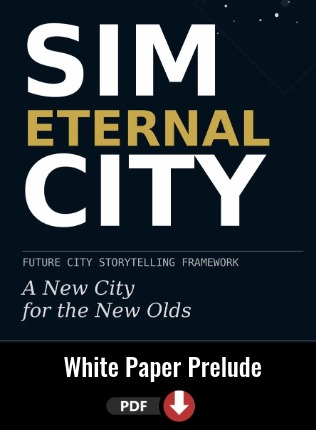
NEOM · March 22, 2026 : NEOM is the pinnacle of the "young city" archetype: fast, tech-heavy, and built for a high-earning, mobile workforce. However, the release of the Sim Eternal City White Paper Prelude in New York reveals a critical blind spot in the Saudi desert: the expiration date of youth. As NEOM scales its vertical urbanism, it faces an unaddressed question of what happens when its "dreamers" grow old and their mobility declines.
The Demographic Blind Spot
NEOM’s vision is predicated on a state of perpetual vitality, attracting a demographic defined by high-output productivity. In contrast, Sim Eternal City: a floating urbanism project built from repurposed cruise ships: targets the elderly climate refugee. While NEOM builds for those who can run, Sim Eternal City builds for those who need to stay. This creates a functional bridge between two extremes of urban design. While Saudi Arabia focuses on sovereign jurisdictional control, Sim Eternal City is defining the social contract of the future through the lens of longevity and resilience.
From Motion to Maintenance
The integration of humanoid robots within Sim Eternal City isn't a luxury gimmick; it is a necessity for a labor-scarce aging population. NEOM possesses the engineering might and the physical AI potential to lead this space, yet its current narrative remains tethered to the young. If NEOM is the city of arrival, Sim Eternal City is the city of legacy. The two projects represent the start and end of the modern urban lifecycle. To survive the century, NEOM may eventually need to adopt the very "belonging" frameworks currently being pioneered on New York’s waters to ensure its long-term social stability.
Source: bcdW Current Today : Weekend Edition · March 22, 2026 · bcd-w.xyz
Tags: Sim Eternal City, NEOM, Floating City, Aging, Climate Resilience, bcdW Current Today Weekend : March 22, 2026