Amman is no longer looking at its waste as a liability to be buried, but as a resource to be harvested. In the high-desert landscape of Jordan, the Al-Ghabawi Landfill has transitioned from a traditional end-of-life site for urban refuse into a sophisticated node of the city’s energy grid. This shift is not merely a technical upgrade; it is a fundamental re-engineering of how a modernizing capital in the Middle East navigates the pressures of rapid urbanization and resource scarcity.
The Greater Amman Municipality (GAM) has moved decisively to privatize key elements of its waste management, culminating in a major waste-to-energy project that is now projected to generate approximately 45% of the city’s electricity from methane gas. For a city that has often served as a regional benchmark for administrative stability, this project represents a "strategic catalyst": a signal that Amman is ready to integrate circular economy principles into the very bedrock of its civic infrastructure.
The Al-Ghabawi Transformation: From Methane to Megawatts
For decades, the standard script for municipal waste in the Levant was simple: collect, transport, and bury. But as Amman’s population surged and the geographic footprint of the city expanded, the limits of this linear model became undeniable. The Al-Ghabawi Landfill, located some 40 kilometers east of the city, was designed to handle this volume, but its true potential lay dormant in the form of methane: a potent greenhouse gas produced by decomposing organic matter.
The recent modernization efforts focus on the "Ghabawi Landfill Gas to Energy Project." By capturing methane that would otherwise escape into the atmosphere, the facility is now capable of producing 5 MW per hour. This is not just an environmental win; it is an economic recalculation. By converting waste into a steady stream of base-load power, Amman is reducing its reliance on expensive energy imports and insulating its municipal budget from the volatility of global fuel markets.
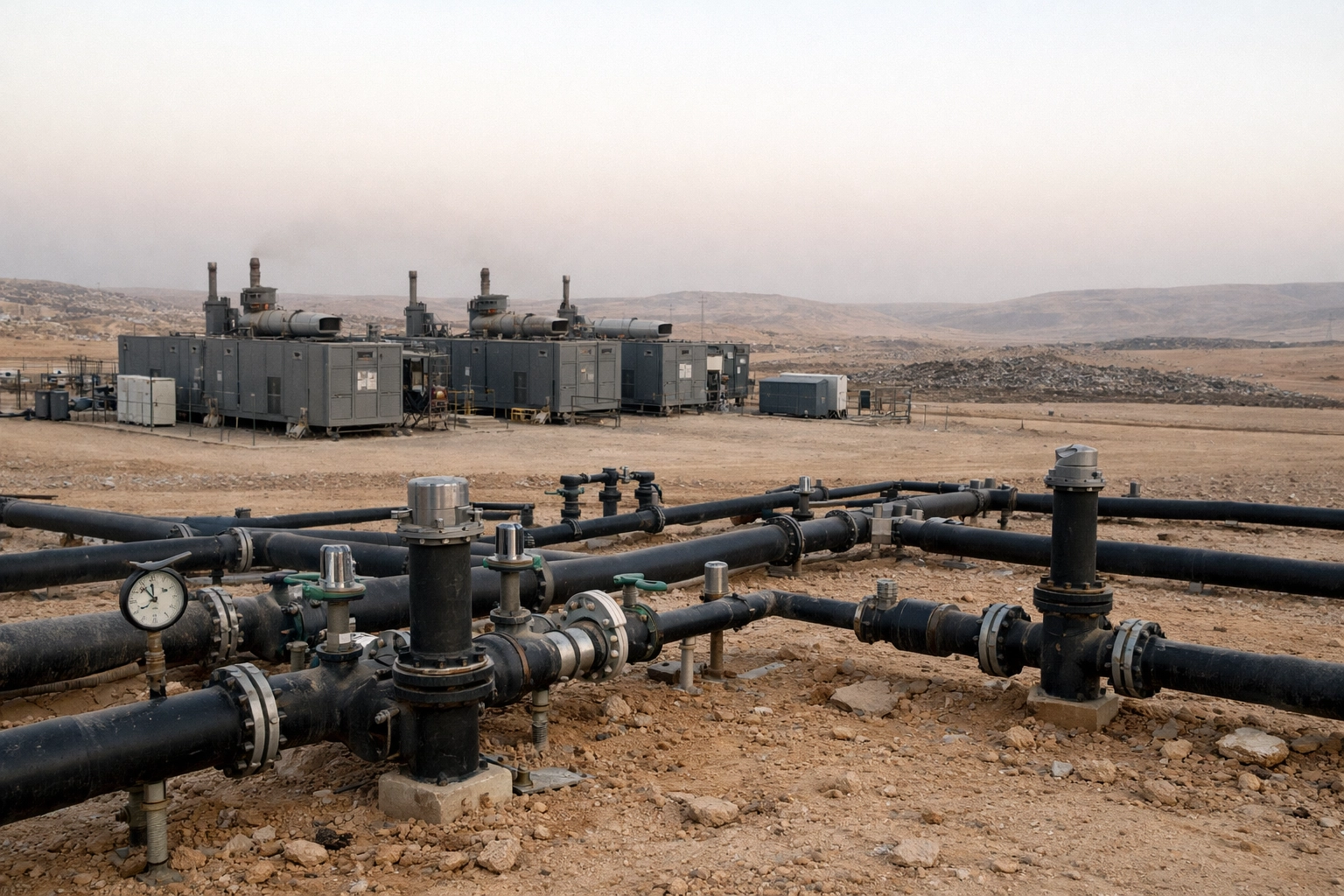
Photo: Greater Amman Municipality / EBRD
The scale of the operation is significant. The facility was originally developed with an investment of over $30 million, with the explicit goal of eliminating more than 212,000 metric tonnes of CO2 equivalent annually. As of early 2026, the project has entered a new phase of expansion, moving beyond the proof-of-concept stage into a pillar of national energy security.
Financing the Future City: The Role of International Capital
Modernizing a city’s "invisible" infrastructure: the pipes, the cables, and the waste cells: requires more than just political will. it requires a sophisticated alignment of international finance and local execution. The expansion of the Al-Ghabawi project has been fueled by a co-financing agreement involving the European Bank for Reconstruction and Development (EBRD), the European Union, and the Green Climate Fund.
This $8 million investment specifically targets the upgrading of "Cell 5" at the landfill. This cell, which reached its capacity in late 2023 after absorbing nearly 7 million tonnes of solid waste, is now being capped and integrated into the broader gas utilization system.
The strategy here is precise:
- Capping and Capture: Sealing the cell to prevent methane leakage.
- Grid Connection: Linking the captured gas to the landfill’s power generation units.
- Leachate Management: Implementing advanced systems to treat liquid runoff, protecting the local groundwater and ensuring the site meets international environmental standards.
At bcdW Magazine, we view these developments as more than isolated infrastructure news. They are part of a broader "bridge" between the evolving needs of Asian urban centers and the technical expertise often exported from the Americas. In cities like Vancouver or São Paulo, waste-to-energy is a mature industry; in Amman, it is the new frontier of urban management.
The Strategic Value of Privatization and Consulting
A key component of this modernization is the privatization of management processes. By bringing in private operators and specialized consultants, the Greater Amman Municipality is leveraging a "global mobility consulting" framework: not just in terms of how people move, but how expertise and capital circulate through the city’s ecosystem.
When a city engages in global mobility consulting, it is essentially designing its own agenda for growth. It is acknowledging that the expertise required to manage a high-tech landfill gas facility may not reside entirely within the traditional civil service. By creating a space for private sector participation, Amman is fostering a more resilient urban framework that can adapt to technological shifts faster than a purely public model might allow.
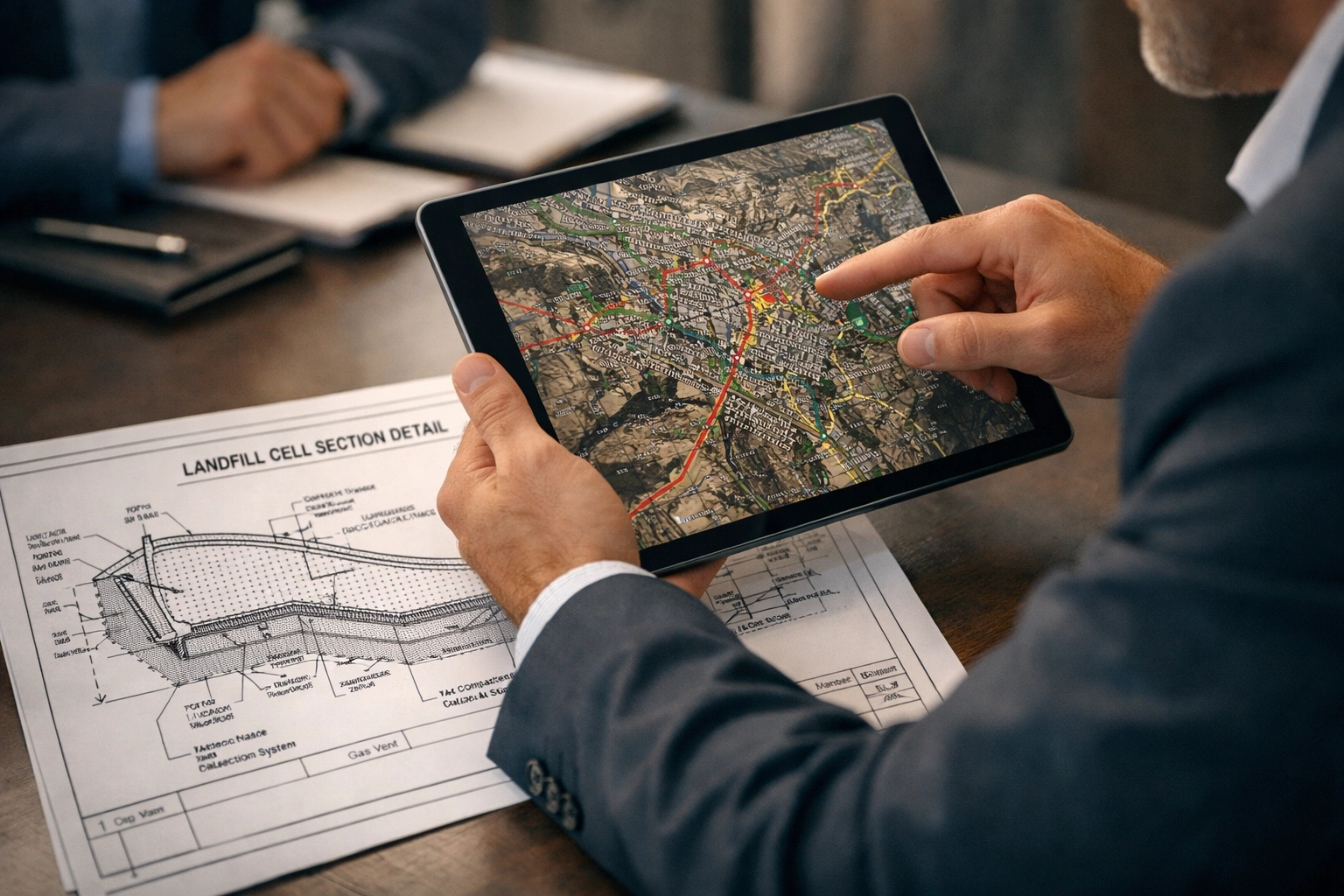
Photo: Jordan Ministry of Energy / European Union Project Archive
This move toward privatization is a deliberate choice. It allows the city to offload the operational risks of complex energy production while retaining the civic benefits of a cleaner, more efficient waste system. It is a model we often see discussed in our Concept Case Studies, where the intersection of public policy and private execution creates a new kind of value for the citizen.
Jordan’s 2026-2029 Economic Modernisation Vision
The Al-Ghabawi project does not exist in a vacuum. It is a central component of Jordan’s "2026-2029 Economic Modernisation Vision." This national roadmap is designed to pivot the country toward a green economy, with targets that include 300 MW of new solar and wind capacity, large-scale battery energy storage systems, and the nascent development of a green hydrogen sector.
Amman’s success with waste-to-energy serves as a "signal" to the rest of the region. It proves that sustainability is not a luxury reserved for the wealthiest global capitals, but a practical necessity for any city looking to secure its future. The 150,000 tonnes of CO2 reduction expected from the Cell 5 upgrade alone is a testament to what can be achieved when local problems are viewed through a global, systemic lens.
As we have explored in our Archive, the most consequential business relationships of the next decade are being forged between cities that share these design challenges. Amman’s move toward methane capture is a dot that connects it to cities across both the Americas and Asia that are struggling with the same "human mobility" and "civic infrastructure" questions.
The bcdW Perspective: Cities as the Unit of Change
At bcdW, we maintain that "the country sets the rules, but the city makes the deals." Amman’s Al-Ghabawi project is a deal: a deal between the municipality, international lenders, and the environment. It is a clinical yet deeply necessary solution to the problem of urban waste.
The question for investors and strategists moving between the Americas and Asia is no longer if these technologies will be adopted, but how quickly they can be integrated into the existing urban fabric. Amman is providing the case study. By turning a landfill into a power plant, they are redefining what it means to be a modern city in the 21st century.
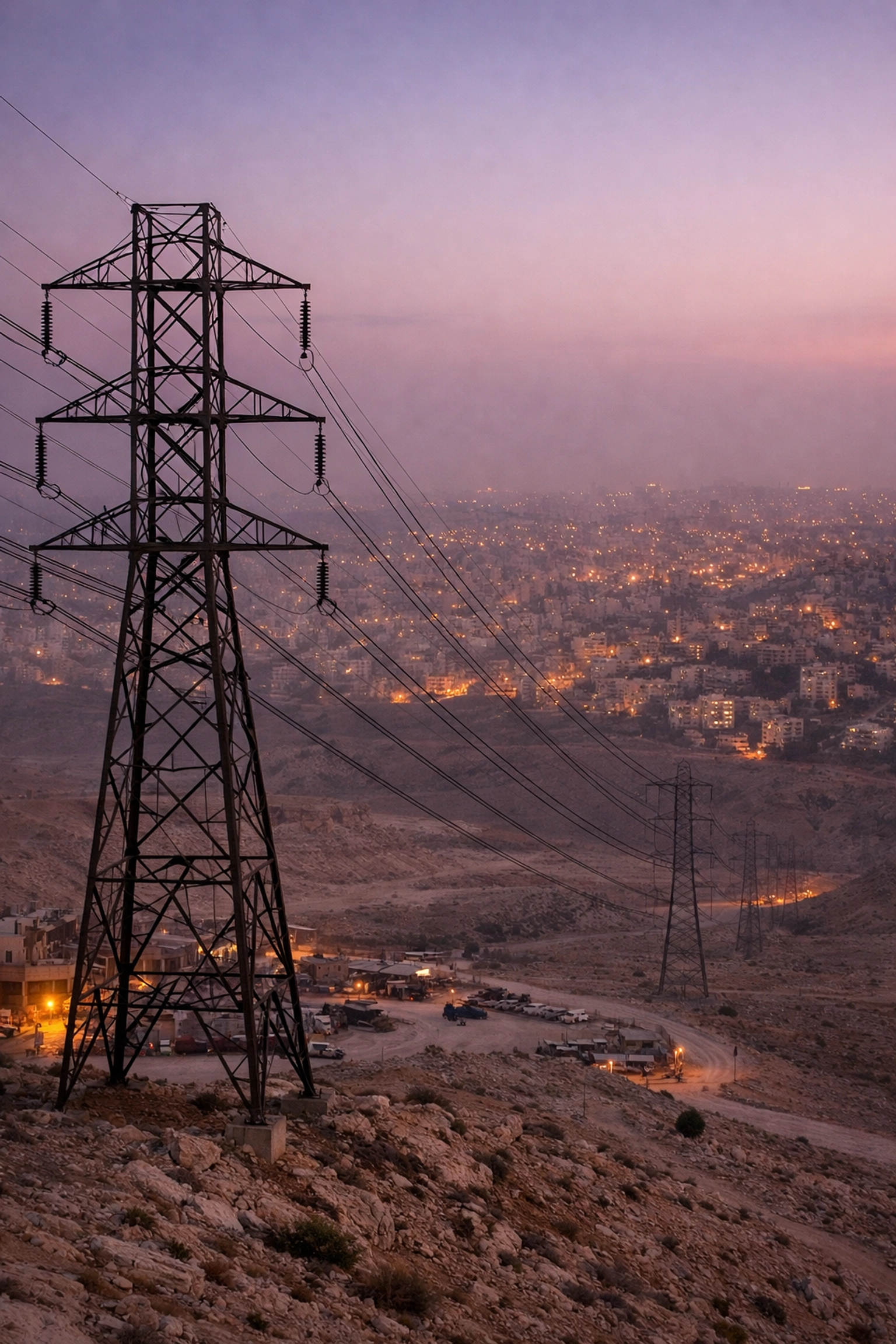
Photo: Green Climate Fund / Al-Ghabawi Facility Tour
The transition of Al-Ghabawi from a site of disposal to a site of production is the ultimate "dot-connecting" event. It links the environmental necessity of the Green Climate Fund with the local energy needs of Jordanian households. It shows that the most effective solutions are often those that sit at the convergence of disparate worlds: the world of international finance and the world of municipal waste management.
As Amman continues to modernize, the lessons learned at Al-Ghabawi will likely ripple outward, influencing urban management strategies from Bogotá to Bangkok. The bridge has been built; now, the energy is flowing across it.
Categories: News, Asia
Tags: Amman, Energy, Sustainability, Urban Management
Target Keywords: global mobility consulting
Excerpt: Amman is transforming its Al-Ghabawi Landfill into a primary energy source, capturing methane gas to generate 45% of the city’s electricity. Supported by international finance and privatization, this project sets a new standard for urban infrastructure modernization in the Middle East.
Source: European Bank for Reconstruction and Development (EBRD) (https://www.ebrd.com/news/2025/ebrd-eu-and-gcf-support-waste-management-in-amman.html)