Barcelona’s Fira Gran Via has always been a theater of the future, but at MWC 2026, the narrative has shifted from generic globalism to specific urban excellence. The debut of the "Seoul Pavilion" represents more than just a geographic branding exercise; it is a clinical projection of South Korea’s capital as the primary laboratory for the next iteration of the human-centric city.
Led by the Seoul Business Agency (SBA), the pavilion serves as a strategic catalyst for 20 select startups specializing in Artificial Intelligence (AI), Extended Reality (XR), and robotics. These aren't just companies; they are the architectural components of a new civic infrastructure. While the broader tech world remains fixated on large language models in the abstract, the Seoul contingent is here to demonstrate how those models breathe life into the physical world.
The Urban Laboratory: Why Seoul, Why Now?
The presence of the Seoul Pavilion at MWC 2026 is not an isolated event. It is the culmination of a multi-year strategy to position the city as the world’s most advanced testbed for deep-tech integration. For the observers at bcdW Magazine, the signal is clear: the most consequential innovations are no longer emerging from isolated R&D labs, but from cities that have the regulatory appetite and the technical density to deploy them at scale.
The 20 startups featured are the vanguard of this movement. They represent a shift from "platform" thinking to "spatial" thinking. In the Seoul Pavilion, AI is not a chatbot; it is a vision system for a robotic delivery fleet. XR is not a gaming headset; it is a digital twin interface for urban planners managing the complexities of a mega-city.
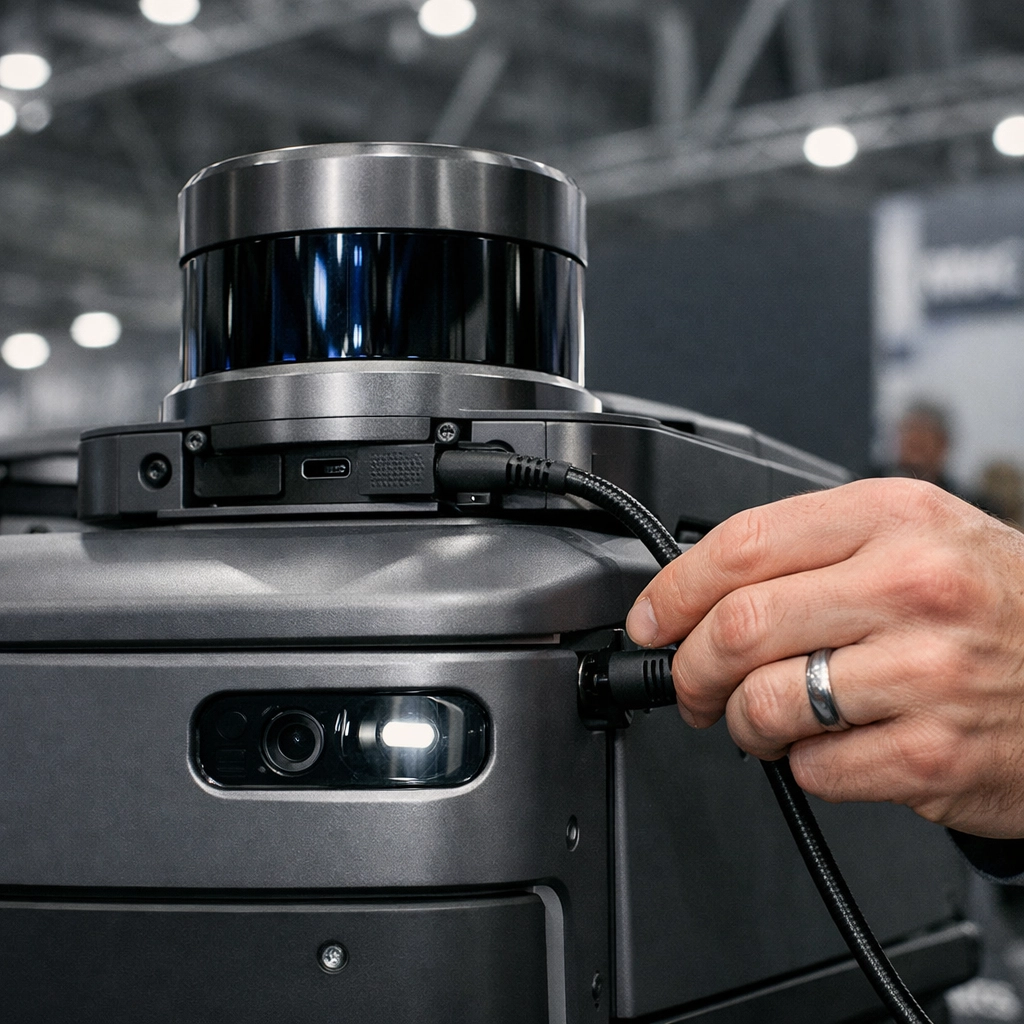
Photo: Seoul Business Agency (SBA) / MWC 2026
The Three Pillars: AI, XR, and Robotics
The Seoul Pavilion is organized around three critical sectors that bcdW identifies as the "connective tissue" of the 21st-century economy.
1. Applied AI and Spatial Intelligence
Among the exhibitors, the focus remains on the transition from inference to action. Companies like Broz are showcasing 3D space auto-generation, moving toward a world where the physical environment is mapped and interpreted in real-time. This is not just about mapping; it is about the "read-write" capability of the future city. When an AI can understand the geometry of a room as easily as a human, the friction between the digital and physical disappears.
2. The XR Convergence
Extended Reality at the Seoul Pavilion has matured past the "hype cycle" of the early 2020s. The focus now is on industrial and civic utility. Startups are demonstrating how XR can be used for remote medical collaboration and high-precision manufacturing. For a business operating across the Americas and Asia, this technology is the ultimate bridge, allowing a specialist in Bogotá to consult on a technical failure in Seoul as if they were standing on the same factory floor.
3. Robotics and the Mobility Shift
Robotics at MWC 2026 is less about humanoid novelties and more about autonomous logistics. Seoul’s startups are presenting solutions for the "last mile" problem: the most expensive and complex part of the global supply chain. By automating this segment within the dense urban framework of Seoul, these companies are creating blueprints that can be exported to other hyper-urbanized regions, from Mexico City to Jakarta.
The Telecom Titans: SKT and KT’s Narrative Play
While the SBA-led Seoul Pavilion focuses on the startup ecosystem, the Korean telecom giants are providing the macro-context. SK Telecom (SKT) and KT have occupied massive footprints, but their approach is surprisingly narrative-driven.
SK Telecom’s presence at the 4YFN (Four Years From Now) startup event: a core component of MWC: features 15 AI and ESG-focused startups. Their theme, "SKTCH Today, Change Tomorrow," emphasizes the role of the carrier as an orchestrator of innovation. Solutions from MesaCure (facial recognition) and Energi.ai (AI inference optimization) highlight a critical bcdW insight: the infrastructure providers are no longer just "dumb pipes." They are the intelligence layer that allows startups to scale.
KT, on the other hand, has taken a more symbolic approach. By recreating Gwanghwamun Square: the historic and cultural heart of Seoul: within its pavilion, KT is framing tech innovation as an extension of national identity. It is a reminder that tech does not exist in a vacuum; it is shaped by the culture and the city that births it.
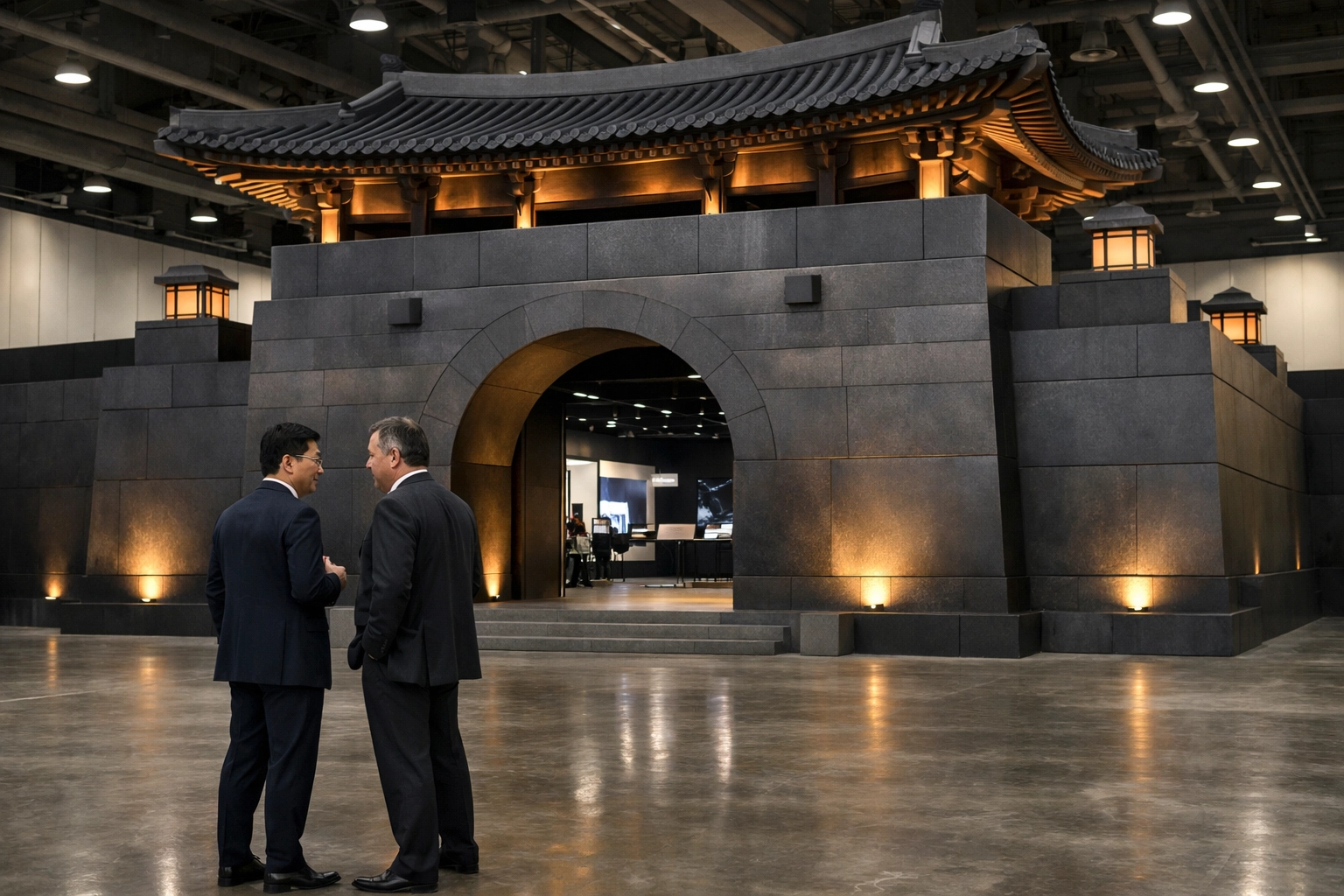
Photo: KT Corporation / MWC 2026
The Global Mobility Gap: Connecting the Dots
For the founders and investors navigating the space between the Americas and Asia, the Seoul Pavilion presents a paradox. The technology is ready, but the human infrastructure often lags. This is where the concept of global mobility consulting becomes essential.
As these 20 Seoul-based startups look toward international expansion, they face the structural barriers that bcdW’s Global Human Mobility Program is designed to solve. A robotics company from Seoul can easily ship its hardware to a client in São Paulo, but moving the talent required to maintain that hardware: navigating visas, work authorizations, and local regulations: is where the "dot-connecting" often breaks down.
The debut at MWC 2026 is the "what." The "how" of global expansion requires a different set of tools. At bcdW, we see these startups not just as technical entities, but as mobile units of talent that need to flow fluidly between continents. The city of Seoul has set the stage; now the global market must provide the pathways.
The City-to-City Lens: Seoul and the Americas
At bcdW, we believe the country sets the rules, but the city makes the deals. The Seoul Pavilion is a direct invitation for cities like Mexico City, Medellín, and San Francisco to engage in a new kind of urban diplomacy.
The solutions being showcased for aging populations, energy efficiency, and urban logistics are universal problems with local solutions. When a startup in the Seoul Pavilion solves for the energy optimization of a high-rise in Gangnam, that logic is immediately applicable to the financial district of Toronto or the tech hubs of Santiago.
We encourage our readers to look beyond the "South Korea" tag and see the "Seoul" tag. The city is the unit of innovation. By focusing on the City category, bcdW highlights these specific urban dynamics that generic business news often misses.
Conclusion: The Signal in the Noise
MWC 2026 will be remembered for many things: the arrival of 6G standards, the ubiquitous integration of generative AI into every consumer device, and the blurring of the line between mobility and computing. But for those watching the deeper shifts in global power, the Seoul Pavilion is the real signal.
It is an assertion that Seoul is no longer just a participant in the global tech conversation; it is the host. The 20 startups currently occupying the Fira Gran Via are the advance guard of a wave of innovation that will redefine the "urban framework" of the next decade.
The question for the global strategist is not whether these technologies will arrive, but who will be the first to bridge the gap between Seoul’s innovation and their own local markets. The dots are visible. The connections are waiting to be made.
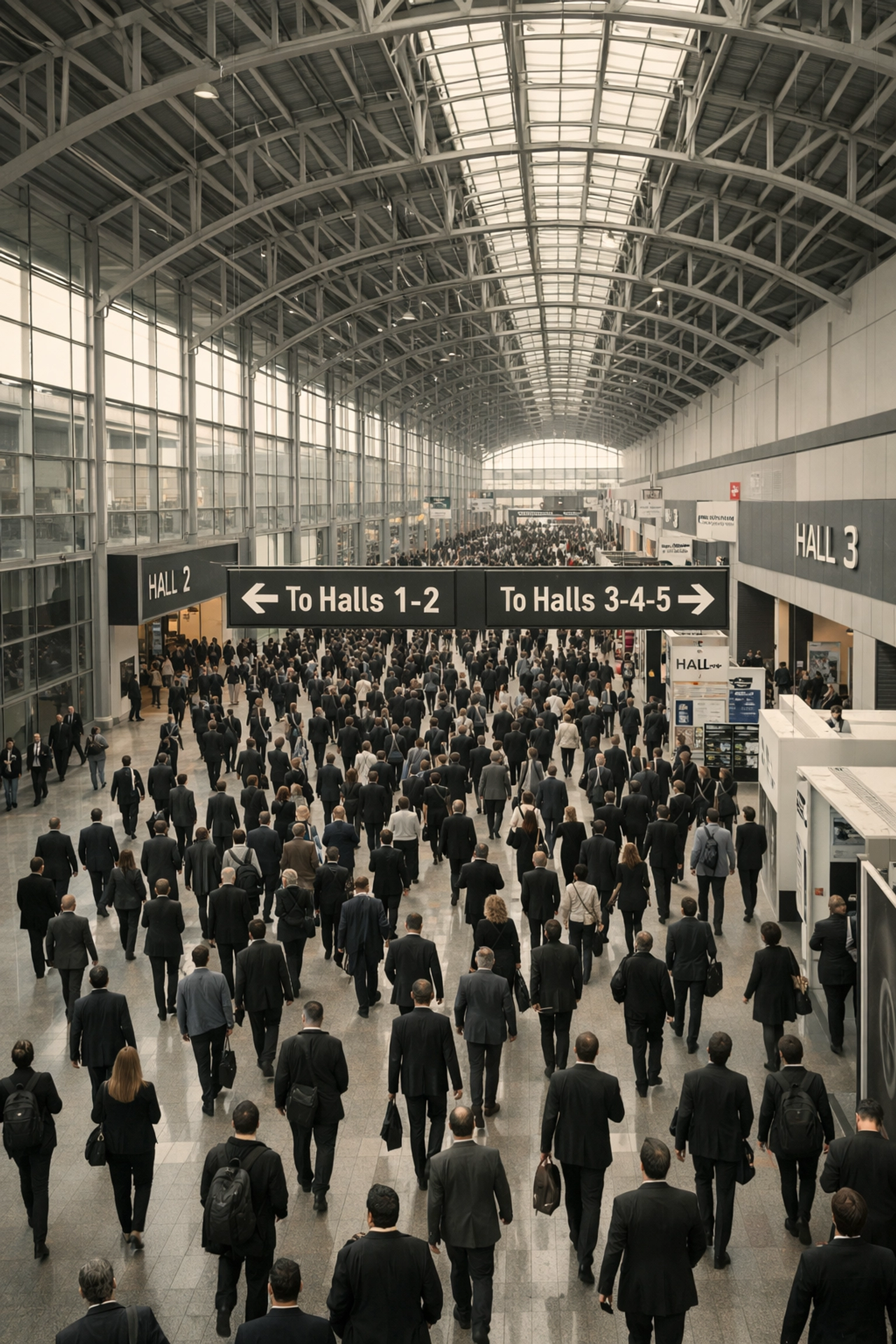
Photo: MWC Barcelona 2026 / GSMA
For those looking to explore the deeper history of these connections, we invite you to browse the bcdW Archive or learn more about our perspective on the About page. The dialogue between the Americas and Asia is just beginning.
Summary: Seoul’s strategic debut at MWC 2026 with a dedicated Tech Innovation Pavilion highlights 20 startups in AI, XR, and robotics, signaling the city's role as a global testbed for deep-tech. This move reinforces the importance of city-to-city connections and the need for global mobility consulting to bridge the talent and execution gaps between Asian innovation hubs and the Americas.
Excerpt: Seoul takes center stage at MWC 2026 with a high-impact debut of its Tech Innovation Pavilion. Featuring 20 elite startups in AI, XR, and robotics, the pavilion showcases the city’s vision for the future of urban infrastructure and the strategic necessity of cross-continental mobility.
Source: Seoul Business Agency (https://www.sba.seoul.kr/en/index)