Excerpt: LG Uplus is redefining South Korea’s AI landscape with a massive 200MW data center in Paju. Housing 120,000 GPUs, this "ONE LG" initiative secures the infrastructure needed for the K-EXAONE model and solidifies Seoul’s standing as a premier global AI hub.
The race for artificial intelligence supremacy is no longer just a software battle; it is an industrial siege defined by floor space, power grids, and thermal management. In the heart of the Seoul metropolitan area, the landscape of Paju is shifting. LG Uplus has announced the development of the Paju AI Data Center (AIDC), a facility designed to house 120,000 GPUs and deliver a staggering 200 megawatts of power.
This is not just another storage facility. It is a strategic catalyst for the Korean digital economy. By centralizing this level of compute power, LG is providing the physical foundation for its K-EXAONE AI model, ensuring that the next generation of Korean large language models (LLMs) has the "sovereign" infrastructure it needs to compete on a global stage.
The Industrial Scale of 120,000 GPUs
To understand the scale of the Paju AIDC, one must look past the architectural renderings and into the rack density. Modern AI workloads: the kind that power deep learning and real-time generative models: require an intensity of compute that traditional data centers simply weren't built to handle. A single NVIDIA H100 GPU consumes more power than a standard household. Multiplied by 120,000, the energy requirements and heat output transform a data center from a "building" into a "heavy industrial plant."
The Paju facility aims to solve the compute bottleneck that many startups and enterprise players face in the region. By providing a massive pool of GPU resources, LG Uplus is effectively democratizing access to high-tier AI training capabilities. This infrastructure allows Seoul to maintain its position as a city where innovation isn't just imagined, but physically executed.
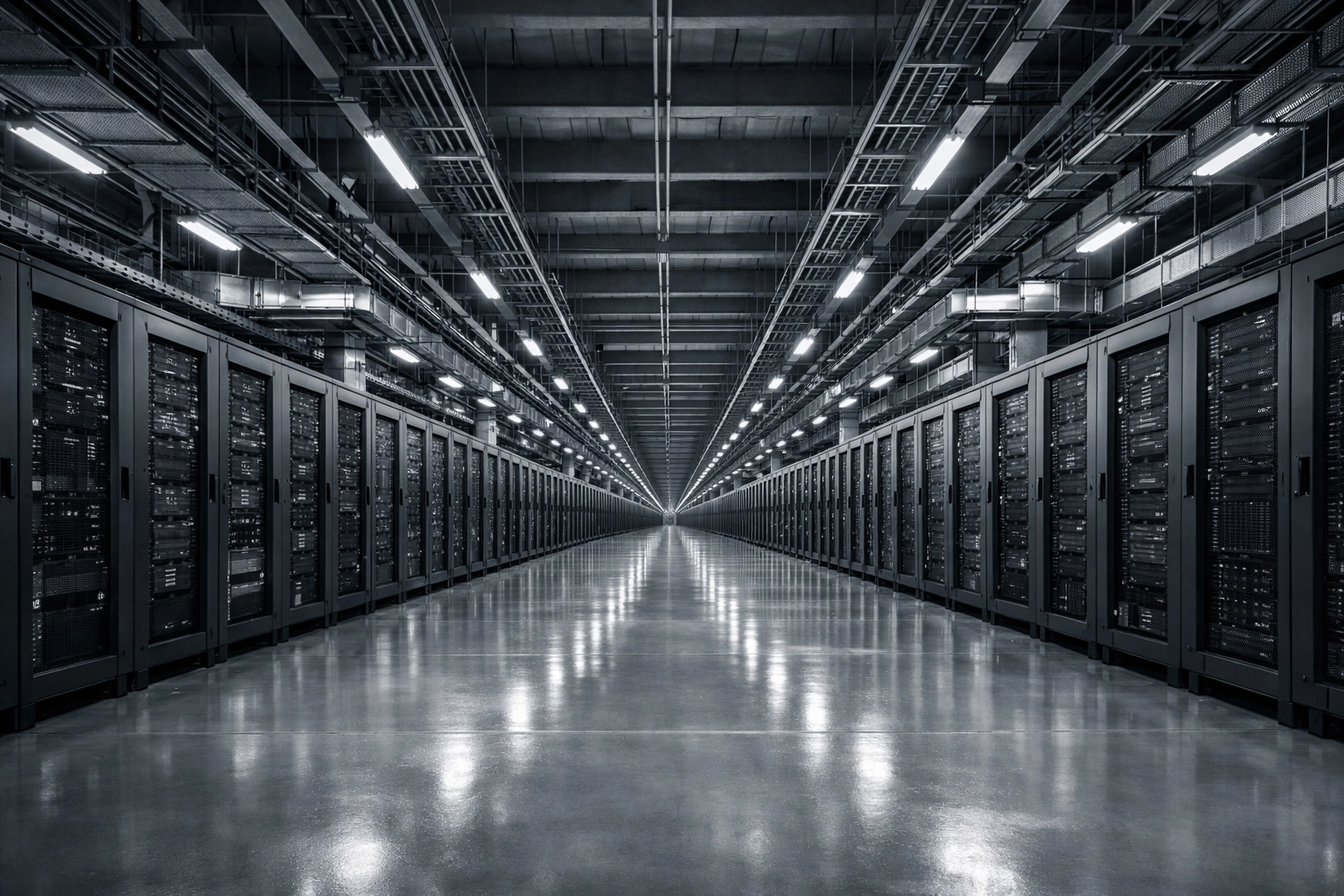
Photo: LG Uplus Corporate Media
The "ONE LG" Strategy: Vertical Integration as a Moat
What makes the Paju project distinctive is not just the count of its graphics processors, but the synergy of its construction. LG is employing what it calls the "ONE LG" strategy. This isn't a marketing slogan; it is a structural methodology that utilizes the specialized strengths of the entire LG conglomerate to build a superior asset.
LG Electronics provides the precision cooling and mechanical systems. LG Energy Solution provides the high-density power storage. LG Uplus manages the network and operational intelligence. By keeping the supply chain internal, LG avoids the logistical friction that plagues other global data center developers. This vertical integration allows for a specialized design where every battery and every cooling pipe is optimized for the specific demands of AI workloads.
At bcdW, we often talk about connecting the dots, and the Paju AIDC is a masterclass in internal connectivity. It reflects a shift in how major Asian conglomerates are positioning themselves: not just as manufacturers, but as full-stack infrastructure providers for the future of intelligence.
Thermodynamics as Table Stakes: The Cooling Challenge
In the world of AI, heat is the enemy of uptime. Traditional air cooling: blowing cold air over chips: is reaching its physical limit. As chips get hotter and racks get denser, the air simply cannot move heat away fast enough. LG’s solution in Paju is a pivot toward liquid.
The facility will implement Direct-to-Chip (D2C) liquid cooling. This involves attaching cold plates directly to the GPU surfaces, circulating coolant to pull heat away at the source. Research indicates this improves energy efficiency by approximately 24% compared to legacy air-cooled systems. Furthermore, the facility will utilize a "free cooling chiller" system, leveraging Paju’s cold winter air to reduce the energy needed for coolant production to just 10% of traditional levels.
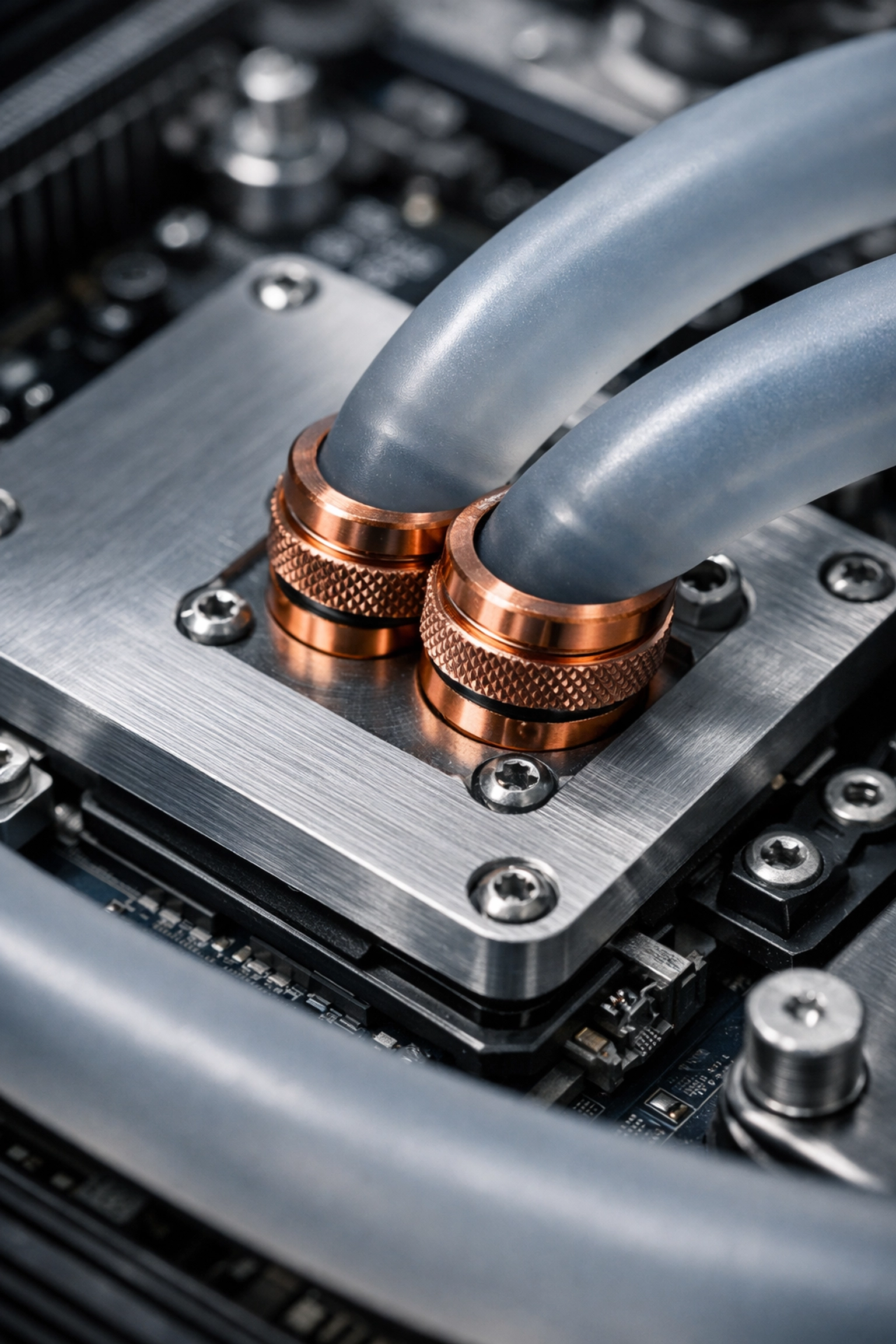
Photo: LG Electronics Technical Documentation
For those following Korea's AI strategy, these technical nuances matter. Efficiency translates directly to lower operational costs for the companies training their models inside the facility. It is the difference between an AI model being economically viable or a financial drain.
Energy Resilience and Sovereign AI
If compute is the engine of AI, then stable electricity is the fuel. The Paju AIDC is designed to be a "fortress of power." LG Energy Solution is deploying a sophisticated uninterruptible power supply (UPS) system that uses multi-layered safety designs. These aren't just backups; they are intelligent buffers against voltage fluctuations and thermal runaway risks.
The goal is 99.99% infrastructure uptime. In a world where a five-minute power glitch can interrupt an AI training run that has been going for three weeks: costing millions of dollars: this level of reliability is the primary product.
This focus on localized, high-tier infrastructure is a key component of "Sovereign AI." As nations realize that their data and their intelligence models are national security assets, they are moving away from relying on generic, off-shore cloud providers. They want their data centers in their backyard, powered by their tech. Paju is South Korea’s answer to this global shift.
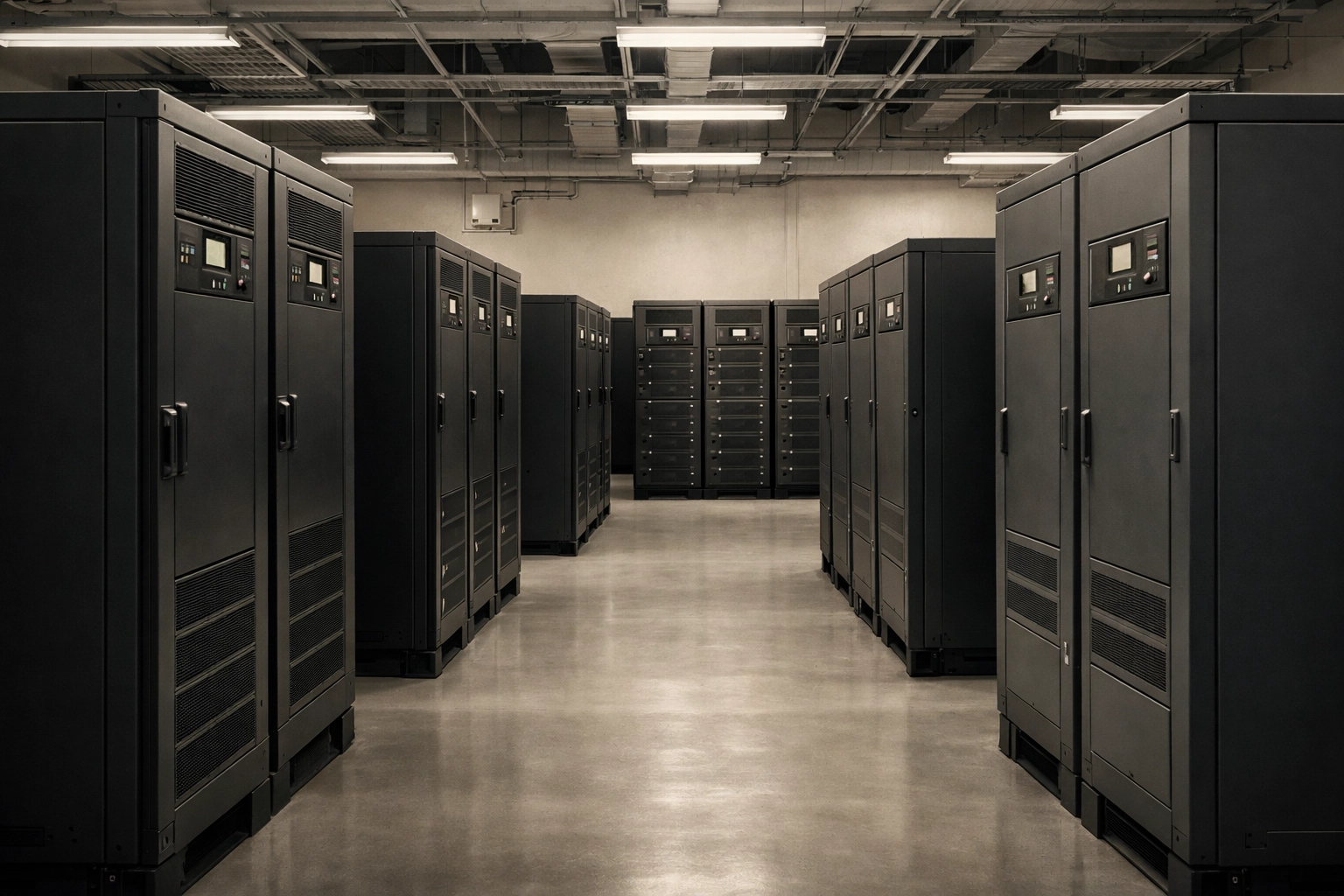
Photo: LG Energy Solution / Sustainability Report 2026
Paju: The Strategic Extension of Seoul’s Tech Corridor
Why Paju? Historically known as a manufacturing and logistics hub, Paju is undergoing a transformation into a high-tech satellite of Seoul. Its location provides the perfect balance of land availability and proximity to the high-bandwidth fiber backbones that feed the capital.
The development of the AIDC turns Paju into a strategic anchor point. As Seoul becomes increasingly crowded, the growth of the AI industry must expand outward. This "hub and spoke" model of urban development ensures that the talent concentrated in Seoul can access the industrial-scale compute power located just an hour away. It is a blueprint for future cities that prioritize digital infrastructure as much as public transport.
Beyond the Building: The Sovereign AI Appliance
LG Uplus isn't stopping at the physical building. Alongside the Paju announcement, the company introduced the "Sovereign AI Appliance." This is a hardware-and-software-in-a-box solution that allows enterprises to integrate AI into their operations immediately.
Instead of building their own server rooms or dealing with complex cloud configurations, companies can simply "plug in" to the power and network of the LG ecosystem. It is a move that lowers the barrier to entry for AI adoption across the Americas and Asia, reflecting a broader trend of commoditizing complexity.
For readers interested in how these types of initiatives scale, our Concept & Case Studies section explores similar cross-continental infrastructure projects.
The Question of Momentum
The Paju AI Data Center is scheduled for completion in 2027. Between now and then, the demand for GPU hours is expected to quintuple. The question isn't whether LG can fill the 120,000 slots; the question is how quickly they can replicate this model elsewhere.
Seoul has made its move. By anchoring the K-EXAONE model to a massive, energy-efficient, and internally-sourced physical plant, LG is ensuring that Korea’s AI future is not just a digital dream, but a physical reality. The dots between energy, hardware, and software have been connected. Now, we watch the results of that convergence.
Is this the new standard for city-level infrastructure? When the core of a city's economy moves from physical goods to digital intelligence, the data center becomes the most important building in the skyline: even if it's located 30 kilometers away in Paju.
Category: News, Asia
Tags: Seoul, AI
Source: LG Uplus (https://www.lguplus.com/about/en/news-center)